Quick Answer
If you regularly swim in cool water or spend time outdoors after a dip, an extra-warm poncho will keep you warmer thanks to its thick cotton terry construction. Choose a regular poncho when you prioritize lightweight packability and warm-weather comfort.
Why Thickness Matters for Warmth
The main difference between an extra-warm poncho and a regular one is fabric weight. Extra-warm ponchos are crafted from heavyweight terry, which traps more air and provides a cozy barrier against cool air. This is especially helpful after surf sessions, lake swims, or cool evening dips when your body temperature drops quickly.
Regular ponchos typically use lighter, quick-dry materials that are easier to pack and better suited for warm climates. They still offer coverage and absorbency but won't retain as much heat. If you're deciding based on warmth alone, the extra-warm option is the clear winner for cold conditions.
Trade-Off: Warmth vs. Portability
Extra-warm ponchos are bulkier and heavier than regular ones, which can affect how you pack for a beach day or a trip. If you're carrying your poncho in a tote or backpack, the extra weight might be a concern. However, many extra-warm ponchos feature an oversized kangaroo pocket with a hidden internal changing pocket, adding convenience that can offset the bulk.
Regular ponchos are easier to fold and stow, making them ideal for travel or spontaneous swims. But they may leave you shivering on a windy beach. Consider your typical environment: if you're often in cool or unpredictable weather, the warmth of an extra-warm poncho is worth the extra space.
Absorbency and Comfort
Heavyweight terry in extra-warm ponchos not only insulates but also absorbs moisture effectively, helping you dry off faster. This dual function is crucial after a cold swim when you want to warm up and dry off simultaneously.
Regular ponchos, often made from quick-dry fabrics, may not offer the same level of absorbency. They excel in warm weather where you want to shed water without feeling heavy. Think about whether you prioritize rapid drying or long-lasting warmth.
How to Choose: Extra-Warm vs. Regular
- Water temperature: If you swim in cool water (below 70°F) or air temperatures are mild, choose an extra-warm poncho. For warm water and hot climates, a regular poncho will suffice. Check the water temperature before you head out to decide which poncho to grab.
- Activity duration: For long outdoor sessions where you'll be in and out of the water, extra-warm ponchos provide sustained comfort. For quick dips and immediate changes, a regular poncho is more convenient. Plan your day to match the poncho's warmth to your expected time outdoors.
- Packing constraints: If you're traveling light or carrying minimal gear, a regular poncho packs smaller and weighs less. If you have space, the extra-warm poncho's warmth is worth the bulk. Weigh the poncho in your hands before buying to feel the difference.
Product Facts
-
Sunny Extra-Warm Poncho - Sky Blue: Crafted from thick cotton terry, this absorbent towel poncho helps you dry quickly while staying warm after long days in the sun. The thick terry construction makes it an excellent choice for cold beach days when you need both warmth and absorbency.
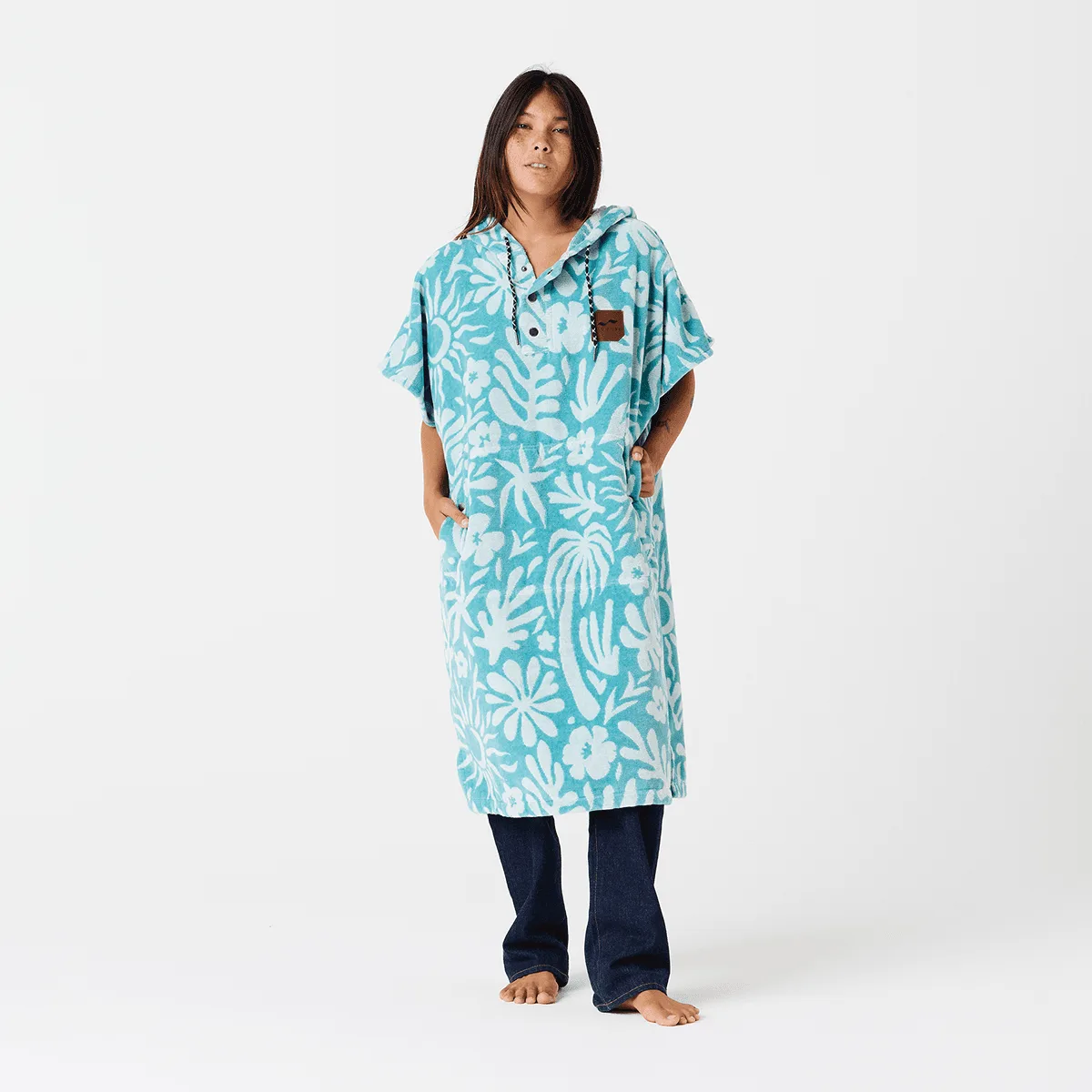
Sunny Extra-Warm Poncho - Sky Blue
-
Sunny Extra-Warm Poncho - Toast: Made from heavyweight terry, it delivers dependable absorbency and cozy warmth after surf sessions, lake swims, or cool evening dips. This extra-warm poncho is ideal for water sports enthusiasts who want to stay comfortable in cooler conditions.
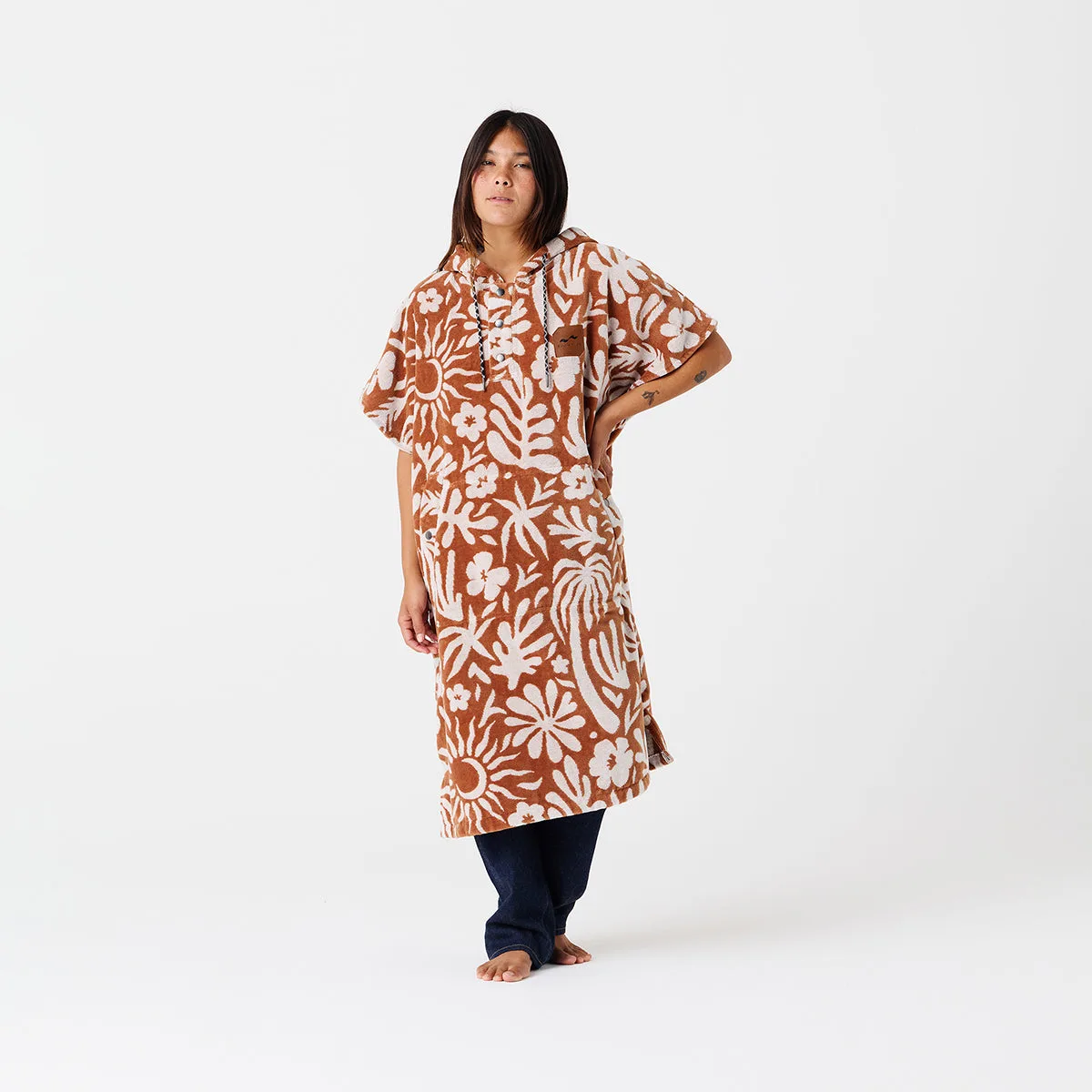
Sunny Extra-Warm Poncho - Toast
Which Should You Choose?
Best for
- Cold-water swimmers and surfers who need warmth after exiting the water.
- Beachgoers in cool or windy climates who want a cozy layer for extended outdoor time.
Not for
- Hot summer days when you only need light coverage and quick drying.
- Travelers who prioritize minimal packing weight and space.