Quick Answer
Choose extrait de parfum if you want maximum longevity, a richer scent trail, and don't mind a higher price per ml. Choose eau de parfum if you prefer a lighter, more versatile wear that's easier to reapply and often more affordable. Test both on your skin before committing—your chemistry can change how each performs.
When you're shopping for a new fragrance, the concentration label—extrait de parfum or eau de parfum—tells you more than just the strength. It influences how long the scent lasts, how far it projects, and how you'll experience it throughout the day. But the 'better' choice isn't always the strongest one; it depends on your habits, your skin, and the occasions you're dressing for.
This guide breaks down the practical differences between extrait de parfum and eau de parfum, with concrete decision rules and honest trade-offs. We'll also look at how Maison Francis Kurkdjian's offerings fit into the picture, so you can make a choice you'll feel good about.
What the Concentration Labels Really Mean
Perfume concentration refers to the percentage of fragrance oils dissolved in alcohol and water. Extrait de parfum (also called parfum) typically contains 20–30% fragrance oil, while eau de parfum usually sits around 15–20%. That difference might sound small, but it changes how the scent behaves on your skin.
Higher oil content means the fragrance evaporates more slowly, so extrait tends to last longer and project less aggressively at first, then settle into a closer, more intimate scent. Eau de parfum, with less oil, often feels brighter and more immediate, with a more moderate sillage that's easier to wear in close settings like an office.
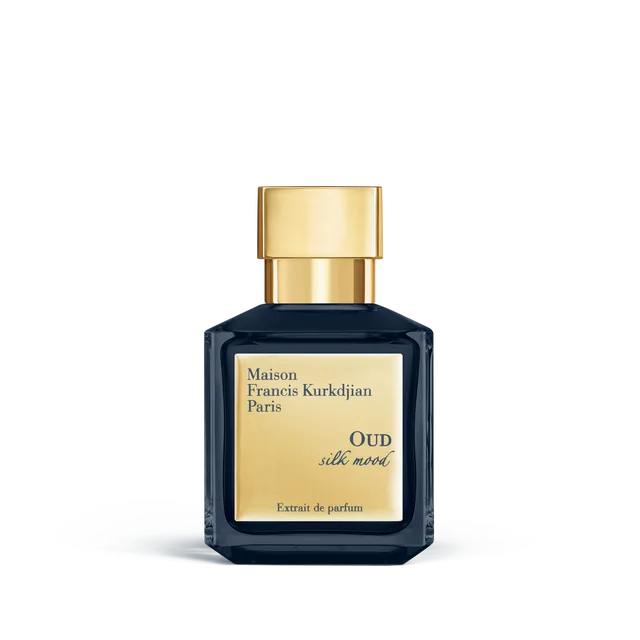
Maison Francis Kurkdjian offers both forms across its collections. For example, the 724 Eau de parfum is a fresh, luminous scent designed for city life, while the house's extrait versions of iconic fragrances like Baccarat Rouge 540 deliver a deeper, more intense experience. Knowing which concentration matches your daily routine is the first step.
- Check the fragrance oil percentage on the box if available—it's the most reliable indicator of strength.
- Remember that 'extrait' and 'parfum' are often used interchangeably, but both mean a higher concentration than eau de parfum.
Longevity and Sillage: What to Expect
Longevity is how long a scent lasts on your skin; sillage is the trail it leaves behind. Extrait de parfum generally wins on both counts, which is why it's often the go-to for evening events or long days when you can't reapply. But that intensity can be a double-edged sword—if you're sensitive to strong scents, an extrait might feel overwhelming.
Eau de parfum offers a more balanced wear. It lasts several hours on most skin types, and its projection is noticeable but not overpowering. That makes it a safer choice for work, daytime outings, or days when you want to switch fragrances later. The trade-off is that you may need to reapply if you're out for more than six to eight hours.
Your skin type also matters. Oily skin holds fragrance longer, so an eau de parfum might perform like an extrait on you. Dry skin tends to absorb scent faster, so an extrait could be the better bet. Testing on your own skin is the only way to know for sure.
- For a full day without reapplication, extrait is usually the safer bet.
- If you like to change scents midday, eau de parfum gives you more flexibility.
Price and Value: What You're Paying For
Higher concentration means more fragrance oil, which drives up the cost per milliliter. Extrait de parfum is typically the most expensive option in a house's lineup, and it's often sold in smaller bottles. That's not a bad thing—if you only need a few sprays, a small extrait can last you a long time.
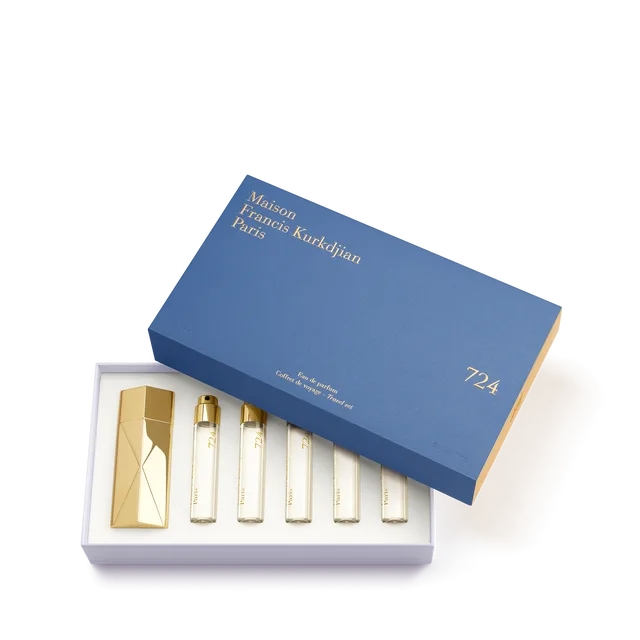
Eau de parfum, on the other hand, is usually more affordable per ml and comes in a wider range of sizes, from travel sprays to large bottles. That makes it easier to experiment with new scents without a big commitment. For example, the 724 Travel Set includes five 11ml refills, which is a cost-effective way to enjoy an eau de parfum on the go.
When comparing value, think about how often you'll wear the fragrance and whether you mind reapplying. A pricier extrait might be worth it if you wear it daily and want it to last from morning to night. A budget-friendly eau de parfum could be the smarter pick if you like variety or only wear fragrance occasionally.
- Calculate cost per wear, not just cost per ml, to see the real value.
- Travel sets and refillable formats can make eau de parfum more economical.
How to Test Before You Commit
The only reliable way to choose between extrait and eau de parfum is to try both on your skin. Spray one on each wrist, wait at least 15 minutes, and see how they evolve. The opening notes fade quickly; what matters is the dry-down, which is what you'll smell for hours.
Don't test more than two or three fragrances at once, or your nose will get confused. Use unscented lotion on your arms beforehand to keep your skin hydrated, which helps the scent last. And always test at home, not in the store, where other scents can interfere.
If you're shopping online, look for discovery sets or travel sizes to sample before buying a full bottle. The 724 Travel Set is a good example—it lets you try an eau de parfum in a portable format without committing to a large bottle. That's a low-risk way to see if a scent works for you.
- Test on clean, moisturized skin for the most accurate result.
- Wait for the dry-down—the first 15 minutes are not representative.
Your Decision Rules for Choosing Concentration
- Rule 1: Match concentration to your day: If you're out for 8+ hours and can't reapply, choose extrait. If you can refresh midday or prefer a lighter feel, eau de parfum works. Think about your daily schedule before looking at bottles.
- Rule 2: Consider your skin chemistry: Oily skin holds scent longer, so eau de parfum may be enough. Dry skin may need extrait to get similar longevity. Test on your own skin to see how each concentration performs.
- Rule 3: Budget for the long run: Extrait costs more per ml but may last longer per wear. Eau de parfum is often more affordable and easier to reapply. Calculate cost per wear, not just the price tag.
Maison Francis Kurkdjian Options to Consider
- 724 Travel Set - Eau de parfum 5x11ml: This travel set showcases the fresh and comfortably addictive signature scent of 724 Eau de parfum: 5 refills (11ml spray bottles) accompanied by a precious gold version of the Globe Trotter spray bottle allow you to elegantly take this fragrance with you. If you're leaning toward eau de parfum, this set gives you a travel-friendly way to carry your scent and reapply throughout the day, which is the main trade-off of choosing a lighter concentration.
- Grand Soir Globe Trotter and Eau de parfum Duo null: This set pairs the iconic Grand Soir fragrance with a travel-friendly Globe Trotter presentation, designed for those who appreciate refined scent on the go. Includes Grand Soir Eau de Parfum and a Globe Trotter travel format. For a warm, amber scent like Grand Soir, the eau de parfum concentration offers a balanced wear that's suitable for evening events without being as intense as an extrait—ideal if you want sophistication without overwhelming sillage.
Which Concentration Fits You?
Best for
- People who want a scent that lasts from morning to night without reapplication
- Those who prefer a stronger, more intimate scent trail and don't mind a higher price per ml
Not for
- If you're sensitive to strong scents or work in close quarters, extrait might be overwhelming
- If you like to change fragrances throughout the day or want a more affordable option, eau de parfum is the better choice
Choosing between extrait de parfum and eau de parfum isn't about which is 'better'—it's about which fits your lifestyle, skin, and budget. Use the decision rules above, test on your own skin, and you'll find the concentration that feels right. Whether you opt for the portability of a travel set or the depth of an extrait, the best fragrance is the one you'll actually enjoy wearing.