When a metal splinter lands in your eye, every second counts. An eye magnet is a specialized tool designed to safely remove ferrous metal fragments from the eye's surface. However, using one incorrectly can cause more harm than good. That's why understanding eye magnet safety is crucial for anyone who works with metal or keeps a trauma kit on hand.
In this guide, we'll walk you through essential precautions, best practices, and care tips to ensure you use an eye magnet safely and effectively. Whether you're a professional or a first responder, these guidelines will help you protect your vision and avoid complications.
Understanding Eye Magnets and Their Purpose
An eye magnet is a small, sterile, magnetic tool used to extract ferrous (iron-containing) metal particles from the eye. It's commonly found in industrial first aid kits, workshops, and medical settings. The magnet's tip is designed to gently attract and lift metal fragments without causing additional trauma to the delicate eye tissue.
While an eye magnet can be a lifesaver, it's not a substitute for professional medical care. It's intended for immediate, temporary removal of superficial particles. If a fragment is embedded deeper or if you're unsure, seek medical attention immediately. Always follow the manufacturer's instructions and local regulations.
- Use only for ferrous metals (iron, steel, etc.) – non-magnetic metals like aluminum or copper won't respond.
- Never attempt to remove a particle that is embedded in the cornea or has penetrated the eye.
- After removal, rinse the eye with sterile saline or clean water and seek medical evaluation.
Essential Eye Magnet Precautions
Before using an eye magnet, it's vital to take certain precautions to prevent injury. First, ensure the magnet is clean and sterile. Many eye magnets come in sterile packaging and are single-use or require sterilization between uses. Check the expiration date and inspect for any damage or contamination.
Second, never use an eye magnet on a conscious person without their cooperation. The person should be seated and calm, with their head tilted back slightly. If they're anxious or moving, it's safer to wait for professional help. Also, never use an eye magnet if there's any sign of a chemical burn, laceration, or foreign body that has penetrated the eye.
Third, always use a gentle approach. Do not push or poke the eye. Let the magnet attract the particle and then lift it away smoothly. If the particle doesn't come out easily, stop and seek medical assistance. Forcing it can cause corneal abrasions or embed the particle deeper.
- Wash your hands thoroughly before handling the magnet.
- Use a mirror or have an assistant help you see the particle clearly.
- Never use the magnet on a child without proper training and adult supervision.
Step-by-Step Guide to Using an Eye Magnet Safely
To use an eye magnet safely, follow these steps. First, wash your hands and put on sterile gloves if available. Have the person sit down and tilt their head back. Gently pull down the lower eyelid or lift the upper eyelid to expose the particle. Hold the magnet close to the particle, but do not touch the eye directly – allow the magnetic force to attract the metal.
Once the particle is attracted to the magnet, slowly move the magnet away from the eye. Do not jerk or twist. After removal, rinse the eye with sterile saline or clean water for several minutes. Even if the particle is removed, it's essential to see a doctor to check for any remaining fragments or damage.
If the particle is not visible or cannot be removed with a few gentle tries, do not continue. Cover the eye with a clean dressing and seek emergency medical care. Remember, an eye magnet is not a toy – it requires skill and caution.
- Practice on a dummy or training model first to build confidence.
- Keep the magnet away from other metal objects to avoid accidental attraction.
- Never reuse a single-use eye magnet.
Maintaining and Caring for Your Eye Magnet
Proper care and maintenance of your eye magnet are essential for safety and effectiveness. After each use, clean the magnet according to the manufacturer's instructions. Some magnets can be wiped with alcohol, while others may require sterilization. Always store the magnet in its original protective case to prevent contamination and damage.
Inspect the magnet regularly for signs of wear, such as a weakened magnetic field or damage to the tip. If you notice any issues, replace the magnet immediately. Using a faulty magnet can lead to ineffective removal and increased risk of injury.
It's also wise to keep a spare eye magnet in your first aid kit, especially if you work in an environment where metal splinters are common. Products like the NAR-6 Kit often include essential eye care tools, and you can also find standalone eye magnets that meet safety standards.
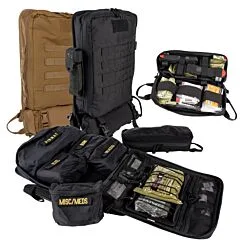
NAR-6 Kit
- Check the expiration date on sterile packaging before use.
- Store in a cool, dry place away from magnetic fields.
- Replace after any contamination or if the magnet loses strength.
Common Mistakes to Avoid
One of the most common mistakes is using an eye magnet on a particle that is not ferrous. This can waste time and delay proper treatment. Always confirm the particle is magnetic before attempting removal.
Another mistake is applying too much pressure or moving the magnet too quickly, which can cause corneal abrasions. Always use a gentle, steady motion. Additionally, some people try to remove particles from the eye without proper lighting, making it difficult to see and increasing the risk of injury.
Finally, do not use an eye magnet if you are not trained. If you're unsure, seek professional help. For training purposes, consider using a simulator like the Combat Gauze Trainer for practice, but for eye magnets, look for specific training models if available.

Combat Gauze Trainer
- Never use an eye magnet without proper training.
- Avoid using on non-magnetic particles.
- Do not attempt to remove deeply embedded objects.
Eye Magnet Safety in Different Settings
Eye magnet safety applies in various settings, from industrial workshops to home workshops. In industrial settings, employers should provide training and ensure eye magnets are readily available in first aid kits. In home settings, hobbyists and DIY enthusiasts should also have an eye magnet on hand, but they must learn how to use it correctly.
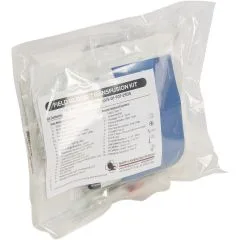
First responders and medical professionals may also carry eye magnets in their trauma kits. For example, the Field Blood Transfusion Kit - FBTK - Complete is designed for serious trauma, but eye care is also crucial. Having an eye magnet can be a valuable addition to any comprehensive first aid kit.
Regardless of the setting, the principles of eye magnet safety remain the same: use sterile tools, follow proper technique, and seek medical care when in doubt.
- In workplaces, integrate eye magnet training into safety protocols.
- For home use, keep the magnet out of reach of children.
- When in doubt, always consult a medical professional.
Eye magnet safety is not something to take lightly. By following the precautions and best practices outlined above, you can effectively remove metal particles from the eye while minimizing the risk of further injury. Remember, an eye magnet is a first aid tool, not a substitute for professional care. If you're looking for a reliable eye magnet, consider adding one to your first aid kit today. Explore our selection of eye magnets and other essential safety tools to be prepared for any emergency.