In industrial workplaces, eye injuries are a serious concern, especially those caused by metal particles. According to the Occupational Safety and Health Administration (OSHA), thousands of workers suffer from eye injuries each year, many resulting in permanent vision loss. While personal protective equipment (PPE) like safety glasses and face shields are the first line of defense, an eye magnet serves as a critical tool for immediate response when a metal foreign body enters the eye.
An eye magnet is a specialized medical device designed to safely remove ferrous metal particles from the surface of the eye. In high-risk environments such as construction, manufacturing, and metalworking, having an eye magnet readily available can mean the difference between a minor irritation and a sight-threatening emergency. This article explores the role of eye magnets in workplace safety, their benefits, and how they complement existing safety protocols.
Understanding Eye Magnets and Their Mechanism
An eye magnet works by generating a magnetic field that attracts and lifts ferrous metal fragments from the cornea or conjunctiva. These devices are typically handheld, battery-operated, and feature a sterile tip that is gently applied to the affected area. The magnet's strength is calibrated to safely remove particles without causing additional trauma to the delicate eye tissue.
In industrial settings, metal particles can become embedded in the eye during grinding, drilling, or cutting operations. Even with proper PPE, particles can sometimes bypass protection. An eye magnet provides a rapid, non-invasive method for first responders or trained personnel to address the injury before medical help arrives. It is important to note that eye magnets are not a substitute for professional medical care but are a crucial first-aid tool.
- Always use an eye magnet only on visible metal particles; do not probe if the particle is not easily seen.
- Follow the manufacturer's instructions for sterilization and maintenance to ensure the device is ready for use.
- Train designated first-aid personnel on the correct technique to avoid further injury.
The Importance of Eye Safety in Industry
Eye injuries are among the most common workplace accidents, yet they are largely preventable. The National Institute for Occupational Safety and Health (NIOSH) reports that about 2,000 U.S. workers experience job-related eye injuries daily. These injuries lead to significant medical costs, lost productivity, and, in severe cases, disability. Implementing comprehensive eye safety programs that include engineering controls, administrative controls, and PPE is essential.
An eye magnet is an integral component of a robust eye safety program. It provides an immediate response capability that can prevent a small particle from causing corneal abrasions, infections, or ulcers. By incorporating eye magnets into first-aid kits and training employees on their use, companies demonstrate a commitment to worker well-being and compliance with safety regulations.
- Conduct regular eye safety training sessions that include demonstrations on using an eye magnet.
- Place eye magnets in easily accessible locations near high-risk work areas.
- Encourage workers to report any eye discomfort immediately, even if they think it's minor.
Eye Magnet vs. Traditional Eye Wash Stations
Traditional eye wash stations are designed to flush chemicals or particles out of the eye with water. However, they are not always effective for metal particles that are embedded or lodged in the eye. Flushing may not dislodge a metallic fragment, and excessive rubbing can worsen the injury. An eye magnet offers a targeted solution for ferrous metals, which are common in many industrial processes.
While both tools are essential, they serve different purposes. Eye wash stations are for chemical splashes and non-embedded particles, while eye magnets are specifically for ferrous metal foreign bodies. A comprehensive safety program should include both, along with clear protocols for when to use each. This dual approach ensures that workers receive the most appropriate care for the type of injury sustained.
- Use an eye magnet only for metal particles; use eye wash stations for chemicals or non-metal debris.
- If a metal particle is deeply embedded, do not attempt removal; seek emergency medical care immediately.
- Regularly inspect and maintain both eye wash stations and eye magnets to ensure they are in working order.
Integrating Eye Magnets into Workplace First Aid
To maximize the benefits of an eye magnet, it should be integrated into the workplace's first aid response plan. This includes having the device in designated first aid kits, training employees on its use, and ensuring it is easily accessible in areas with high risk of metal exposure. For instance, in a metal fabrication shop, an eye magnet should be mounted on a wall near the workstations.
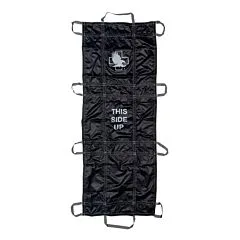
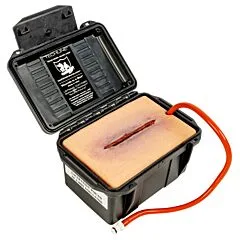
Additionally, employers should consider including eye magnets in their emergency response training. Simulated exercises using products like the Techline Trauma Laceration Wound in a Box Simulator can help workers practice their response to eye injuries. While this simulator focuses on lacerations, it underscores the value of realistic training tools in preparing for emergencies. Furthermore, having a well-stocked first aid kit, such as the https://narescuer.com/products/nar-elite-litter-responder-lite-380616NAR ELITE Litter - Responder LITE, ensures that all necessary equipment is available when needed.
- Designate a trained first aid responder who is proficient in using an eye magnet.
- Include eye magnets in all first aid kits located in high-risk zones.
- Review and update your eye safety protocols annually to incorporate new best practices.
Real-World Applications and Case Studies
In a manufacturing plant, a worker was grinding metal when a small steel fragment flew into his eye. His colleague, trained in first aid, used an eye magnet to gently remove the particle within minutes. The worker was then taken to a clinic for a follow-up examination, and no permanent damage was sustained. This scenario highlights the practical value of having an eye magnet on hand.
Another example involved a construction site where a worker experienced a similar incident. The site's safety officer used an eye magnet from the first aid kit, successfully removing the metal shard. The worker avoided a trip to the emergency room and was back on the job the next day. These real-life applications demonstrate that eye magnets are not just theoretical tools but are effective in preventing serious injuries.
- Share success stories within your organization to emphasize the importance of eye safety.
- Encourage workers to carry personal eye magnets if they work in high-risk areas.
- Coordinate with local emergency services to ensure seamless care for eye injuries.
In conclusion, eye magnets play a vital role in workplace safety by providing a quick and effective method to remove metal particles from the eye, thereby preventing potential vision loss. Employers should prioritize integrating eye magnets into their safety protocols, along with comprehensive training and PPE. By doing so, they not only comply with safety standards but also foster a culture of care and preparedness. Explore our range of safety and first aid products, including the Techline Trauma Laceration Wound in a Box Simulator, to enhance your workplace safety training.