Quick answer
Start with a neutral shade that is one or two steps deeper than your skin tone, then add a slightly lighter shade on the lid and a deeper shade in the crease. Match the undertone—warm, cool, or neutral—rather than chasing a specific trend color.
Why undertone matters more than shade name
Two eyeshadows can look identical in the pan but read very differently on your skin. The difference is usually undertone: the subtle warm (golden, peachy), cool (pink, bluish), or neutral cast beneath the surface. A shade that clashes with your undertone can look muddy or ashy even when the depth is right.
You do not need a formal color analysis to find your undertone. Compare the veins on your inner wrist in daylight—greenish suggests warm, bluish or purple suggests cool, and a mix suggests neutral. If that is inconclusive, hold a warm gold and a cool silver near your face and notice which one makes your skin look clearer rather than tired.
The everyday palette: three depths, not ten colors
Everyday eyeshadow works best when you limit yourself to three depths: a base close to your skin tone, a mid-tone for the lid, and a deeper shade for the crease or lash line. This keeps the look quick and reduces the chance of overbuilding color before you leave the house.
Formats matter here too. Powders are forgiving and easy to blend, while creams can be applied with a fingertip for a wash of color on rushed mornings. If you are building a first kit, choose one format you can control rather than buying both at once.
When to break the rules
The skin-tone method is a starting point, not a restriction. If you want a brighter look for a specific event, a shade outside your usual undertone family can work when you keep the rest of the eye simple and blend the edges well.
Also adjust for lighting. Office fluorescent light can make warm shades look more orange and cool shades look grayer, so test a new shade in daylight before committing to it for an important morning.
A simple step-by-step for choosing everyday eyeshadow
- Identify your undertone in daylight: Check your wrist veins and hold a gold and a silver item near your face. Choose warm, cool, or neutral based on which makes your skin look clearer. If you are between two undertones, treat neutral as your default and test both warm and cool shades on the eye, not the hand.
- Pick a base shade one or two steps deeper than your skin: Sweep it across the lid as a wash. This becomes your everyday neutral and the shade you will use most often. Avoid going more than two steps deeper for a daytime base; it can look heavy before you add any other color.
- Add a mid-tone that shares your undertone: Choose a lid shade in the same warm, cool, or neutral family as your base. Apply it only to the center of the lid to keep the look light. A common mistake is choosing a mid-tone that is a different undertone from the base; it can make the eye look muddy.
- Choose a deeper crease shade with a matte or satin finish: Apply it in a thin line along the crease and blend upward. Keep the amount small and build slowly. Checkpoint: if the crease shade looks like a stripe, blend with a clean brush before adding more color.
- Test the full look in daylight before an event: Step near a window and check the eye in natural light. Adjust by adding a lighter shade to the center of the lid or softening the crease. Keep a clean cotton swab nearby to correct any fallout without redoing the whole eye.
Product facts
-
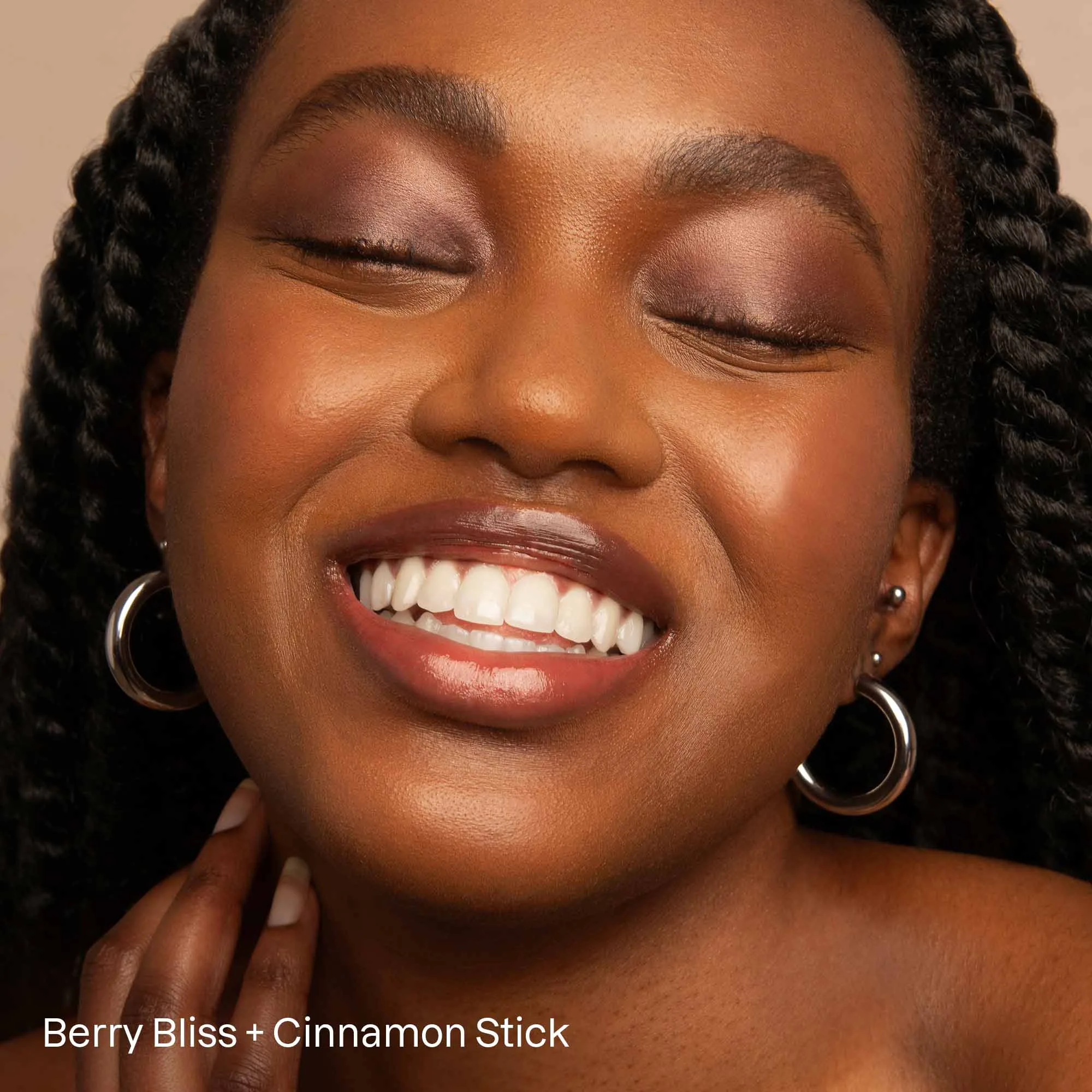
Eyeshadow -0.16 FL.OZ.: Attitude Eyeshadow comes in a compact 0.16 FL.OZ. size with multiple shade and format options. The small size and shade range let you test a neutral everyday shade without committing to a large pan, and the format choice helps you pick powder or cream based on your preferred application style.
Eyeshadow -0.16 FL.OZ.