Quick answer
For newborns and babies who grab, mouth and bat at everything, start with a soft fabric book. Add a touch-and-feel board book once your baby sits and reaches with purpose, usually around six months, for storytime and texture play.
The real difference is how your baby uses the book
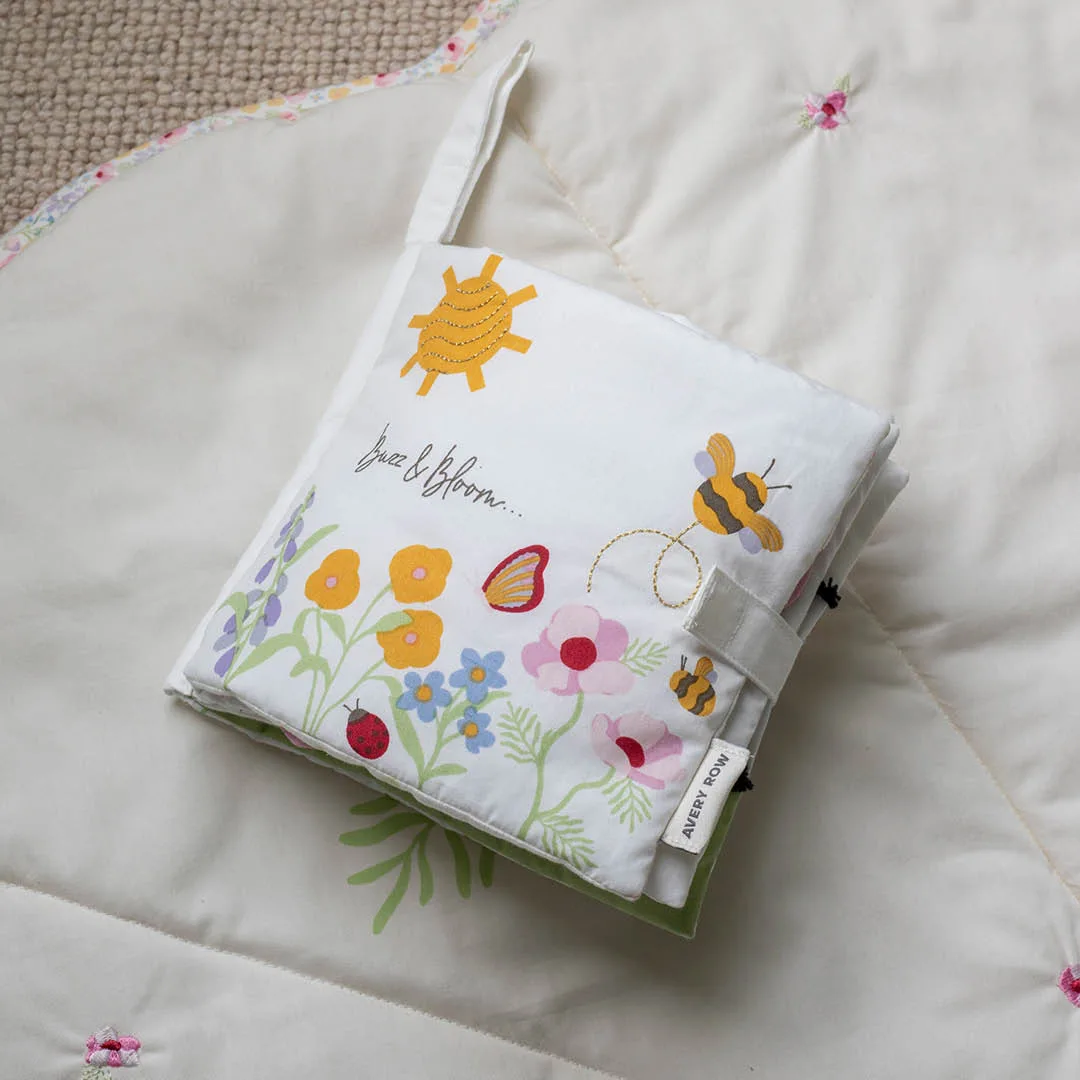
A fabric book is built for hands-on exploration before reading begins. It can be scrunched, chewed, attached to a pram or cot, and explored without pages tearing. That makes it a practical first book for babies who are still learning to hold and handle objects.
A board book is built for shared looking and listening. Its thick pages hold their shape, so an adult can turn them while a baby pats, points or feels the textures. The trade-off is that board books are heavier and less forgiving of constant mouthing than fabric.
Where each type fits in your day
Fabric books suit travel, pram time and wind-down routines because they can be clipped on and handled roughly. Board books suit a lap, a floor mat or a bedtime routine where an adult is close by and the focus is on naming pictures and sharing a story.
You do not have to choose one forever. Many families keep a soft book for independent play and a board book for shared reading, which covers both needs without buying a large collection.
Trade-offs to weigh before you buy
- Durability vs page feel: Fabric books tolerate grabbing, chewing and being stuffed into a bag, but they do not hold a stiff page for turning. Board books keep their shape for page-turning practice, but they are heavier and can be damaged by prolonged mouthing. Choose fabric for the mouthing stage; choose board once your baby wants to turn pages.
- Independent play vs shared reading: A fabric book with a mirror and crinkle works well for solo exploration and pram or cot attachment. A touch-and-feel board book works best when an adult is naming textures and reading aloud. If you want one book for solo play, pick fabric; for a lap routine, pick board.
- Sensory features vs story content: Fabric books often lean on sensory elements such as mirrors and crinkles, while touch-and-feel board books combine textures with a simple narrative. Neither is better; they serve different attention spans. Match the feature to your baby's current interest, not to a milestone chart.
Two options that show the difference
-
Avery Row Fabric Book - Riverbank: The Avery Row Fabric Book - Riverbank includes a reflective mirror, crinkly leaves and a velcro loop fastener. The mirror and crinkle give a baby something to discover independently, while the loop lets you attach the book to a pram or cot so it stays within reach.
Avery Row Fabric Book - Riverbank
Avery Row Fabric Book - Riverbank
-
Bookspeed "I Love You to the Moon and Back" Touch and Feel Board Book: The Bookspeed "I Love You to the Moon and Back" Touch and Feel Board Book has furry, smooth and sparkly textures to feel while sharing the bear story. The varied textures invite a sitting baby to pat and point, which supports shared storytime once your baby can reach deliberately.
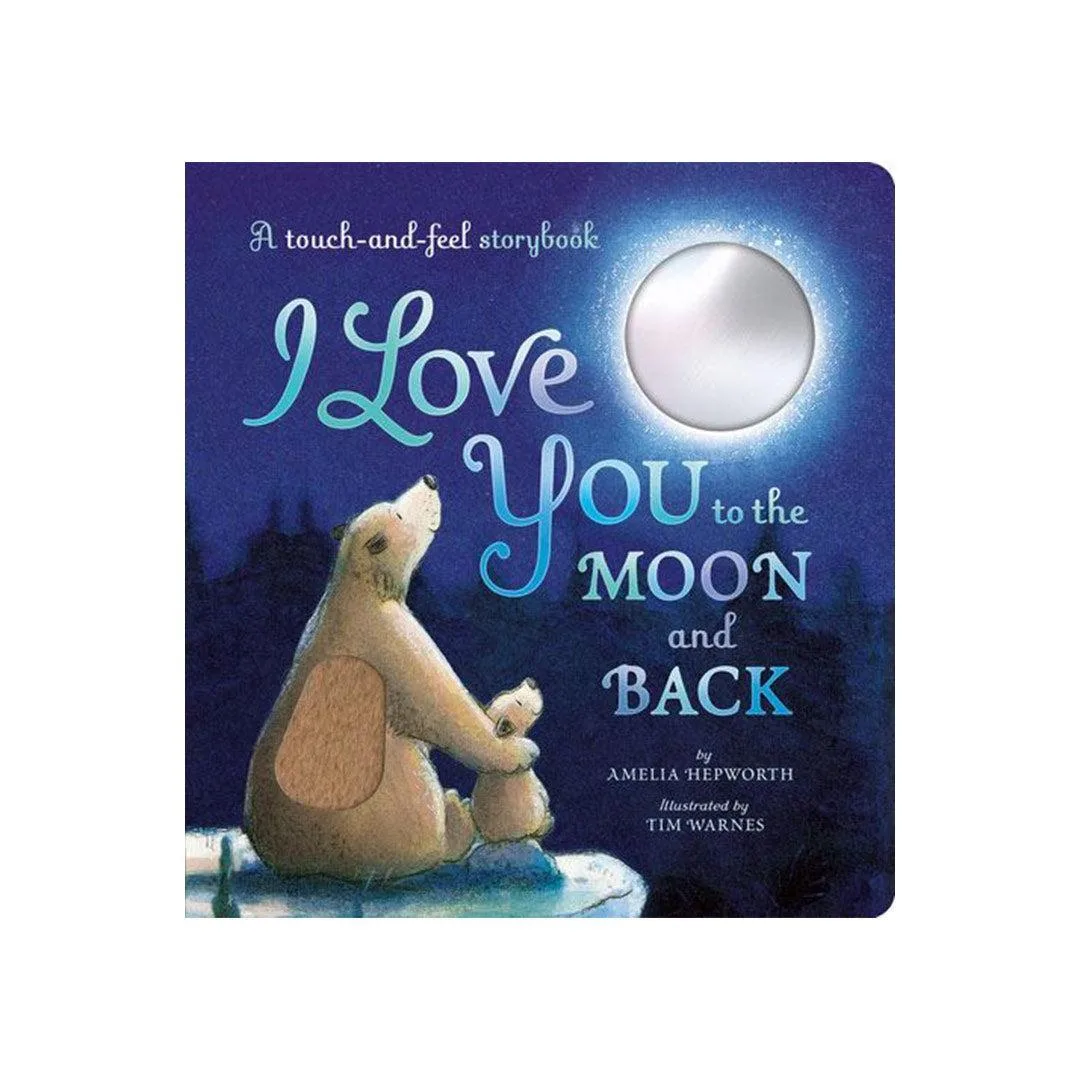
Bookspeed "I Love You to the Moon and Back" Touch and Feel Board Book
Which should you choose?
Best for
- Newborns and babies who mouth, grab and bat at books
- Pram, cot and travel use where a book needs to be attached
- Families who want a first book that can be handled roughly
Not for
- Babies who are ready for page-turning practice and shared storytime
- Adults who want a book that holds a stiff page for reading aloud
- Families looking for a traditional bedtime story format