When it comes to nurturing your baby’s early literacy skills, choosing the right type of book can make all the difference. Fabric books and board books are two of the most popular options for infants, each offering unique advantages for sensory exploration, durability, and engagement. As a parent or caregiver, you want to provide the best tools for your little one’s cognitive and motor development, but with so many choices, it’s easy to feel overwhelmed.
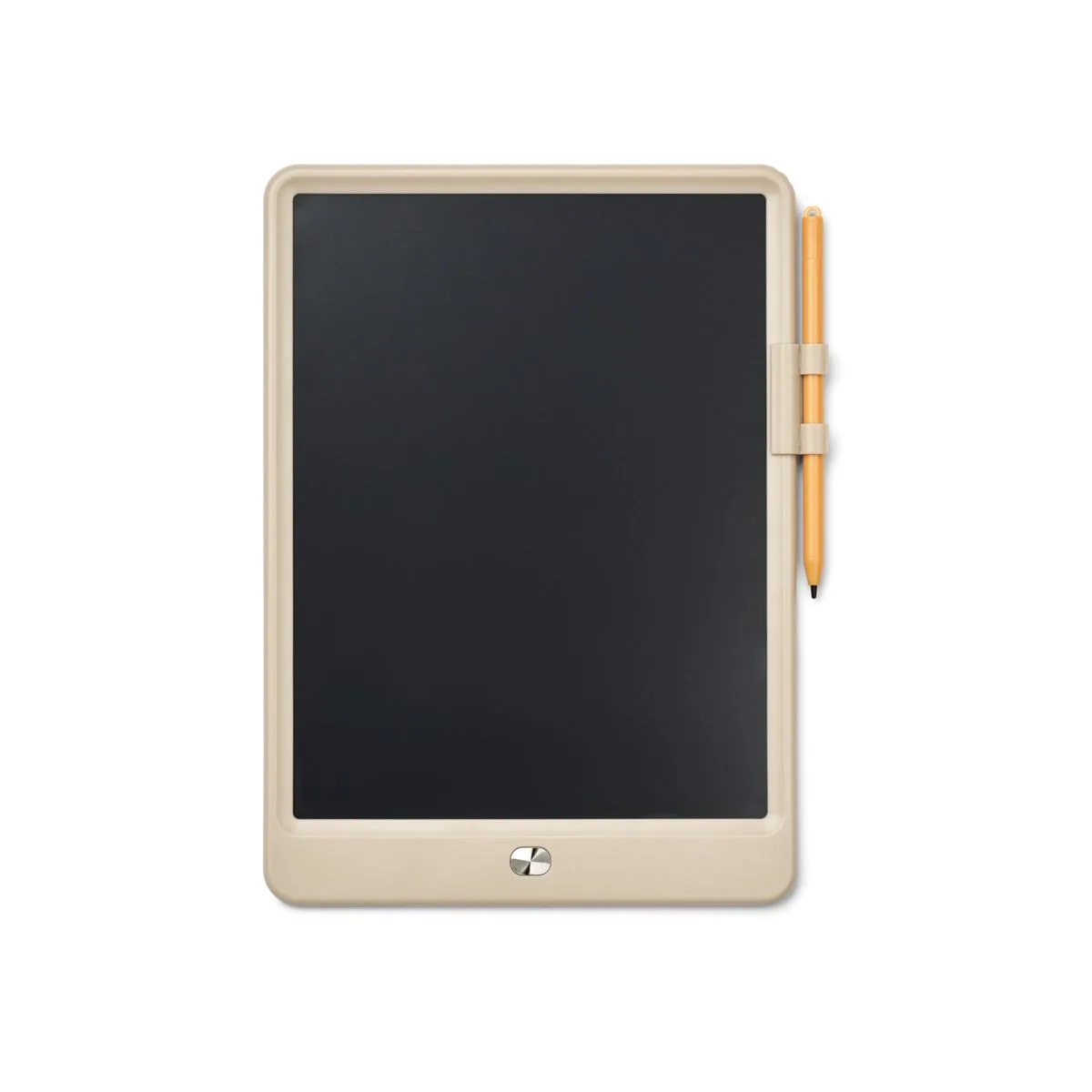
In this article, we’ll compare fabric books and board books across key factors like safety, interactivity, and age suitability. We’ll also share practical tips for integrating books into daily routines and highlight a few complementary products, such as the Zora LCD drawing board Tablet 10 inches - Sandy and the ELLIS Large Sippy Cup - Safari sandy mix, that can enhance your infant’s learning journey. Whether you’re a new parent or a seasoned caregiver, this guide will help you make an informed decision.
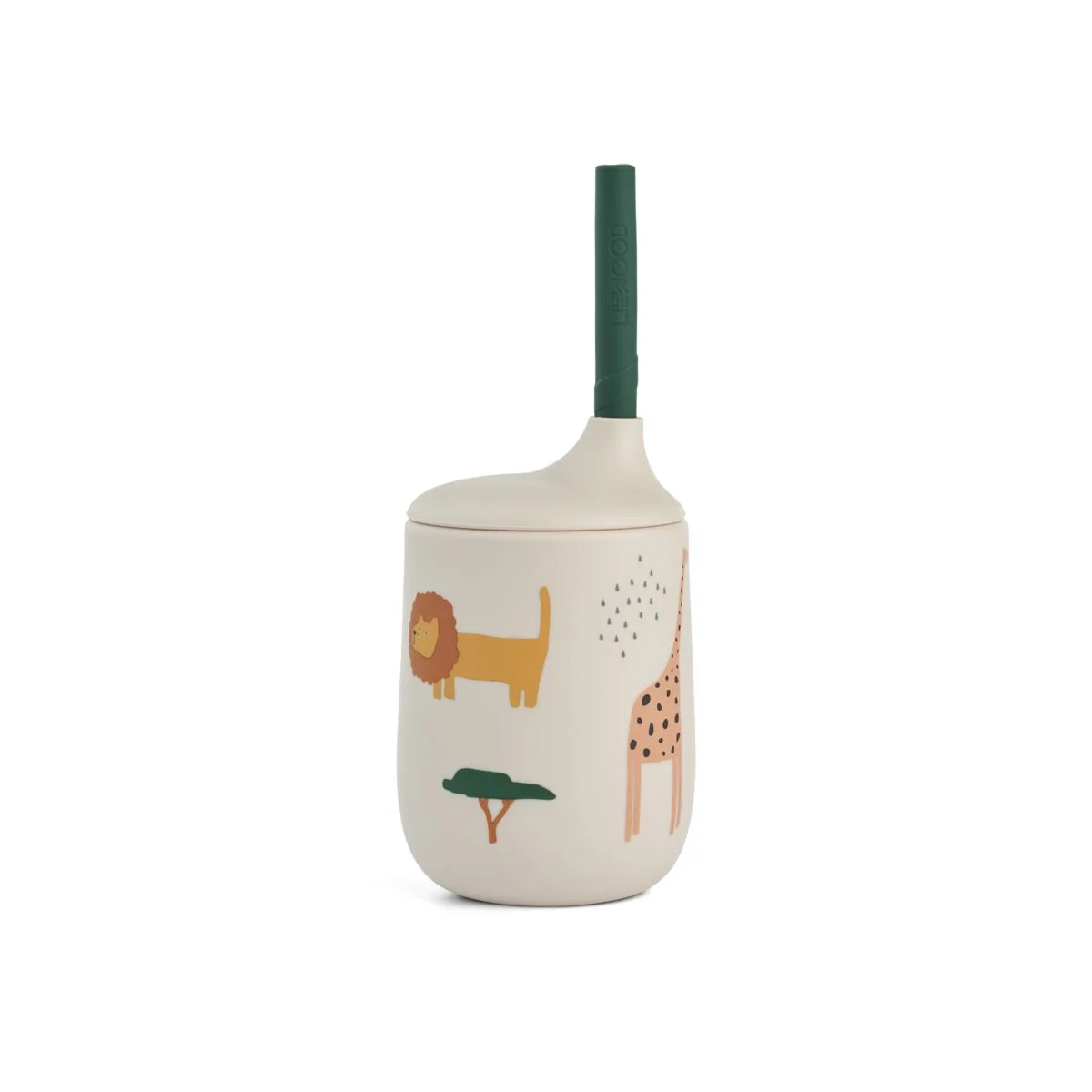
ELLIS Large Sippy Cup - Safari sandy mix
What Are Fabric Books and Board Books?
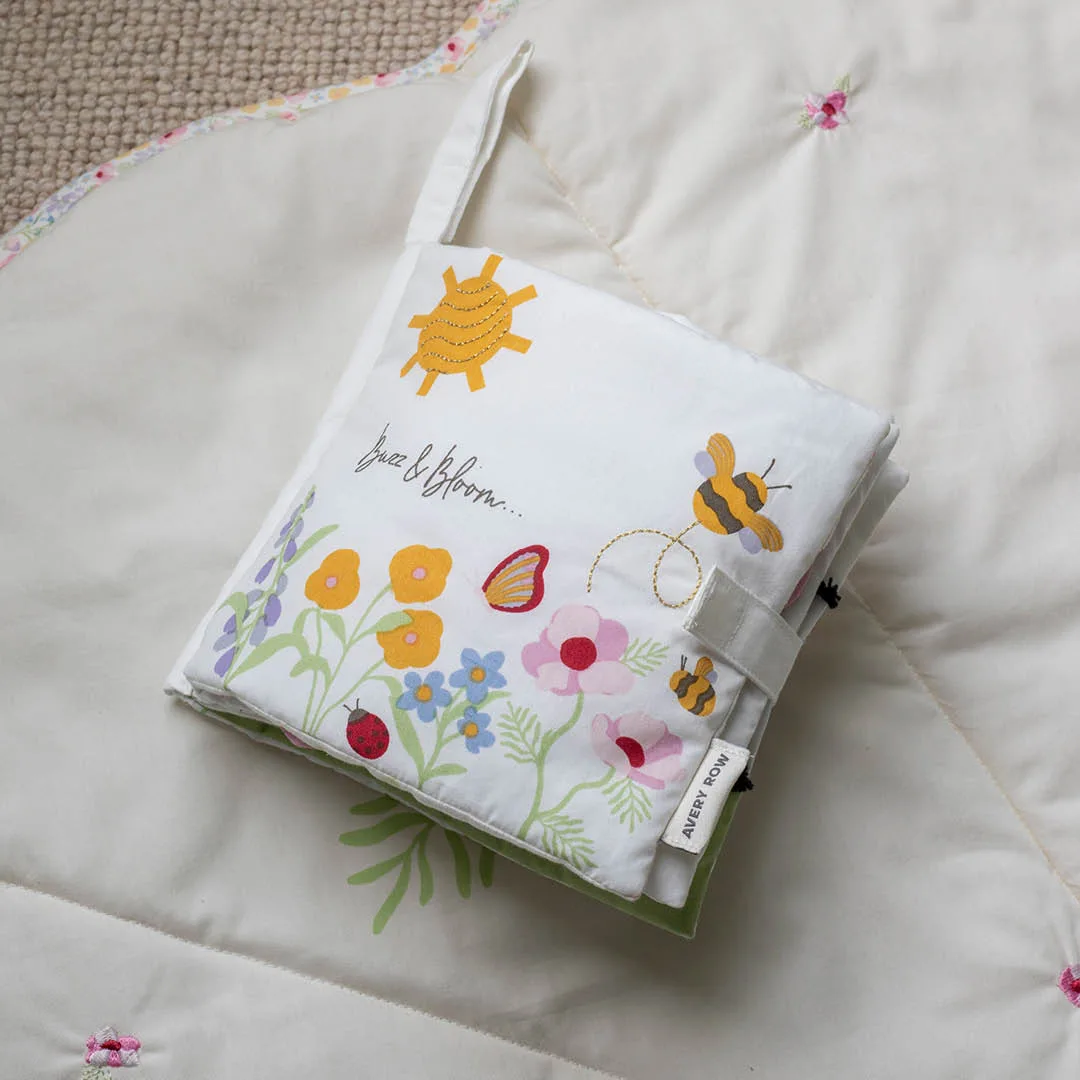
Fabric books are soft, cloth-based books designed for babies from birth onward. They often feature crinkly pages, squeakers, teething corners, and bright patterns that stimulate multiple senses. Because they are machine-washable and lightweight, they are ideal for tummy time, car rides, and bedtime cuddles. Many fabric books include simple images, high-contrast colors, and textures that encourage tactile exploration.
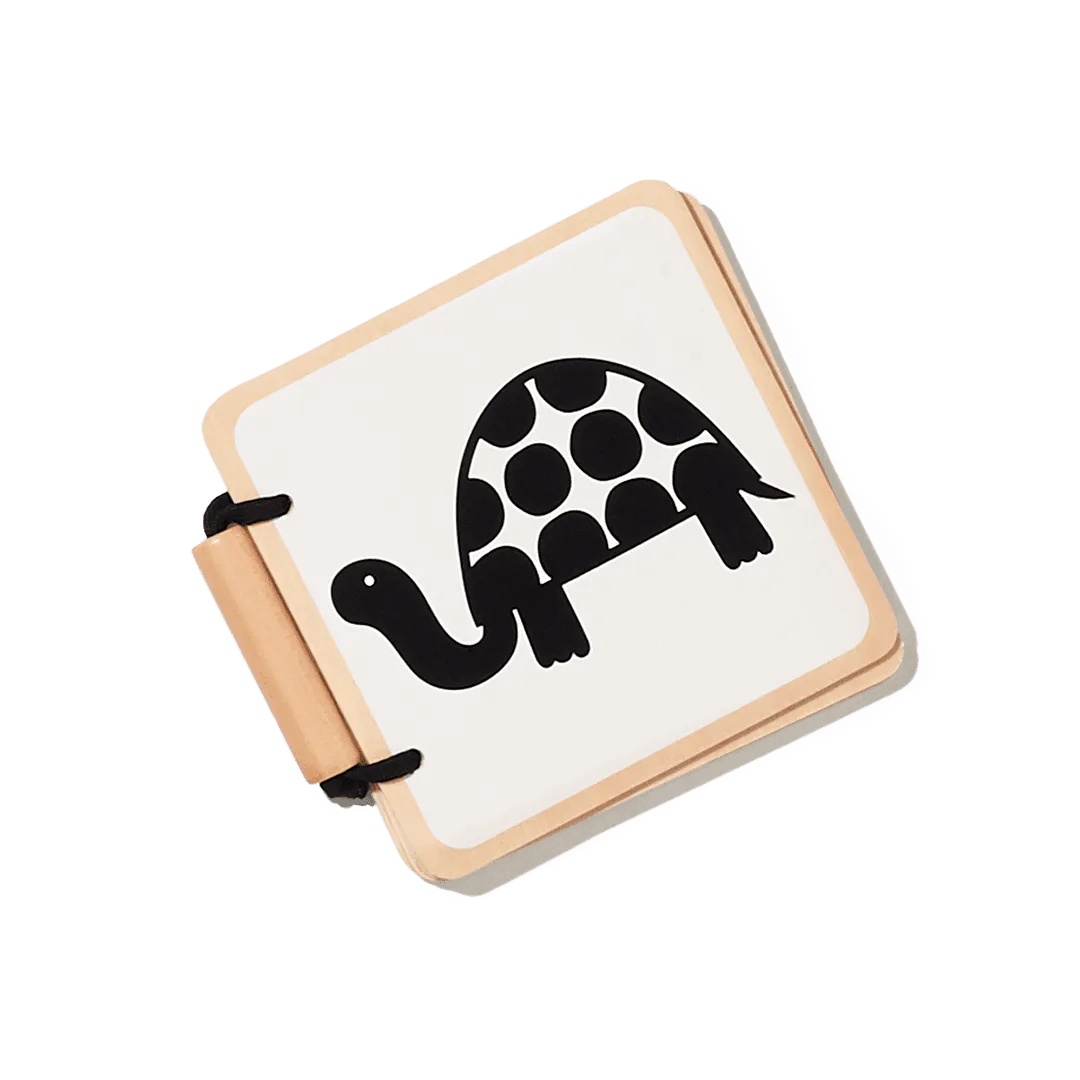
Board books, on the other hand, are made from thick, laminated cardboard that can withstand chewing, drooling, and enthusiastic page turning. They typically have vivid photographs or illustrations, simple text, and rounded corners for safety. Board books are perfect for babies who are starting to grasp and turn pages independently, usually around 6 to 12 months. Both formats support early literacy, but they serve slightly different developmental stages.
- Fabric books: soft, washable, sensory-rich, great for newborns to 6 months.
- Board books: durable, easy to grip, ideal for 6 months and up.
Key Benefits of Fabric Books for Infant Learning
Fabric books excel at engaging a baby’s senses. The crinkle sounds, soft textures, and attached toys like mirrors or teethers help develop auditory and tactile awareness. Because they are lightweight and flexible, they are safe for even the youngest infants to explore during supervised play. Many parents find that fabric books are excellent for tummy time, as the bright colors and sounds encourage babies to lift their heads and reach out.
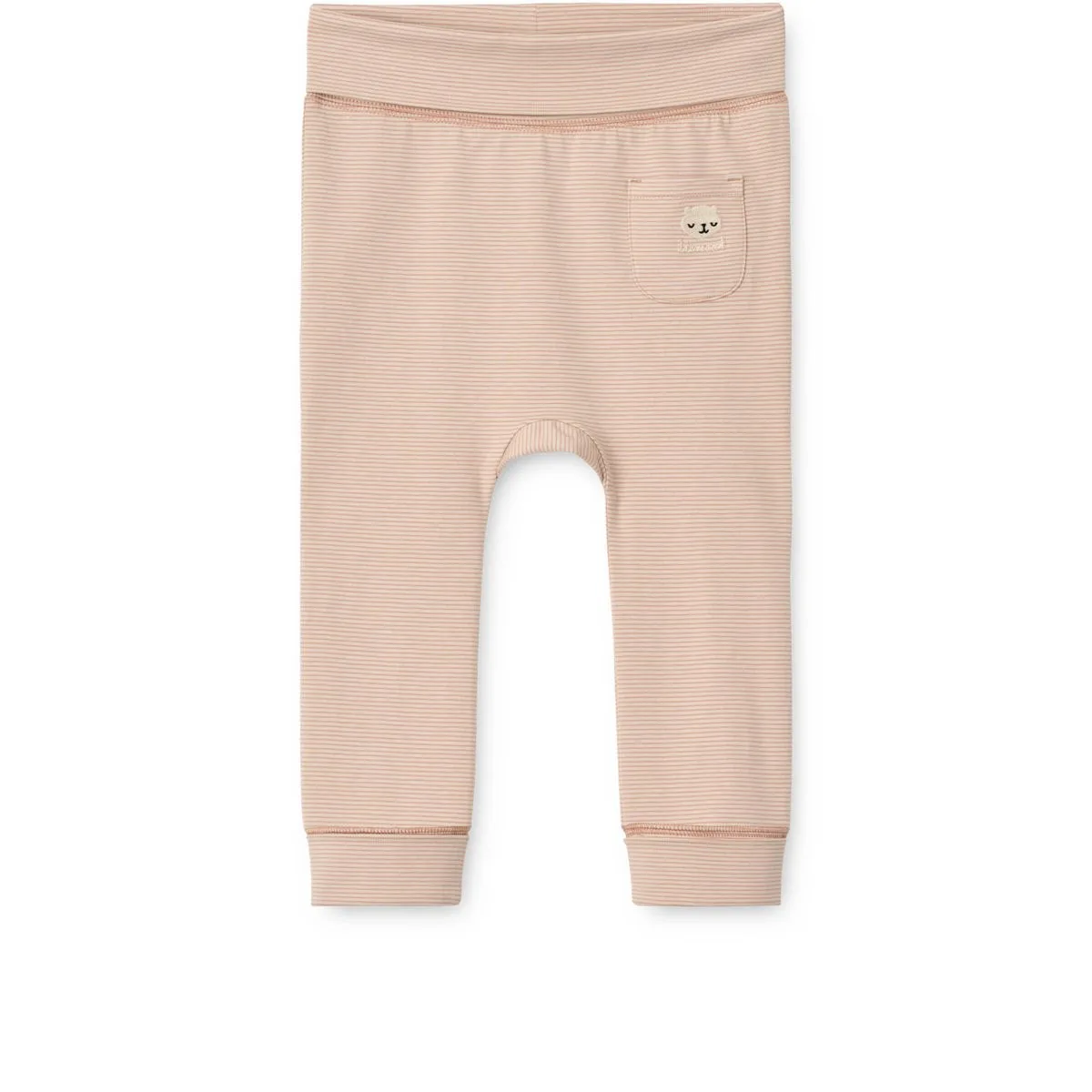
Another advantage is their portability. You can easily toss a fabric book into a diaper bag without worrying about damage. They also double as comfort items, providing a familiar texture during travel or naptime. For example, pairing a fabric book with the Syon Grow Baby Leggings - Y/D Sandy / Pale tuscany stripe ensures your baby stays cozy while exploring new stories. Just remember to wash fabric books regularly to keep them hygienic.
- Sensory stimulation through crinkle, squeak, and texture.
- Safe for mouthing and teething (if labeled BPA-free).
- Machine washable for easy cleaning.
Key Benefits of Board Books for Infant Learning
Board books are built to last. Their thick pages resist tearing and bending, making them perfect for babies who love to chew and pull. They also introduce cause-and-effect learning: when a baby turns a page, they see a new image, which builds anticipation and memory. Board books often feature simple rhyming text or repetitive phrases that support language development and phonemic awareness.
Because board books are more rigid, they help develop fine motor skills as babies learn to grasp and flip pages. They are also excellent for shared reading time, allowing you to point to pictures and name objects. For a comprehensive learning experience, consider combining board books with the Zora LCD drawing board Tablet 10 inches - Sandy. This drawing tablet lets toddlers practice pre-writing strokes, complementing the literacy skills gained from books.
- Durable construction withstands rough handling.
- Promotes page-turning and fine motor coordination.
- Supports vocabulary building through clear images and text.
Fabric Books vs Board Books: A Quick Comparison
To help you decide, here’s a side-by-side look at the main differences between fabric books and board books. Consider your baby’s age, developmental stage, and your daily routine when making a choice.
Many families keep both types on hand. Fabric books are perfect for newborns and on-the-go moments, while board books become favorites as babies grow more mobile. Whichever you choose, remember that interaction is key. Point to pictures, make sounds, and ask questions to deepen your baby’s engagement.
- Age range: Fabric books (0-12 months), Board books (6 months+).
- Durability: Fabric books are soft and washable; board books are rigid and chew-resistant.
- Sensory features: Fabric books offer crinkle, squeak, and texture; board books focus on visual and auditory (reading aloud).
- Portability: Both are lightweight, but fabric books are more flexible for packing.
How to Choose the Right Book for Your Baby
Start by assessing your baby’s current interests and abilities. If your infant is under 6 months and enjoys tactile play, a fabric book with high-contrast patterns and crinkle pages is a great starting point. For babies who are starting to sit up and grasp objects, board books with simple, bold illustrations will capture their attention and encourage independent exploration.
Also consider your daily schedule. If you frequently travel or visit childcare, fabric books are easier to clean and carry. At home, a small collection of board books can create a dedicated reading nook. To round out your learning tools, the ELLIS Large Sippy Cup - Safari sandy mix is perfect for keeping your baby hydrated during reading sessions. Its spill-proof design and easy-grip handles make it a parent favorite.
- Look for books with rounded corners and non-toxic materials.
- Choose themes that match your baby’s interests, like animals or vehicles.
- Rotate books regularly to maintain novelty and engagement.
Top Tips for Reading with Infants
Reading to your baby from birth builds a strong foundation for language and bonding. Even if they don’t understand the words, the rhythm and tone of your voice are soothing and educational. Here are a few strategies to maximize the benefits of both fabric and board books.
First, make reading a daily habit. A few minutes each day, whether after a bath or before a nap, creates consistency. Second, let your baby lead the experience. If they want to chew the book or turn pages back and forth, that’s fine. Exploration is part of learning. Finally, use expressive voices and point to images to build connections between words and objects.
- Hold the book close so your baby can see and touch it.
- Name objects and describe what’s happening on each page.
- Don’t worry about finishing the book; focus on enjoyment.
Both fabric books and board books play valuable roles in infant learning. Fabric books offer sensory-rich exploration for the youngest babies, while board books provide durability and early literacy skills for growing toddlers. By choosing age-appropriate options and incorporating interactive tools like the Zora LCD drawing board Tablet 10 inches - Sandy, you can create a stimulating environment that fosters a lifelong love of reading. Start building your baby’s library today and watch their curiosity bloom.