Quick answer
Prevent limescale in your fabric steamer by using distilled or filtered water, emptying the tank after every use, and descaling with a 1:1 white vinegar and water solution every 4–6 weeks. These habits keep mineral deposits from hardening and blocking steam flow.
Why hard water damages steamers
Tap water contains calcium and magnesium that turn into solid scale when heated. That scale coats the heating element and narrows steam channels, so your steamer works harder, produces weaker steam, and eventually fails. The harder your water, the faster this happens—but the steps below work for any water type.
Choose the right water every time
Distilled water has had minerals removed, so it leaves almost no scale. Filtered water is a good second choice. Avoid softened water if it uses salt, because the sodium can still leave deposits. Never use perfumed or oily additives unless the manufacturer explicitly allows them.
Empty and dry the tank after each use
Standing water encourages mineral crystallization and can lead to musty odors. After the steamer cools, pour out any remaining water, wipe the tank dry with a clean cloth, and leave the fill cap open to air out. This one habit prevents most scale from ever forming.
Step-by-step limescale prevention routine
- 1. Fill with distilled or filtered water: Make this your default every time you steam. Keep a jug of distilled water next to the steamer so you never reach for the tap. Checkpoint: if you must use tap water, plan to descale more often—every 3–4 weeks instead of 6.
- 2. Empty the tank after each session: Wait for the steamer to cool, then pour out all remaining water. Wipe the inside with a dry cloth and leave the cap off until fully dry. Mistake to avoid: leaving water in the tank overnight, which speeds up scale formation.
- 3. Descale monthly with vinegar: Mix equal parts white vinegar and water, fill the tank, and run the steamer until the solution is half gone. Let it sit for 30 minutes, then empty and rinse thoroughly with clean water. Checkpoint: if you see white crust around the steam vents, descale now rather than waiting.
- 4. Clean the steam vents and nozzle: Use a cotton swab dipped in vinegar to wipe away any visible mineral buildup around the nozzle and vents. A soft brush can help with stubborn spots. Mistake to avoid: poking the vents with a pin, which can damage the openings.
- 5. Flush and dry before storage: After descaling, fill the tank with clean water, run the steamer for a minute to flush the system, then empty and dry completely before storing. Checkpoint: store the steamer upright with the tank cap off to prevent trapped moisture.
Product facts
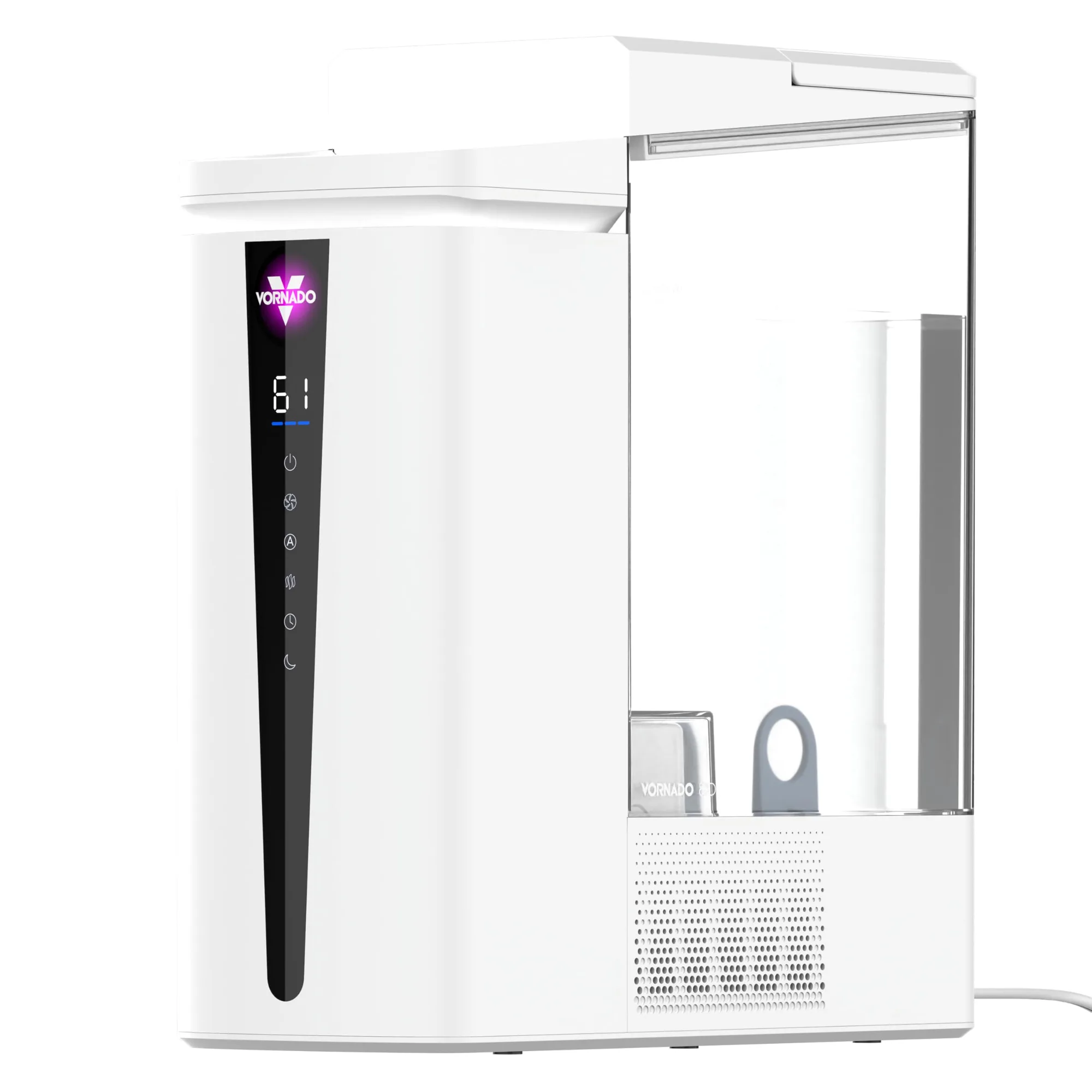
- MISTIC™ 8 Top-Fill Ultrasonic Whole Room Humidifier: The MISTIC 8 Top-Fill Ultrasonic Whole Room Humidifier uses a TRUE Top-fill design that lets you fill the tank without opening the lid, and it distributes over 3 gallons of humidity per day for rooms up to 700 sq. ft. If you also run a humidifier, the same mineral-rich water that causes limescale in a steamer can leave white dust on surfaces. Using distilled water in both appliances protects them and keeps your home cleaner.
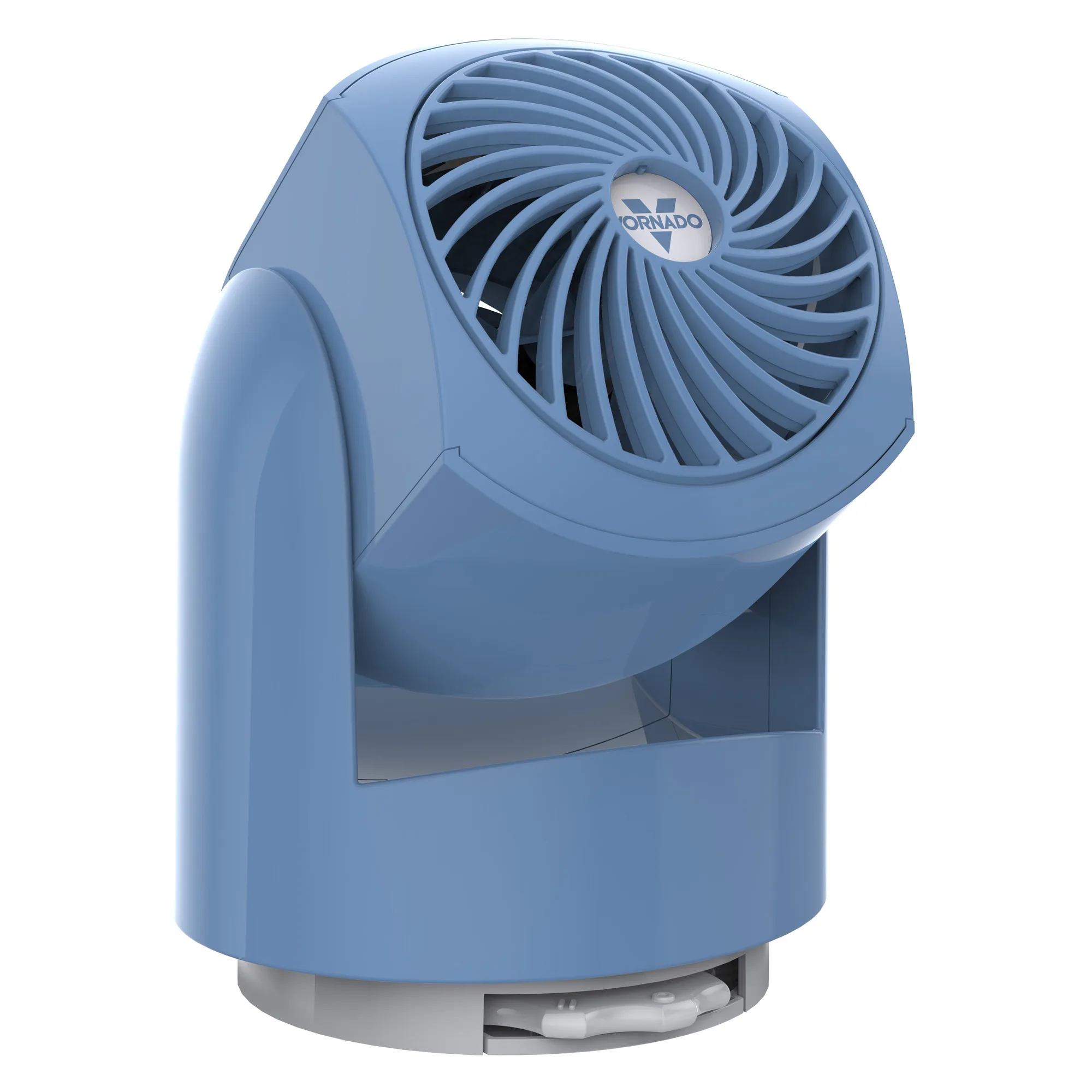
- Flippi V6 Personal Air Circulator Bliss Blue: The Flippi V6 Personal Air Circulator uses Vornado’s Vortex Technology to move air up to 20 feet and has 2 speeds. Good air circulation helps fabrics dry evenly after steaming and reduces the need to over-steam, which means less water vapor and fewer mineral deposits over time.