Quick Answer
For most blush routines, a face brush is your best bet—it delivers even color diffusion and precise placement, especially with powder formulas. A sponge shines for cream and liquid blushes when you want a seamless, skin-like finish.
Brush vs. Sponge: The Core Trade-Off
The biggest difference comes down to control versus blendability. A brush with a fluffy, tapered tip gives you more control over where color lands and how much you deposit, making it ideal for building intensity gradually. A sponge, especially a small one, excels at pressing and bouncing product into the skin, which melts cream and liquid formulas into a natural, diffused finish.
Your formula choice often dictates the tool. Powder blush clings to brush bristles and applies evenly with a sweeping motion. Cream and liquid blushes can soak into a sponge, but the damp, bouncy texture helps sheer them out and blend them seamlessly without disturbing your base.
When a Brush Wins
If you love powder blush, a brush with a fluffy, tapered head is hard to beat. The Morphe X Ariel A22 Blush Brush features a fluffy tip that diffuses color evenly and a tapered shape that lets you place pigment precisely on the apples of your cheeks or along the cheekbone. This brush gives you the control to build from a soft wash to a more intense pop of color without over-applying.
A brush also makes it easier to blend multiple powder products—like blush, bronzer, and highlighter—since you can use the same tool with different motions and avoid muddying the colors.
When a Sponge Wins
For cream and liquid blushes, a sponge often produces a more natural, skin-like finish. The Cloud Cushion Mini Puff Trio features elastic-banded puffs that slide on for fingertip-like, ultraprecise application. The wide surface builds and blends blush, while the tip is perfect for concealing under the eyes—making it a versatile tool for precise cream product work.
Sponges are also great for stippling and pressing product into the skin, which helps cream formulas melt into your complexion rather than sitting on top. If you prefer a dewy, no-makeup look, a sponge is your ally.
Brush or Sponge? Your Decision Rules
- Powder blush: Use a face brush with a fluffy, tapered tip for even color diffusion and precise placement. Sweep and blend in circular motions. A brush gives you more control over intensity and placement.
- Cream or liquid blush: Use a sponge to press and bounce the product into your skin for a seamless, natural finish. Build in thin layers. A sponge melts cream formulas into the skin better than a brush.
- Precision work: For under-eye concealing or pinpoint placement, use a small sponge tip. For cheekbone sculpting, a tapered brush offers more accuracy. Both tools can handle precision, but a sponge tip is best for tiny areas.
Tools That Make a Difference
-
Morphe X Ariel A22 Blush Brush: The Morphe X Ariel A22 Blush Brush has a fluffy, tapered tip designed for even color diffusion and precision. This makes it a reliable choice for powder blush, letting you build color gradually and place it exactly where you want.
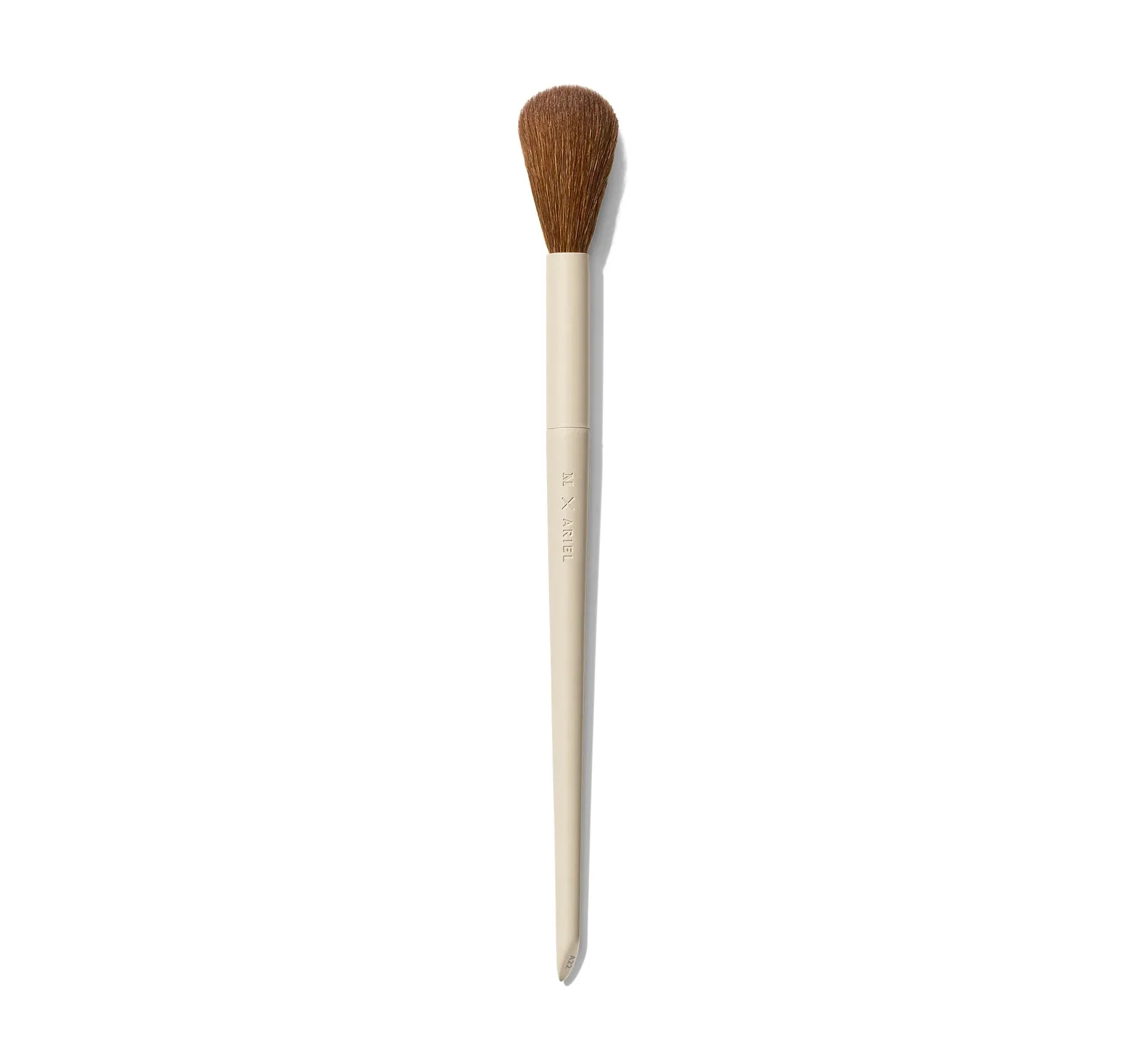
Morphe X Ariel A22 Blush Brush
-
Cloud Cushion Mini Puff Trio: The Cloud Cushion Mini Puff Trio uses elastic-banded puffs for fingertip-like, ultraprecise application with powders, creams, and liquids. Its wide surface blends and builds blush, while the tip handles under-eye concealing, giving you a compact, versatile tool for cream formulas.
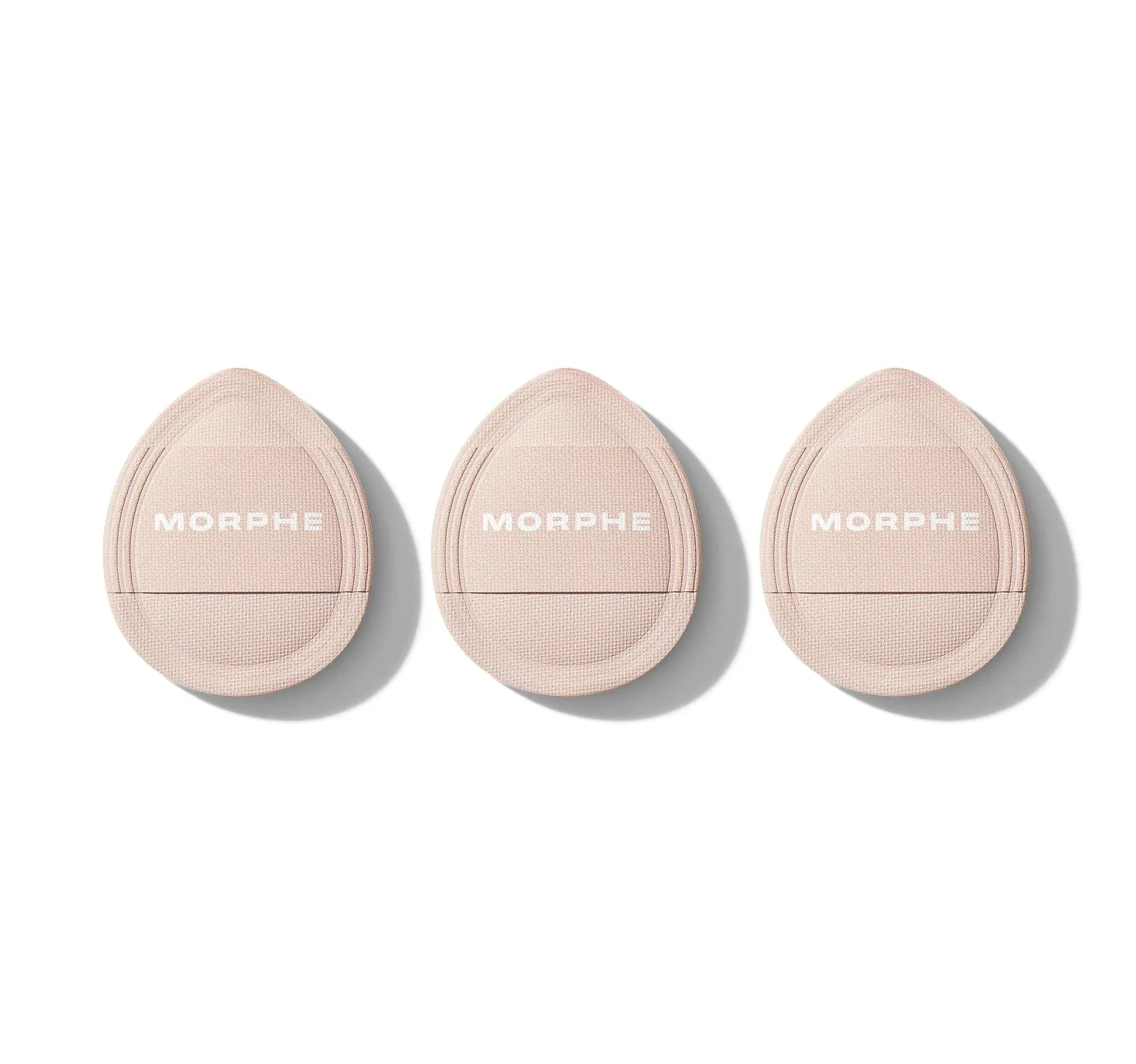
Cloud Cushion Mini Puff Trio
Who Should Choose What
Best for
- Makeup lovers who use powder blush and want buildable, precise color
- Anyone who wants a quick, controlled application without extra blending time
Not for
- Those who prefer cream or liquid blush and want a dewy, skin-like finish—consider a sponge instead