Quick answer
Wet a dry konjac sponge until it swells and turns soft, squeeze out the excess water, then use it with a small amount of gel or foaming facial cleanser in gentle circular motions. Rinse the sponge after every use and let it air dry. For sensitive skin, keep the pressure light and use the sponge once daily rather than scrubbing hard.
Why the sponge changes how your cleanser behaves
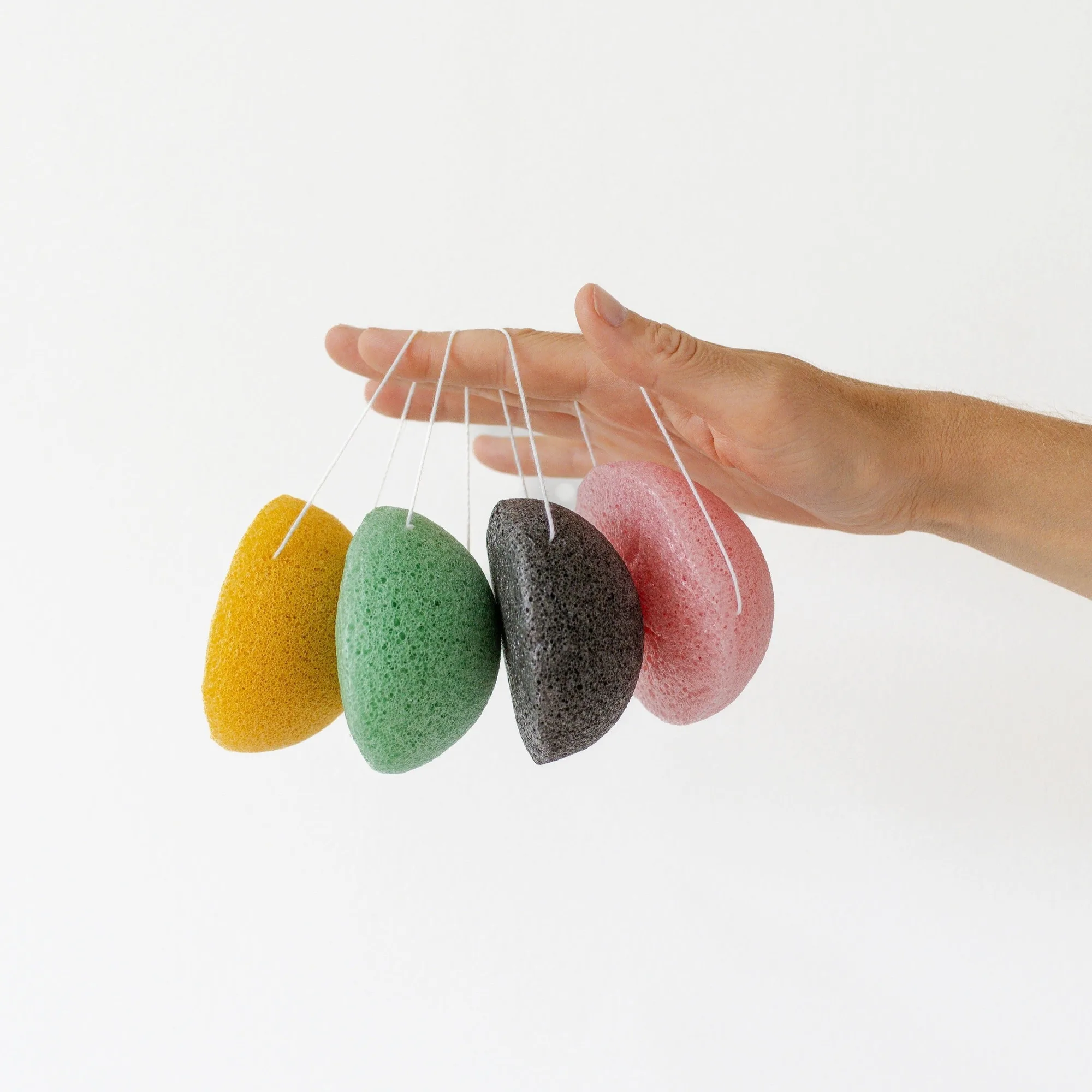
A konjac sponge is not a scrubbing tool in the same way a brush or mitt is. Its soft, spongy texture holds water and cleanser against the skin, so the cleanser stays in contact slightly longer and you need less pressure to spread it. That is useful if you find gel cleansers run off your hands before you have covered your whole face.
Because the sponge is soft, the main variable you control is pressure. A light glide over the forehead, cheeks and chin is enough. If you press hard, you are not cleaning better, you are just creating friction that sensitive skin may react to.
Match the cleanser to your skin before you add the sponge
The sponge is a delivery tool, so the cleanser still does the cleaning. A gel or foaming cleanser is the easiest match because it spreads evenly across a damp sponge without leaving a heavy film. Cream cleansers can work too, but they tend to absorb into the sponge, so you may need a little more product or you may prefer to apply the cleanser to your face first and use the sponge only to rinse.
For sensitive skin, choose a cleanser without a strong fragrance or a long list of active exfoliating acids, and keep the rest of your routine stable while you test the sponge. If your skin stings or feels tight after cleansing, that is a signal to reduce frequency or switch cleansers rather than to scrub more gently forever.
Your daily konjac sponge cleansing steps
- Soak the sponge until it softens: Place the dry konjac sponge in warm water for about a minute, until it swells and feels cloud-soft. Squeeze it gently once so it is damp but not dripping. Checkpoint: a dry sponge is too firm for facial skin. If it still feels stiff, soak it longer.
- Add a small amount of cleanser: Apply a pea-sized amount of gel or foaming facial cleanser to the sponge or directly to your damp face. Work it into a light lather with your fingertips first if your cleanser needs water to activate. Common mistake: using a full pump of cleanser on the sponge. The sponge holds product, so more cleanser usually means more residue to rinse.
- Cleanse in light circles, avoiding the eyes: Glide the sponge over your forehead, cheeks, nose and chin in slow circles for about 30 seconds. Keep the pressure light, as if you were wiping away water rather than scrubbing. Checkpoint: no redness or heat during cleansing. If your skin feels hot, you are pressing too hard.
- Rinse your face with lukewarm water: Use lukewarm water to remove all cleanser residue. Hot water can leave skin feeling tight, especially if you already have sensitive or dry skin. Common mistake: rinsing with very hot water because it feels relaxing. Lukewarm is enough.
- Clean the sponge and let it air dry: Rinse the sponge thoroughly under running water, squeeze it gently without twisting, and hang it or stand it somewhere with airflow so it can dry completely between uses. Next step: replace the sponge when it starts to break down or smell musty, and never store it damp in a closed container.
Product facts that affect this routine
- Konjac Sponge: 100% natural konjac sponge described as a soft cleanser that gently buffs away dead skin cells. It is soft enough to use with a gel cleanser for daily cleansing, but it is still an exfoliating step, so sensitive skin should start once daily or every other day.