Two ways to exfoliate, two different jobs
FACIAL SCRUB and Enzyme Cleanser both address texture and dullness, but they work differently: one is a physical scrub, the other an enzymatic powder. The catalog confirms the enzyme cleanser contains enzymes subtilisin and lipase for gentle but deep exfoliation, while the FACIAL SCRUB is a physical exfoliant. That distinction matters for sensitive skin, frequency, and how you layer them.
This comparison sticks to what the supplied records confirm. Where the catalog is silent—such as exact scrub particle size or a full ingredient list for the scrub—we flag it as a decision limitation rather than guess.
What the catalog confirms about each exfoliant
-
FACIAL SCRUB: FACIAL SCRUB is listed as a physical exfoliant in the facial care category. Physical scrubs rely on manual buffing, so pressure and frequency are controlled by you—important for sensitive skin.
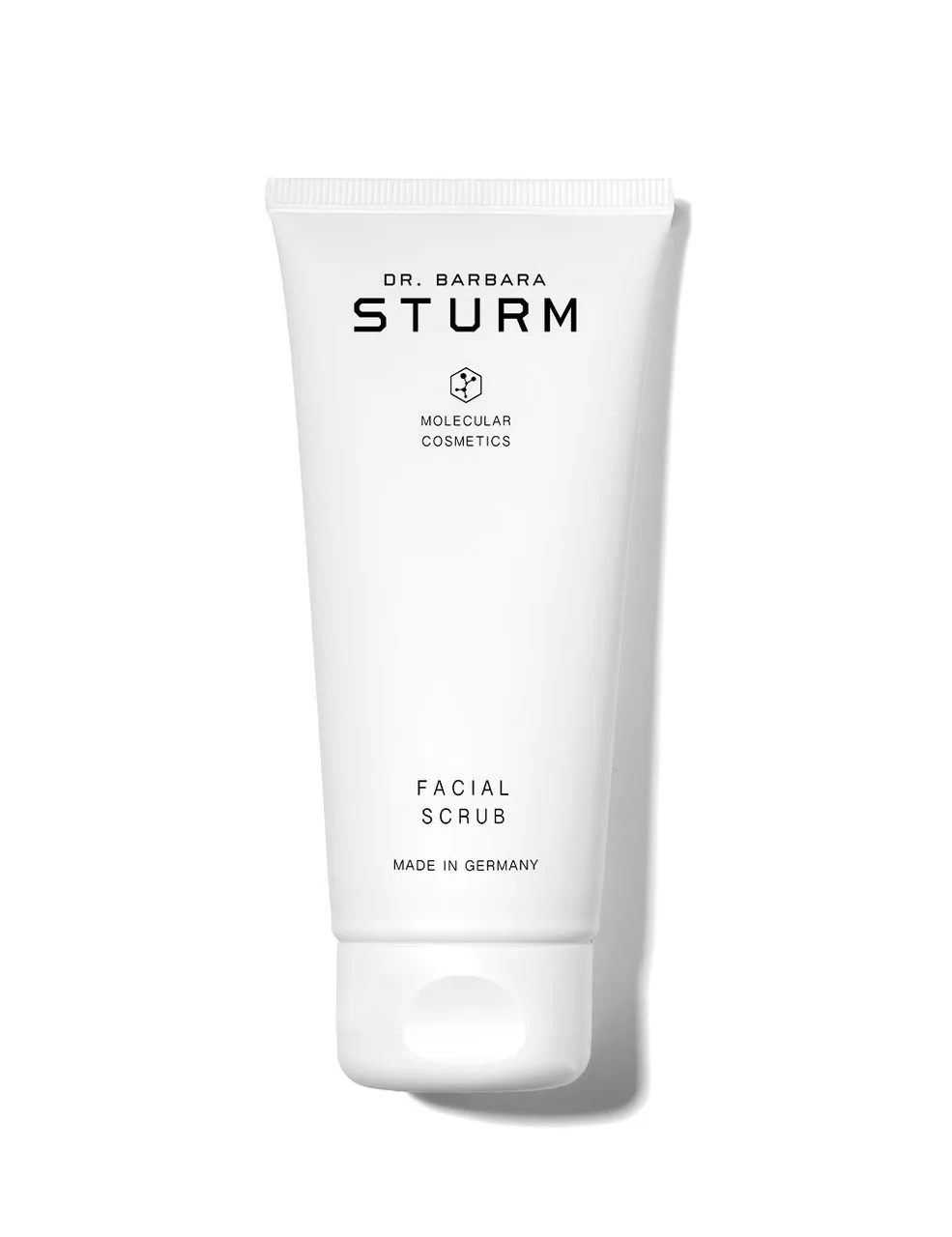
FACIAL SCRUB
-
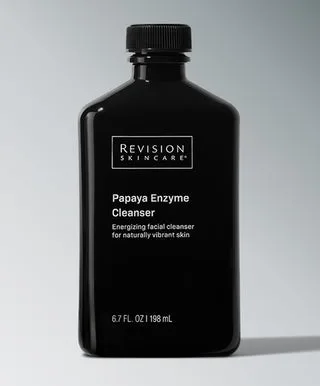
CLEANSER: The enzyme cleanser is a powder formula containing enzymes subtilisin and lipase that provide a gentle but deep exfoliation. Enzymatic exfoliation is chemical, not mechanical, so it may suit skin that reacts to scrubbing.
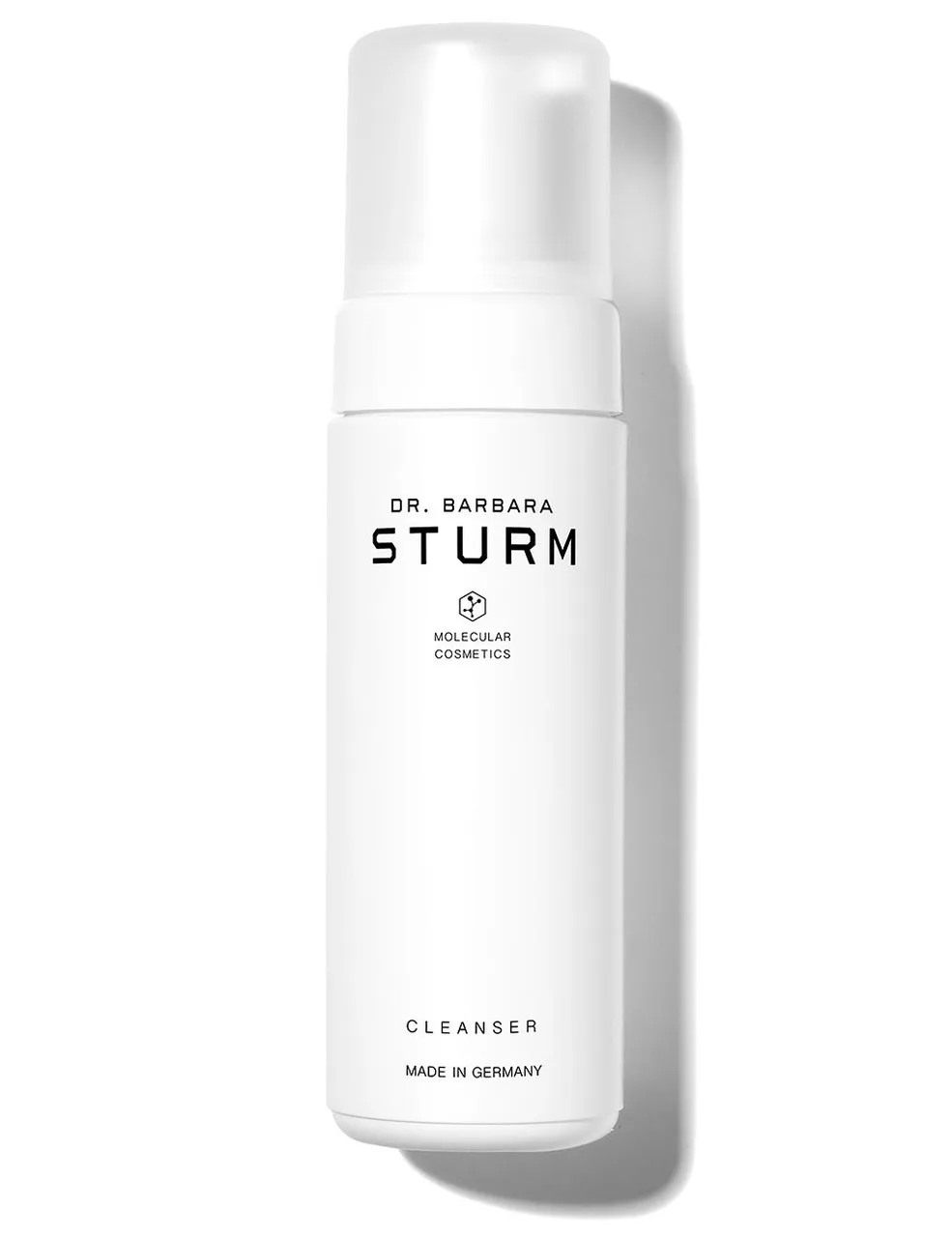
CLEANSER
-
CLEANSER: The enzyme cleanser should only be used 2-3 times a week depending on skin type, whereas the cleanser can be used daily. This is the clearest frequency guidance in the record—use it as your baseline for the enzyme product.
-
CLEANSER: The cleanser is gentle enough to be used on any skin type but should not be used on children below the age of 10. If you are choosing an exfoliating cleanser for sensitive skin, the daily cleanser is the gentler daily option; the enzyme version is the exfoliating step.
How often to use facial scrub: what the catalog does and doesn't say
The FACIAL SCRUB record does not include a recommended frequency, particle type, or full ingredient list. That is a genuine gap, not a hidden instruction. The only frequency guidance in the supplied evidence is for the enzyme cleanser: 2–3 times a week depending on skin type. Dr. Sturm's general advice in the cleanser record is to wash your face once in the morning and once in the evening and exfoliate 1–2 times a week.
If you are set on a physical scrub, start conservatively—once a week—and adjust based on how your skin feels. Do not use the scrub and enzyme cleanser on the same day; that stacks two exfoliation methods and makes it hard to tell which one your skin is responding to.
Physical vs enzymatic exfoliation side by side
- Mechanism: FACIAL SCRUB: physical/manual. Enzyme Cleanser: enzymatic (subtilisin and lipase).
- Frequency guidance: Enzyme Cleanser: 2–3 times a week depending on skin type. FACIAL SCRUB: not specified in the supplied record.
- Sensitive skin: The enzyme cleanser is described as gentle but deep; the scrub's suitability for sensitive skin is not confirmed by the supplied information.
- Routine order: Enzyme Cleanser is a cleanser step (use in place of your regular cleanser on exfoliation days). FACIAL SCRUB is an exfoliation step—use after cleansing, not as a cleanser unless the label says otherwise.
- Makeup removal: The daily CLEANSER removes light makeup; heavier or water-resistant makeup may need a double cleanse. The scrub is not positioned as a makeup remover.
Scrub or cleanser first? A practical order
On an exfoliation day, cleanse first, then exfoliate. If you are using the Enzyme Cleanser, it functions as the cleanser—apply it to dry or wet skin and rinse with warm water, per the catalog. If you are using the FACIAL SCRUB, cleanse with your regular CLEANSER, then apply the scrub and rinse. Follow with your usual serum and moisturizer.
Do not double up: the enzyme cleanser already exfoliates, so adding a scrub afterward is redundant and increases the risk of irritation. Choose one exfoliation method per session.
Exfoliating cleanser for sensitive skin: which one to pick
The catalog describes the enzyme cleanser as gentle but deep, and the daily CLEANSER as gentle enough for all skin types (but not for children under 10). For sensitive skin, the enzymatic route is the better-supported choice because its action is chemical rather than mechanical—there is no scrubbing pressure to control. The FACIAL SCRUB's tolerance for sensitive skin is not confirmed by the supplied information, so patch-test first and keep frequency low if you try it.
If your skin is reactive, start with the enzyme cleanser 2 times a week and build up only if comfortable. The daily CLEANSER can be used morning and evening as your non-exfoliating baseline.
The daily cleanser that supports either routine
- CLEANSER: The CLEANSER is a gentle foam that helps remove impurities, dirt and makeup while also hydrating the skin. It is the non-exfoliating step you use on days off from the scrub or enzyme treatment.
- CLEANSER: The cleanser is pH balanced so won't ever dry out the skin, plus it contains natural functional ingredients like purslane which calms, soothes, and moisturizes, while aloe vera helps to repair and rejuvenate the skin. A pH-balanced, non-stripping cleanser is a sensible base when you are adding any exfoliant.
What the supplied information doesn't tell you
The FACIAL SCRUB record does not include a full ingredient list, scrub particle material, or a recommended use frequency. The enzyme cleanser record does not specify which skin types should avoid it beyond the 2–3 times a week guidance. Neither record includes patch-test results or medical claims. Treat any advice beyond these confirmed points as general skincare common sense, not a manufacturer instruction.