Primers are the unsung heroes of any makeup routine, creating a smooth canvas and helping your look last from morning to night. But with so many formulas on the market, choosing the right one can feel overwhelming. Traditional primers often rely on silicones to fill pores and blur lines, while a new wave of skincare-infused options promises benefits beyond makeup longevity. The FAQ P1 Manuka Honey Primer takes the latter approach, blending skincare and makeup prep into one step.
In this comparison, we’ll break down the key differences between FAQ P1 and traditional primers, from ingredients and texture to how they perform on different skin types. By the end, you’ll know exactly which primer deserves a spot in your beauty bag.
What Makes Traditional Primers Different?
Traditional primers typically contain silicone-based ingredients like dimethicone, which create a smooth, velvety surface on the skin. These silicones fill in fine lines, minimize the appearance of pores, and provide a barrier that helps foundation glide on evenly. The result is an instantly blurred, airbrushed look that many makeup lovers adore.
However, silicone-heavy formulas can sometimes feel heavy or slippery, and they may not suit everyone. For those with sensitive or breakout-prone skin, silicones can occasionally cause congestion or irritation. Additionally, traditional primers often focus purely on cosmetic benefits, offering little to no skincare value—so while your makeup looks great, your skin underneath isn’t getting any extra love.
- Key traits of traditional primers: silicone-based, instant blurring, no skincare benefits.
What Is FAQ P1 Manuka Honey Primer?
The FAQ P1 Manuka Honey Primer is a hybrid product that combines makeup priming with skincare. Its star ingredient is Manuka honey, a type of honey native to New Zealand known for its antibacterial and moisturizing properties. This primer is designed to prep, protect, and perfect your skin, offering a dewy, healthy glow rather than a matte, silicone finish.
Unlike traditional primers, FAQ P1 doesn’t rely on silicones to smooth the skin. Instead, it uses nourishing ingredients that hydrate and support the skin barrier. This makes it a fantastic choice for anyone who wants their makeup to look good while also caring for their complexion—especially those with dry or sensitive skin.
- FAQ P1 benefits: hydrating, antibacterial, skincare-infused, dewy finish.
Key Differences: Ingredients, Texture, and Skin Benefits
When comparing FAQ P1 vs regular primer, the ingredient lists tell the most important story. Traditional primers are often packed with silicones and synthetic polymers, which create a temporary smoothing effect. FAQ P1, on the other hand, features Manuka honey, glycerin, and other skin-loving components that work to improve skin health over time.
Texture is another major difference. Silicone primers tend to feel slippery and can sometimes pill under certain foundations. FAQ P1 has a lighter, more lotion-like texture that absorbs quickly, leaving a soft, velvety base that works well with both liquid and powder makeup. It also layers beautifully under skincare and sunscreen.
In terms of benefits, traditional primers shine at controlling oil and blurring imperfections—ideal for oily skin types. FAQ P1 excels at hydration and barrier support, making it perfect for dry, sensitive, or mature skin. It also offers antioxidant protection thanks to the honey, helping to fight environmental stressors.
- Silicone-based vs. honey-based: choose based on your skin's needs.
Which Primer Is Right for Your Skin Type?
If you have oily skin and your main concern is keeping shine at bay, a traditional silicone primer might be your best bet. These formulas excel at controlling excess oil and keeping makeup in place for hours. However, if you struggle with dry patches or sensitivity, a silicone primer can emphasize flakiness and leave your skin feeling tight.
For those with dry or sensitive skin, the FAQ P1 Manuka Honey Primer is a game-changer. Its hydrating formula calms redness and nourishes the skin, while still providing a smooth base for makeup. The antibacterial properties of Manuka honey can also be beneficial for anyone prone to occasional breakouts, making it a versatile option.
Combination skin? You don’t have to choose just one. You can apply FAQ P1 to dry areas and a traditional primer on your T-zone for the best of both worlds. The key is to listen to your skin and adapt your routine as needed.
- Oily skin: traditional silicone primer; Dry/sensitive: FAQ P1; Combination: mix both.
How to Use FAQ P1 in Your Routine
Using FAQ P1 is simple. After cleansing and moisturizing, dispense a small amount and warm it between your fingertips. Press it onto your skin, focusing on areas where you want extra hydration or where makeup tends to fade. Wait a minute for it to absorb, then apply your foundation as usual.
For best results, pair FAQ P1 with other skincare products that complement its benefits. For instance, using a hydrating serum like SUPERCHARGED Serum 2.0 underneath can boost moisture levels, while a facial mist like SUPERCHARGED Barrier Restoring Essence Mist can lock in hydration throughout the day.
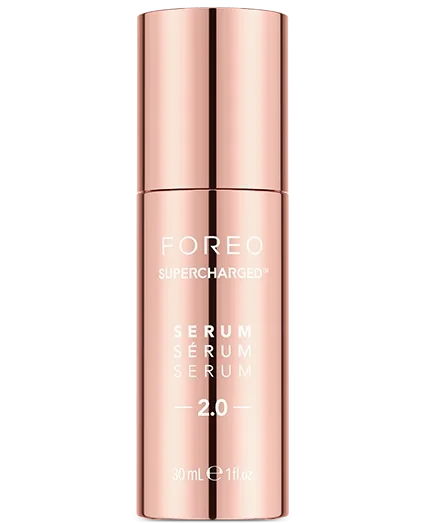
SUPERCHARGED Serum 2.0
If you’re dealing with breakouts, consider incorporating a targeted treatment like ESPADA 2 into your evening routine. The combination of a nourishing primer and an effective acne treatment can help you achieve clearer, healthier-looking skin.
- Tip: Use FAQ P1 as a moisturizer-primer hybrid to simplify your morning routine.
Choosing between FAQ P1 and a traditional primer ultimately comes down to your skin’s needs and your makeup goals. If you want a primer that not only preps your face but also nourishes it, FAQ P1 is a standout choice. Its Manuka honey formula offers hydration, protection, and a natural glow that silicone primers can’t match. Explore the FAQ P1 Manuka Honey Primer today and experience the difference for yourself.