Quick Answer
Fatwood lights faster and burns hotter than pine kindling because its resin content ignites with a single match, making it the best natural fire starter when speed matters. Pine kindling takes longer to catch but delivers a longer, steadier burn that helps larger logs take off. For most wood stoves, start with fatwood to get flames fast, then feed pine kindling to build a coal bed.
How Fatwood and Pine Kindling Actually Differ
Fatwood is resin-rich heartwood from pine stumps. The resin makes it ignite quickly and burn hot, so it works like a natural accelerant without chemicals. Pine kindling is simply small-diameter pine branches or split pieces with lower resin content. It needs more surface area and a bit more flame contact to catch, but once lit it burns longer and produces a steadier heat.
That difference matters in practice: fatwood is a fire starter, while pine kindling is a bridge fuel. You use fatwood to create the initial flame, then switch to kindling to grow the fire before adding full-size logs.
Lighting a Wood Stove: A Simple Two-Stage Method
Place one or two fatwood sticks at the base of your stove, crisscross a handful of pine kindling above them, and light the fatwood. The resin catches immediately and the kindling follows. Once the kindling is burning steadily, add your main logs. This sequence uses the fast ignition of fatwood and the sustained burn of kindling together, so you spend less time coaxing a stubborn fire.
If you are working with damp kindling or a cold flue, add an extra fatwood stick. The higher heat output helps drive moisture off the kindling and establishes draft faster.
Cedar Fire Starters and Other Natural Options
Cedar is another natural fire starter worth considering. It is not as resin-heavy as fatwood, but it lights readily and smells pleasant, which makes it a good choice for fire pits and open fireplaces. Cedar splits easily into fine tinder, so you can use it as a stepping stone between fatwood and pine kindling if you want a slower, more controlled build.
The trade-off is that cedar burns faster than pine kindling and does not produce the same long-lasting coal bed. For a wood stove that needs overnight heat, pine kindling and seasoned hardwood logs remain the better base.
What to Look for in Fatwood Sticks and Pine Kindling
Fatwood sticks should feel heavy for their size and smell strongly of pine resin. Avoid pale, dry sticks that feel light, as they have less resin and will not light as reliably. Pine kindling should be dry, with visible cracks and loose bark. If it bends instead of snapping, it still holds moisture and will smoke more than it burns.
For storage, keep both in a dry crate near your stove. Fatwood lasts indefinitely if kept dry, while pine kindling can absorb humidity and lose its quick-lighting edge within a few weeks in damp conditions.
Trade-Offs: Fatwood vs. Pine Kindling
- Ignition Speed: Fatwood lights with a single match due to its high resin content; pine kindling usually needs a flame held to it for several seconds or a bed of embers. Choose fatwood when you want a fire going in under a minute.
- Burn Duration: Pine kindling burns longer and produces a steadier coal bed; fatwood burns hot and fast, often gone within a few minutes. Use pine kindling to sustain the fire after the initial ignition.
- Moisture Tolerance: Fatwood resists moisture better because of its resin, while pine kindling loses effectiveness quickly if stored in damp conditions. Keep kindling indoors or in a sealed container; fatwood is more forgiving in a shed.
- Cost and Availability: Pine kindling is often free if you split your own firewood; fatwood is a purchased product but requires no processing. If you have a woodlot, kindling saves money; if you want convenience, fatwood is worth the cost.
Greenes Fence Products That Help You Store and Manage Firewood
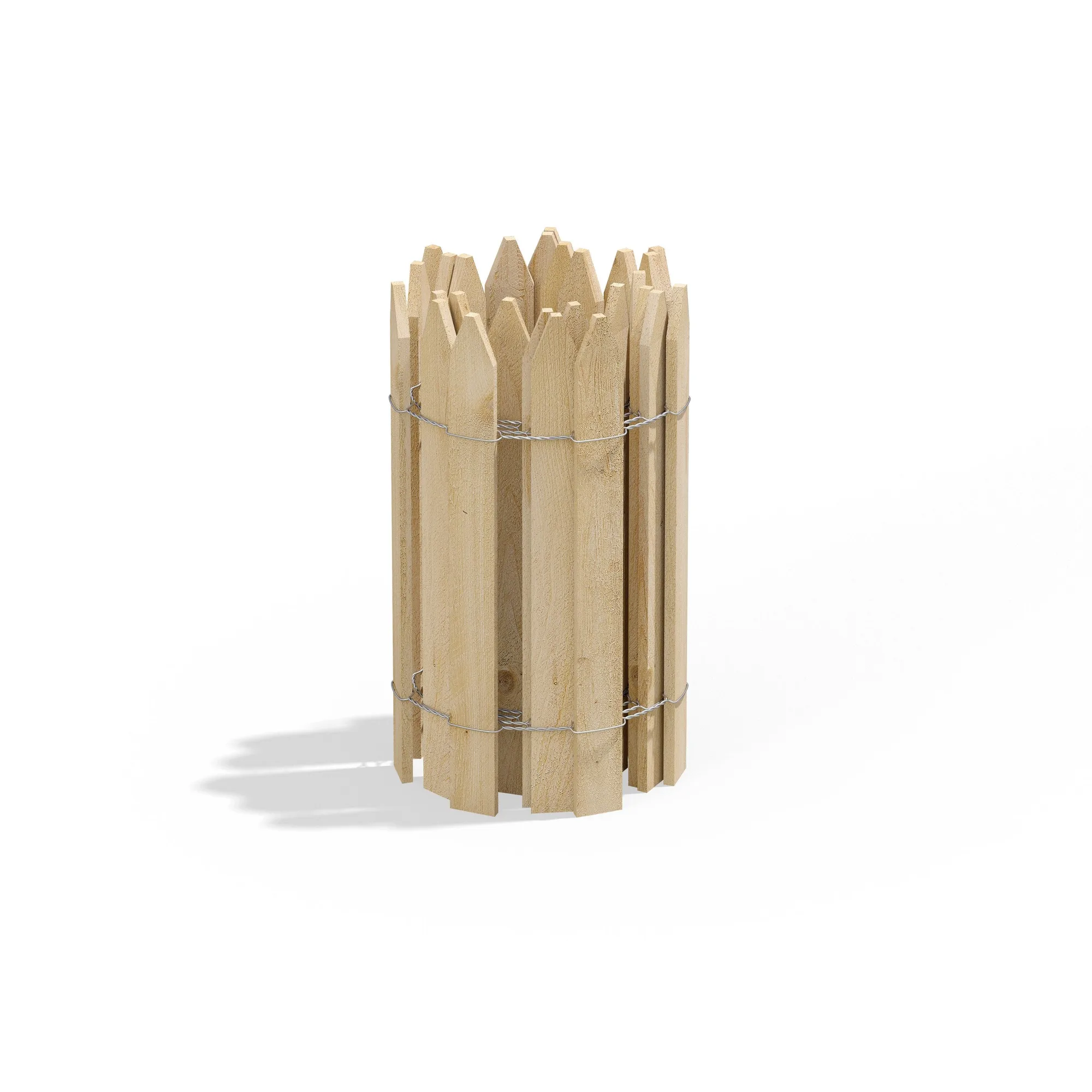
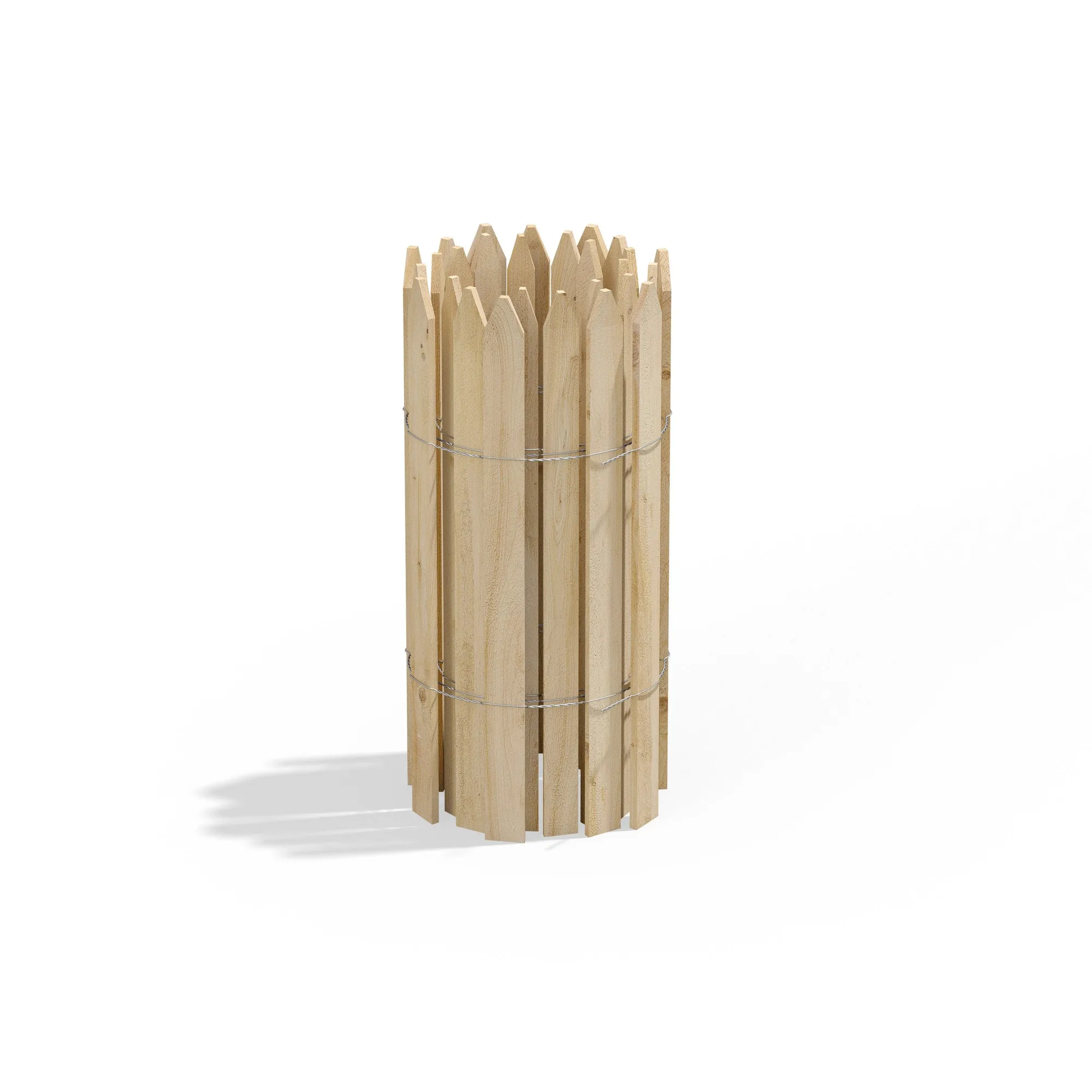
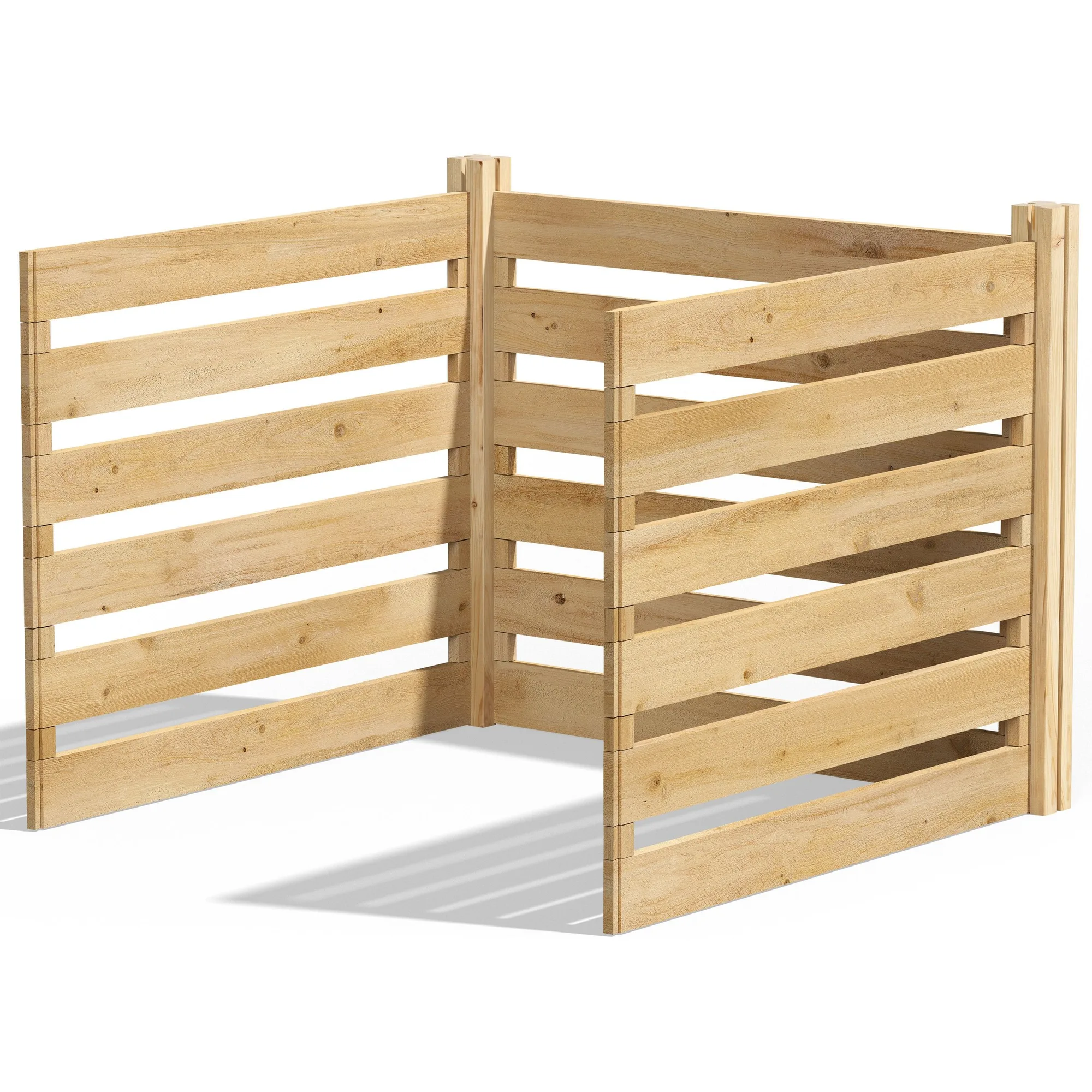
- Cedar Wooden Garden Picket Fence in Natural Cedar or White with Cedar Stake Installation System 8 ft x 16 in RC28CS RC28WS: Cedar Wooden Garden Picket Fence in Natural Cedar or White with Cedar Stake Installation System, 8 ft x 16 in, made from 100% natural cedar with rot and insect resistance. You can use this fencing to build a simple drying rack or storage bin for fatwood and kindling, keeping them dry and ready for the stove.
- Natural Cedar Garden Picket Fence with Cedar Stake Installation System – 15 ft × 2 ft (Rolled) 2-Pack RC14CS-2PK: Natural Cedar Garden Picket Fence with Cedar Stake Installation System – 15 ft × 2 ft (Rolled) 2-Pack, flexible and utilitarian for gardens, landscapes, and lawns. The rolled format makes it easy to create a curved or temporary firewood storage area without permanent construction.
Which Should You Choose?
Choose Fatwood If:
- You want the fastest, most reliable ignition with minimal effort.
- You frequently light fires in cold or damp conditions.
- You prefer a natural fire starter that works without paper or chemicals.
Choose Pine Kindling If:
- You need a longer, sustained burn to build a coal bed for larger logs.
- You have access to free or low-cost pine and don't mind preparing it.
- You are burning in a wood stove where a steady, controlled fire is more important than speed.