Quick answer
Choose a feed and hay block like Vitamunch Heavenly Hedgerow or Litemunch when you want a low-sugar, high-fibre forage that your horse can nibble directly from the ground or a bowl, especially for stabled horses needing longer chew time. Choose a Munch Net when you want to hang a block to prolong eating, reduce mess, and use it in a stable, lorry, or trailer. Many owners combine both: a block for nutrition and a net for enrichment.
How feed and hay blocks work
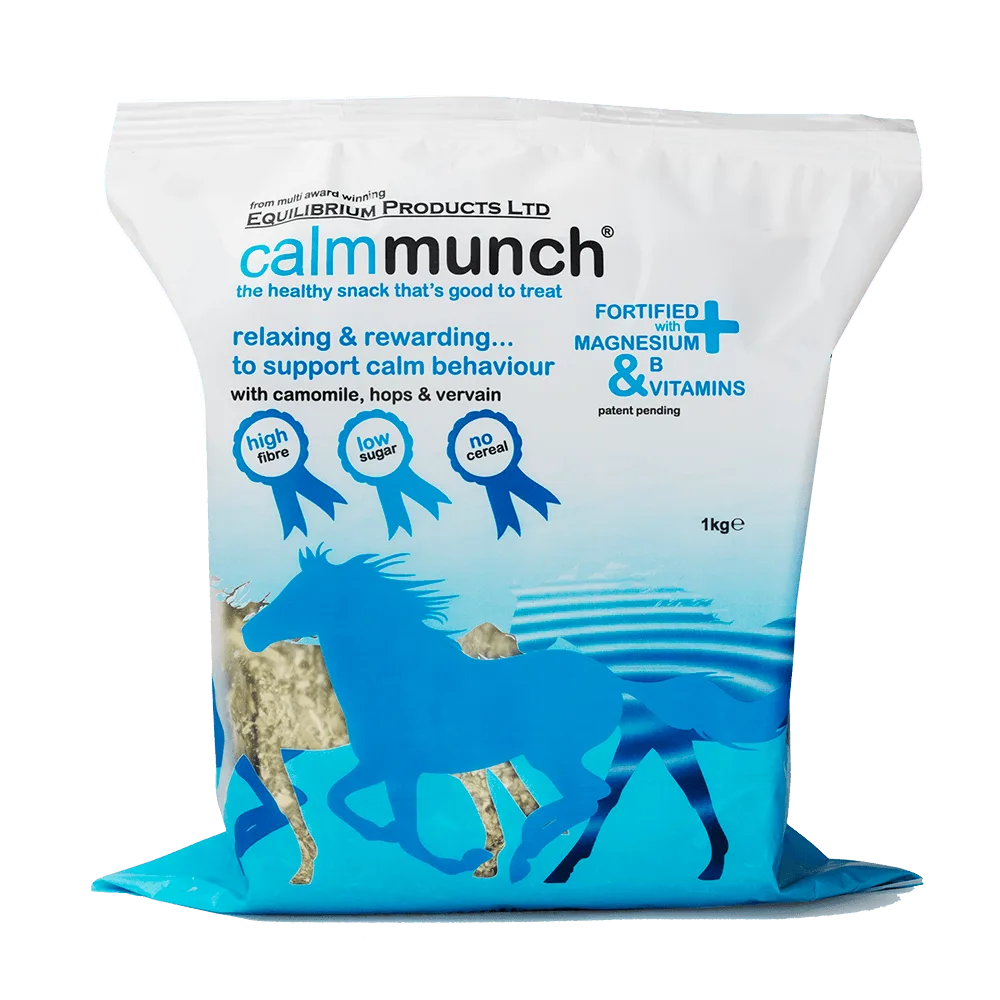
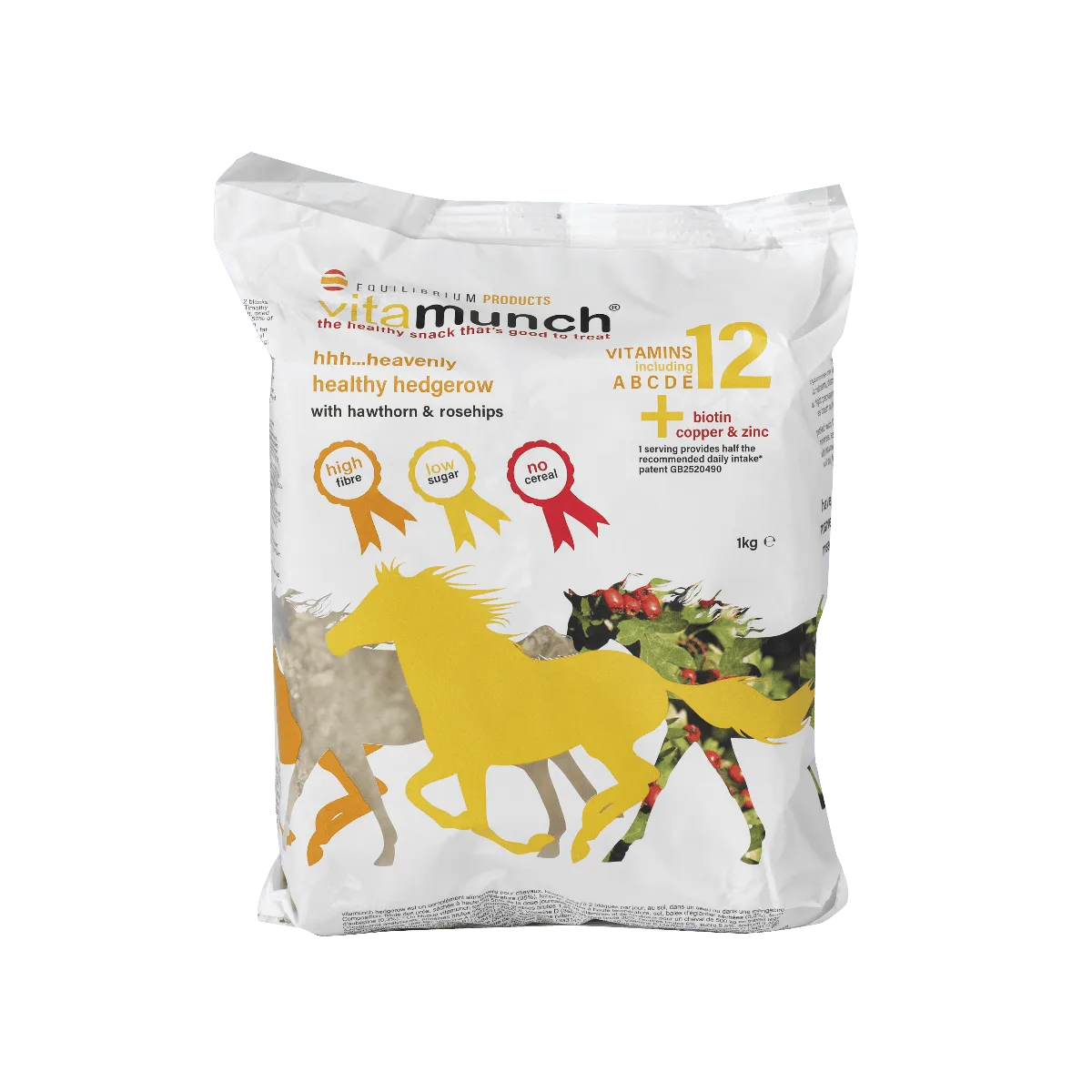
Feed and hay blocks are compressed fibre products designed to be eaten slowly. They typically contain high fibre and low sugar, with added vitamins and minerals. You can place them on the floor or in a feed bowl. Because they are solid, your horse must chew and break them down, which extends eating time and helps combat boredom. For example, Vitamunch Heavenly Hedgerow is a 1kg block with herbs like rosehips and hawthorn, while Litemunch is a 1kg block enriched with lucerne and spearmint and now with even less sugar. Both are low in sugar and high in fibre, making them suitable for horses needing restricted sugar intake.
How munch nets change the feeding equation
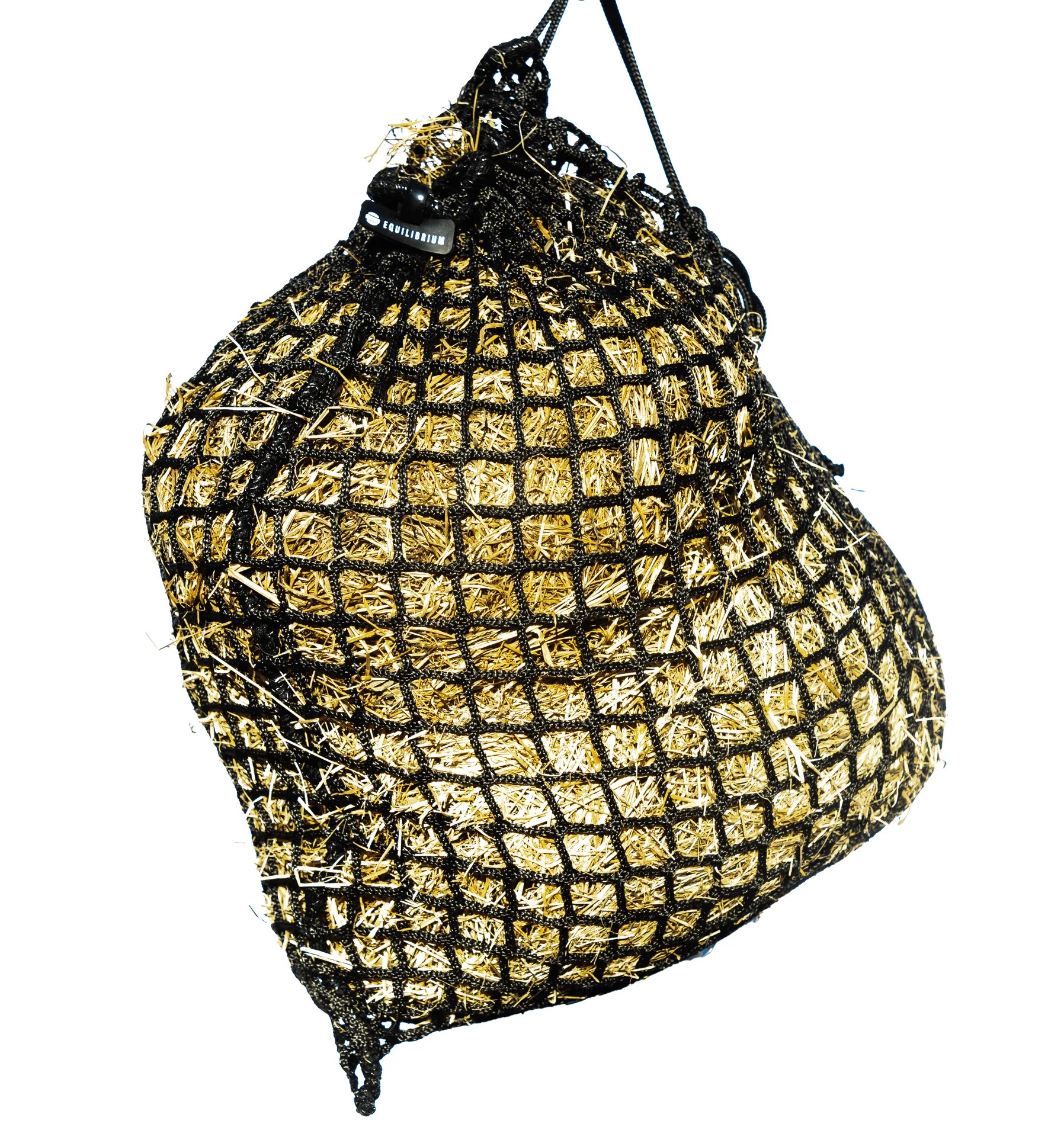
A munch net is a specially designed net that holds a 1kg munch block. You hang it in the stable, lorry, or trailer. The net adds a layer of difficulty: your horse must pull the block through the net, which slows eating further and prolongs the activity. The Munch Net is also useful when your horse is tied up for the farrier, vet, physio, or grooming, keeping them occupied. It reduces the risk of the block being kicked around or soiled, and it can be used with any 1kg munch block.
Key differences that affect your choice
The main trade-off is between simplicity and extended enrichment. A block alone is easy: unwrap, place, and go. A net requires hanging and filling, but it typically makes the block last longer and adds physical activity. Blocks are ideal for horses that eat too quickly or need extra vitamins and minerals; nets are ideal for horses that need more time occupied, especially in confined spaces. Consider your horse's chewing style: a greedy eater may benefit from the net's slowing effect, while a horse that gets frustrated easily may prefer the block directly.
Practical setup and safety
Always hang a munch net at a safe height, ideally at chest level or lower, to avoid legs getting caught. Use a quick-release knot or a breakaway tie. Check the net regularly for wear. For blocks, place them on a clean, non-slip surface. If your horse is shod, avoid leaving a block directly under hooves. Monitor your horse initially to ensure they understand how to use the net. Both options should be introduced gradually, especially if your horse is not used to slow feeding.
Trade-offs at a glance
- Convenience vs. engagement: A block is ready to use immediately with no setup; a munch net requires hanging and filling but adds a layer of activity that can occupy your horse for longer. Choose based on how much time you have and how much enrichment your horse needs.
- Cleanliness vs. mess: Blocks placed on the floor can be kicked around and soiled; a net keeps the block off the ground and contained, reducing waste. If your horse is messy, a net may save on waste.
- Cost and longevity: A block alone may be eaten faster; a net typically makes the block last longer, so you may use fewer blocks over time. Consider the net as an investment that can extend the value of each block.
Product facts
- Vitamunch Heavenly Hedgerow: Vitamunch Heavenly Hedgerow is a 1kg high fibre, low sugar fibre block packed with herbs, rosehips, hawthorn, vitamins, and minerals. Provides nutritional support and foraging enrichment for stabled horses, with low sugar suitable for good doers.
- Litemunch: Litemunch is a 1kg high fibre, low sugar fibre block enriched with lucerne and spearmint, now with even less sugar. Offers a palatable option for horses needing low sugar intake while supporting digestive health and combating boredom.
- Munch Net: Munch Net is specially designed to hold a 1kg munch block, can be hung in the stable, lorry, or trailer, and prolongs eating. Extends block use, reduces mess, and provides enrichment during travel, farrier visits, or grooming.
Which should you choose?
Best for
- Horses that need extra vitamins and minerals in a low-sugar form
- Owners wanting a quick, no-fuss boredom breaker
- Stabled horses that eat too quickly and need slower consumption
Not for
- Horses that get frustrated easily with hanging feeders
- Owners who cannot hang a net safely in their stable or trailer
- Horses on a strictly controlled diet where every calorie must be measured