Your Fenix flashlight is built to withstand harsh conditions, but even the toughest gear needs regular care. The O-rings and lubrication are the unsung heroes that keep your light waterproof and operating smoothly. Without proper maintenance, dust, moisture, and wear can compromise the seals, leading to performance issues or even failure when you need it most.
In this guide, we'll cover when to replace O-rings, how to lubricate your flashlight, and provide a simple maintenance schedule to keep your Fenix in top shape for years to come.
Why O-Rings Matter for Fenix Flashlights
O-rings are rubber seals that prevent water, dust, and debris from entering the flashlight's internal components. They are critical for maintaining the IP68 waterproof rating that many Fenix lights boast. Over time, O-rings can dry out, crack, or become deformed due to temperature changes, exposure to chemicals, or simple wear and tear.
When O-rings fail, your flashlight may no longer be waterproof, and moisture can damage the battery, electronics, or LED. Regular inspection and timely replacement are essential to preserve the integrity of your light.
- Check O-rings every 3-6 months for signs of damage or wear.
- Replace O-rings immediately if you notice cracks, tears, or loss of elasticity.
Signs Your O-Rings Need Replacement
How do you know when it's time to replace the O-rings on your Fenix flashlight? Look for these common indicators: visible cracks or nicks, a flattened or compressed shape, or a sticky or gummy texture. If the O-ring no longer fits snugly in its groove, it's time for a new one.
Another sign is if you see moisture inside the lens or battery compartment after use in wet conditions. This indicates a seal failure. Additionally, if you notice increased resistance when twisting the tail cap or head, it may be due to a damaged O-ring that is not sliding smoothly.
For models like the Fenix HM65R V2.0 Rechargeable Headlamp, the O-rings around the battery compartment are crucial for maintaining its IP68 rating. Regularly inspect them to ensure your headlamp remains waterproof during heavy rain or sweaty hikes.
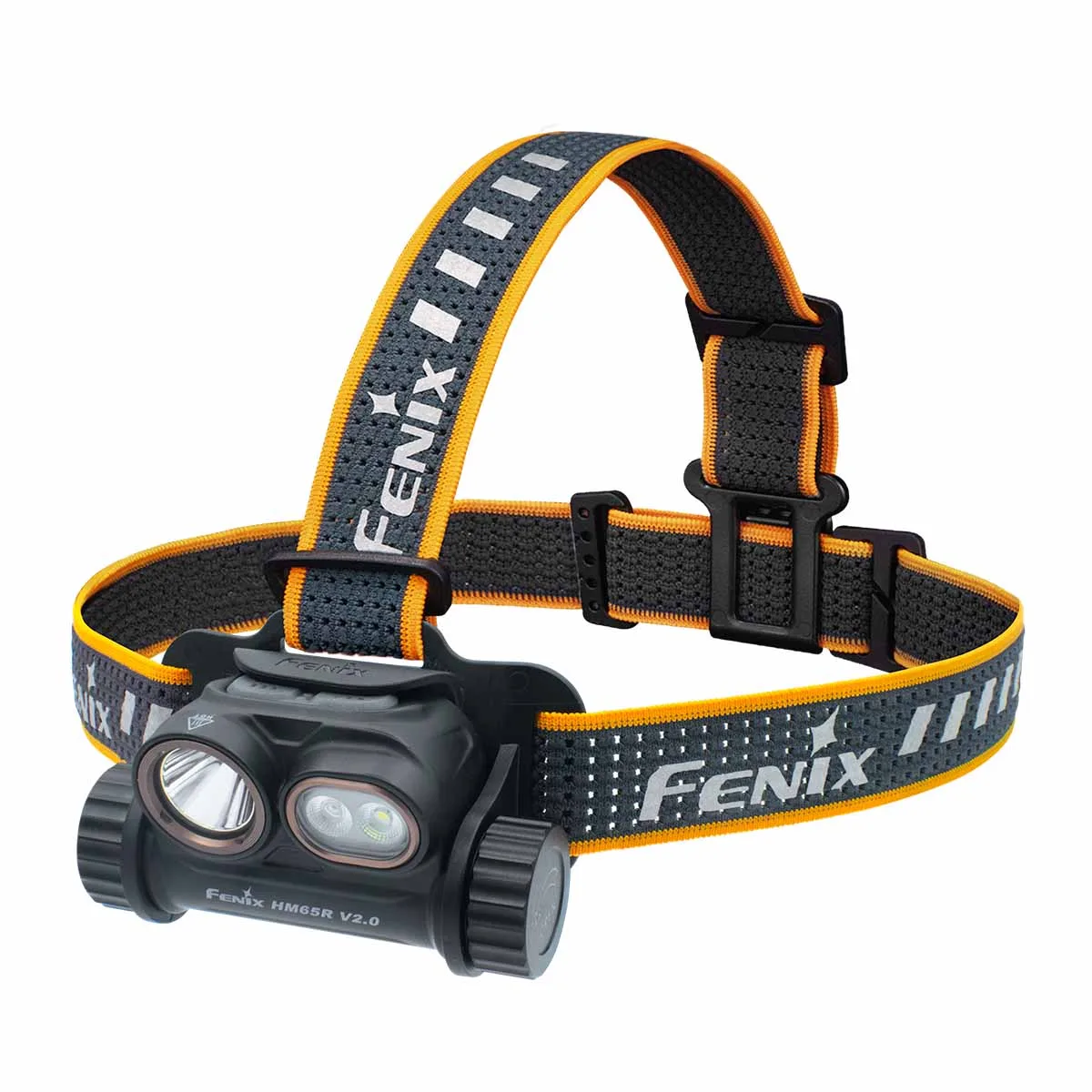
Fenix HM65R V2.0 Rechargeable Headlamp
- Perform a visual inspection of O-rings before and after extended trips.
- If you see any of these signs, replace the O-ring before your next adventure.
How to Lubricate Your Fenix Flashlight
Lubrication is essential for smooth operation and to keep O-rings supple. Use a silicone-based lubricant specifically designed for O-rings. Apply a thin, even layer to the O-ring and the threads of the flashlight. Avoid petroleum-based products, as they can degrade rubber over time.
To lubricate, first remove the tail cap and any O-rings. Clean the O-rings with a soft cloth to remove old grease and debris. Apply a small amount of lubricant to your finger or a cotton swab and coat the O-ring thoroughly. Reinstall the O-ring and apply a light film of lubricant to the threads. Reassemble the flashlight and twist the parts to distribute the lubricant evenly.
For flashlights like the Fenix HL60R USB Rechargeable Headlamp, proper lubrication of the battery cap threads ensures a tight seal and easy access to the battery compartment. Regular lubrication also prevents the threads from seizing due to corrosion.
- Lubricate your flashlight every 3-6 months or after cleaning with water.
- Always use a high-quality silicone grease, not petroleum jelly.
Maintenance Schedule for Fenix Flashlights
A consistent maintenance routine will extend the life of your Fenix flashlight and keep it performing reliably. Here's a simple schedule to follow:
Monthly: Inspect the flashlight for any visible damage, clean the exterior with a dry cloth, and check that the tail cap and head are tight.
Quarterly: Remove the tail cap and inspect the O-rings for wear. Clean and lubricate the O-rings and threads. Test the flashlight to ensure it turns on and off smoothly.
Annually: Perform a deep clean. Disassemble the flashlight completely, clean all components, and replace the O-rings if they show any signs of aging. Check the battery contacts for corrosion and clean them with a cotton swab and rubbing alcohol if needed.
Following this schedule will keep your Fenix flashlight in optimal condition, whether it's a daily carry or an emergency backup.
- Set a reminder on your phone to perform quarterly maintenance.
- Store spare O-rings and lubricant in your gear bag for on-the-go maintenance.
Choosing the Right O-Rings and Lubricant
When replacing O-rings, it's crucial to use the correct size and material. Fenix flashlights typically use silicone or nitrile O-rings. You can find replacement O-rings from Fenix or reputable third-party suppliers. Check your flashlight's manual for the exact size or contact customer support.
For lubrication, choose a silicone-based grease that is compatible with rubber. Many flashlight enthusiasts recommend products like Super Lube or Nyogel 760G, but any high-quality silicone grease will work. Avoid products with petroleum distillates, as they can cause O-rings to swell and fail.
If you own multiple Fenix lights, consider purchasing a multi-pack of O-rings in various sizes to have on hand. This ensures you're always prepared for a quick replacement.
- Keep a small kit with assorted O-rings and a tube of silicone grease.
- When in doubt, contact Fenix customer service for O-ring specifications.
Proper O-ring care and lubrication are simple yet vital aspects of Fenix flashlight maintenance. By inspecting and servicing your light regularly, you'll ensure it remains waterproof and reliable for years. Whether you're using a headlamp like the Fenix HM65R V2.0 or a handheld flashlight, a little maintenance goes a long way. For all your Fenix accessories and spare parts, visit our store to find genuine O-rings and lubricants designed for your specific model.