When the sun goes down, a reliable lantern can make all the difference—whether you're camping under the stars, preparing for a power outage, or simply enjoying a cozy evening on the patio. But with so many options available, how do you choose the right one? This Fenix lantern buying guide breaks down the key factors to consider, helping you select a lantern that fits your specific needs for camping and home use.
Fenix is known for high-performance lighting, and their lanterns are no exception. From compact models that slip into a backpack to powerful beacons that can illuminate an entire campsite, there's a Fenix lantern for every scenario. By understanding brightness, battery life, size, and additional features, you'll be equipped to make an informed decision.
Brightness: Lumens and Beam Patterns
The most critical specification of any lantern is its brightness, measured in lumens. For camping, you typically want a lantern that can output at least 200-300 lumens to light up a tent or a small cooking area. For larger spaces like a campsite or a room during a power outage, look for models with 500 lumens or more. Fenix lanterns often offer multiple brightness levels, allowing you to adjust the output to conserve battery or to create a cozy ambiance.
Beam pattern matters too. Some lanterns provide 360-degree illumination, making them ideal for hanging from a tent ceiling or a tree branch. Others have a directional beam, which can be useful for task lighting. Consider where you'll place the lantern and how much area you need to cover. A lantern with a diffuser or adjustable beam can offer the best of both worlds.
- Check the maximum lumen output and compare it to your typical use case.
- Look for lanterns with multiple brightness modes for flexibility.
- Consider a lantern with a 360-degree beam for even illumination in tents or rooms.
Battery Life and Power Sources
Battery life is another crucial factor, especially for camping trips where you may not have easy access to charging. Fenix lanterns come with various power options: some use standard AA or AAA batteries, which are easy to find, while others have built-in rechargeable batteries that can be charged via USB. Rechargeable models are more cost-effective and environmentally friendly in the long run, but you'll need to plan for charging during longer trips.
Pay attention to runtime at different brightness levels. A lantern might offer 100 hours on low but only 5 hours on high. If you anticipate needing maximum brightness for extended periods, choose a model with a higher-capacity battery or the ability to use external power banks. Some Fenix lanterns also feature battery indicators, so you can monitor remaining power and avoid unexpected darkness.
- Decide between disposable and rechargeable batteries based on your usage.
- Check runtime at the brightness level you'll use most often.
- Look for lanterns with a battery level indicator to avoid surprises.
Size, Weight, and Portability
For camping and hiking, portability is key. A compact lantern that fits easily into your backpack or even your pocket is ideal. Fenix offers lanterns that are lightweight and collapsible, making them easy to pack. On the other hand, if you're using the lantern primarily at home or for car camping, size and weight become less critical, and you can opt for a larger model with more features.
Think about how you'll carry the lantern. Does it have a handle or a hook for hanging? Is it durable enough to withstand being tossed into a bag? Look for features like impact resistance and water resistance, which are essential for outdoor use. A lantern that can survive a drop or a rain shower will last longer and give you peace of mind.
- Consider a compact or collapsible design for backpacking.
- Check for a carrying handle or hanging hook for versatile placement.
- Ensure the lantern is impact and water-resistant for outdoor reliability.
Additional Features to Enhance Your Experience
Modern lanterns come with a variety of extra features that can improve usability. For example, some Fenix lanterns include a red light mode, which is useful for preserving night vision in a campsite or for signaling. Others have a dimming function that allows you to adjust brightness smoothly, or a strobe mode for emergencies.
A power bank feature can be a lifesaver, allowing you to charge your phone or other devices from the lantern's battery. This is particularly valuable during camping trips or power outages. Also, consider the user interface: a simple button operation is often more reliable than a complex menu, especially when you're fumbling in the dark.
- Look for a red light mode for night vision preservation.
- Consider a lantern with a power bank function to charge your devices.
- Choose a lantern with intuitive controls for ease of use.
Choosing the right Fenix lantern involves balancing brightness, battery life, portability, and extra features. By considering these factors, you can find a lantern that meets your needs for both camping adventures and home emergencies. Whether you prefer a compact model for backpacking or a powerful lantern for basecamp, Fenix has a solution. Explore the Fenix CL22R Rechargeable Lantern for a versatile option that combines excellent brightness, long runtime, and a compact design—perfect for your next trip or power outage.
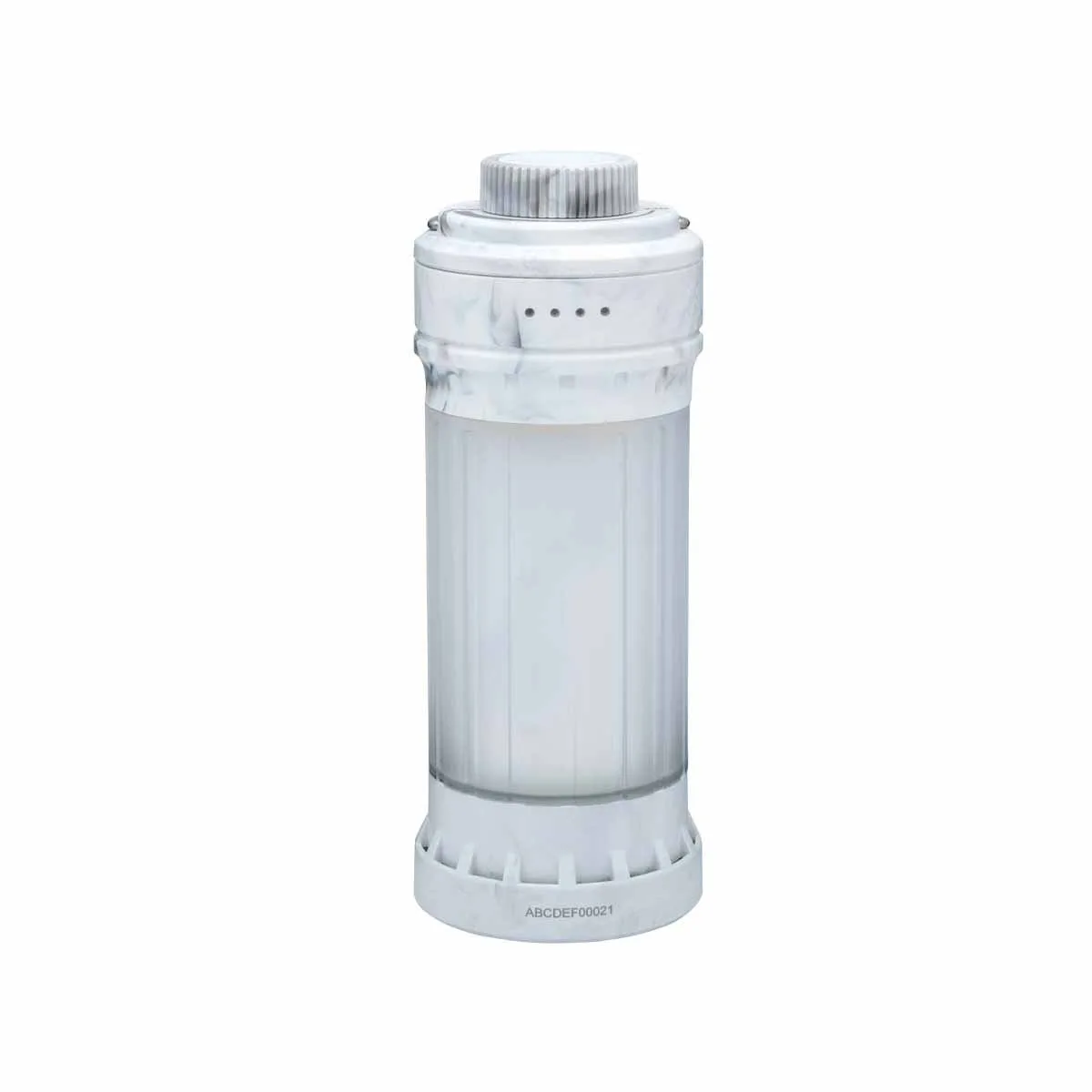
Fenix CL22R Rechargeable Lantern