When you're heading out on a camping trip or a weekend adventure, your lantern is one of the most essential pieces of gear you'll pack. It lights up your campsite, cooks your meals, and guides you through the dark. But if you're not careful, the journey to your destination can do more harm than the elements you're trying to conquer. Bouncing in a trunk, sliding around in a backpack, or being crushed under heavier equipment can lead to cracked lenses, bent switches, and broken clips.
In this guide, we'll show you how to store and transport your Fenix lantern safely, so it arrives ready to shine. From choosing the right case to prepping the batteries, these tips will keep your lantern in top shape for years of reliable use.
Why Proper Lantern Storage Matters
Fenix lanterns are built to withstand rugged conditions, but they're not indestructible. The delicate components—like the lens, the LED, and the electronic circuits—can be damaged by sudden impacts, excessive pressure, or moisture. When you're traveling, your lantern is exposed to all these risks. A simple drop onto a hard surface can crack the lens, and a leaky battery can corrode the contacts, rendering your lantern useless.
Proper storage not only protects your investment but also ensures that your lantern is ready to use when you need it most. Whether you're a seasoned camper or a weekend warrior, taking a few extra minutes to pack your lantern correctly can save you from a dark and frustrating night.
- Prevents physical damage from impacts and crushing
- Protects against moisture and dust
- Avoids battery corrosion and leakage
- Keeps the lens clean and scratch-free
Choosing the Right Storage Case
The first step to safe lantern travel is selecting an appropriate case. While the original packaging may be sturdy, it's not designed for repeated use. A dedicated hard case with foam inserts provides the best protection. Look for a case that fits your lantern snugly, with enough room for padding. If you don't have a hard case, a padded pouch or even a thick sock can offer basic protection.
When choosing a case, consider the size of your lantern. For example, the Fenix CL22R is a compact lantern that can easily fit in a small padded case or even a backpack pocket designed for electronics. For larger lanterns, you may need a bigger case. Remember, the goal is to prevent the lantern from moving around and absorbing shocks.
- Hard cases with foam inserts offer maximum protection
- Padded pouches or DIY solutions like socks work for short trips
- Ensure the case is slightly larger than the lantern to allow for padding
Packing Your Lantern for Travel
Once you have a case, the next step is packing your lantern correctly. Start by removing any removable parts, such as the diffuser or the battery magazine. Wrap the lantern in a soft cloth or bubble wrap to prevent scratches and provide cushioning. Place it in the case with the lens facing upward to avoid pressure on the glass.
If you're packing multiple items, don't place heavy objects on top of the lantern. Instead, position the lantern on top of softer gear or in a separate compartment. In a backpack, the top or side pockets are ideal spots. In a car, the trunk's side or a dedicated gear box works well.
- Remove batteries and diffusers before packing
- Wrap in soft cloth or bubble wrap
- Place lens-up to avoid pressure on the glass
- Avoid stacking heavy items on top of the lantern
Battery Care During Travel
Batteries are a common cause of lantern damage during travel. If you're using disposable batteries, remove them from the lantern before packing. This prevents accidental activation and reduces the risk of leakage. For rechargeable batteries, like the Fenix ARB-L18-1100P, ensure they are fully charged and store them in a separate battery case.
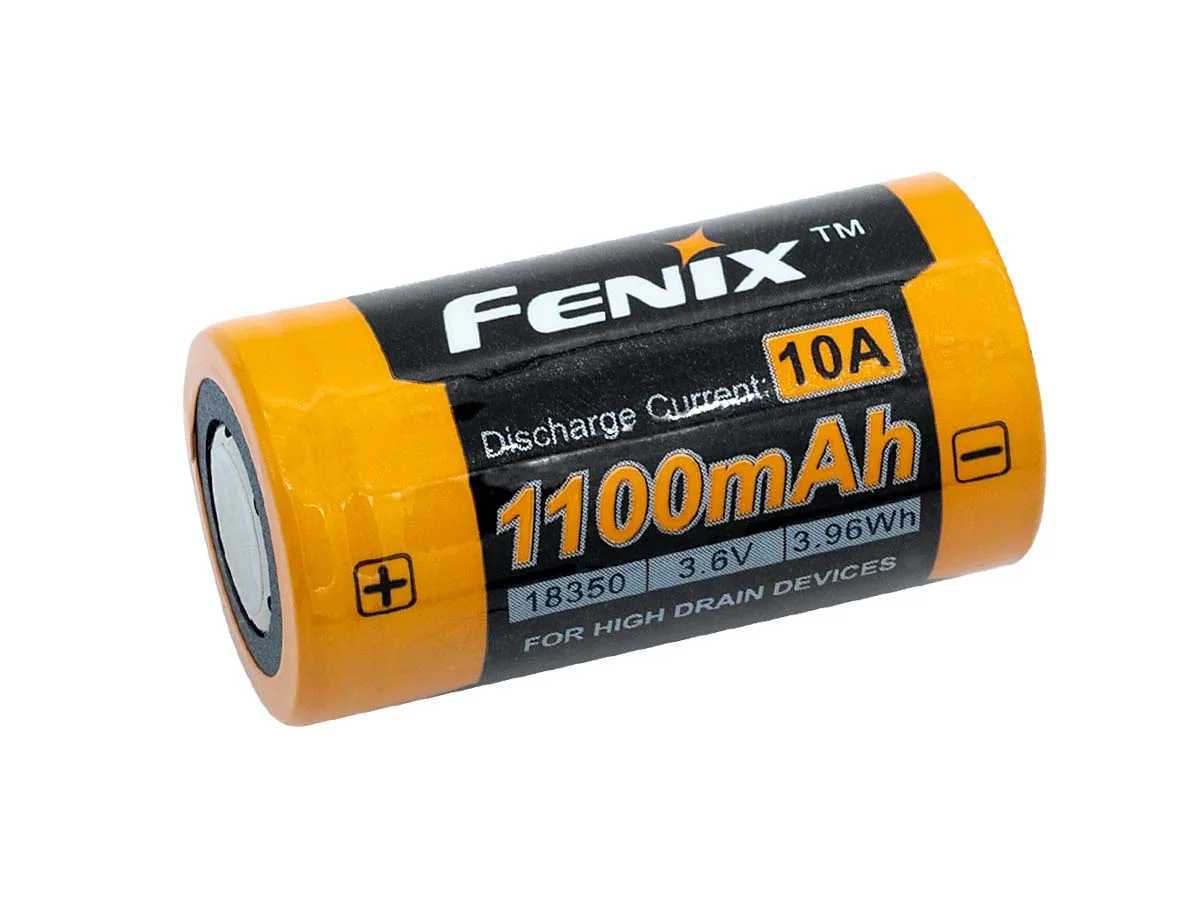
Fenix ARB-L18-1100P
If you must leave batteries in the lantern, make sure the lantern is turned off and locked to prevent accidental activation. Some lanterns have a lockout mode, which is perfect for travel. Additionally, avoid exposing the lantern to extreme temperatures, as this can affect battery performance and lifespan.
- Remove batteries if possible, especially for long-term storage
- Use a battery case for spare batteries
- Lock the lantern to prevent accidental activation
- Avoid extreme heat or cold
Protecting the Lens and Body
The lens is the most vulnerable part of your lantern. A scratch or crack can significantly reduce light output and beam quality. To protect it, always keep the lens covered when not in use. Many Fenix lanterns come with a protective cover or a diffuser that can double as a shield. If not, use a lens cap or a piece of foam.
The body of the lantern is also susceptible to scratches and dents. A silicone sleeve or a skin can provide extra grip and protection. When storing, ensure the lantern is clean and dry before placing it in the case. Any dirt or moisture can cause corrosion over time.
- Use lens covers or diffusers to protect the glass
- Consider a silicone sleeve for the body
- Clean and dry the lantern before storage
Storing Your Lantern at Home
Travel isn't the only time your lantern needs proper storage. At home, you should store your lantern in a cool, dry place, away from direct sunlight and extreme temperatures. Avoid storing it in a damp basement or a hot attic. If you're not using it for an extended period, remove the batteries to prevent corrosion.
For long-term storage, consider placing the lantern in a sealed plastic bag with a desiccant packet to absorb moisture. This is especially important if you live in a humid climate. By following these simple steps, you'll ensure your lantern is always ready for your next adventure.
- Store in a cool, dry place
- Remove batteries for long-term storage
- Use a desiccant packet to control humidity
- Keep out of direct sunlight
Traveling with your Fenix lantern doesn't have to be a risky endeavor. By investing in a good case, packing carefully, and taking care of the batteries, you can protect your lantern from damage and ensure it shines bright whenever you need it. Remember, a little prevention goes a long way. So next time you pack your gear, give your lantern the protection it deserves.