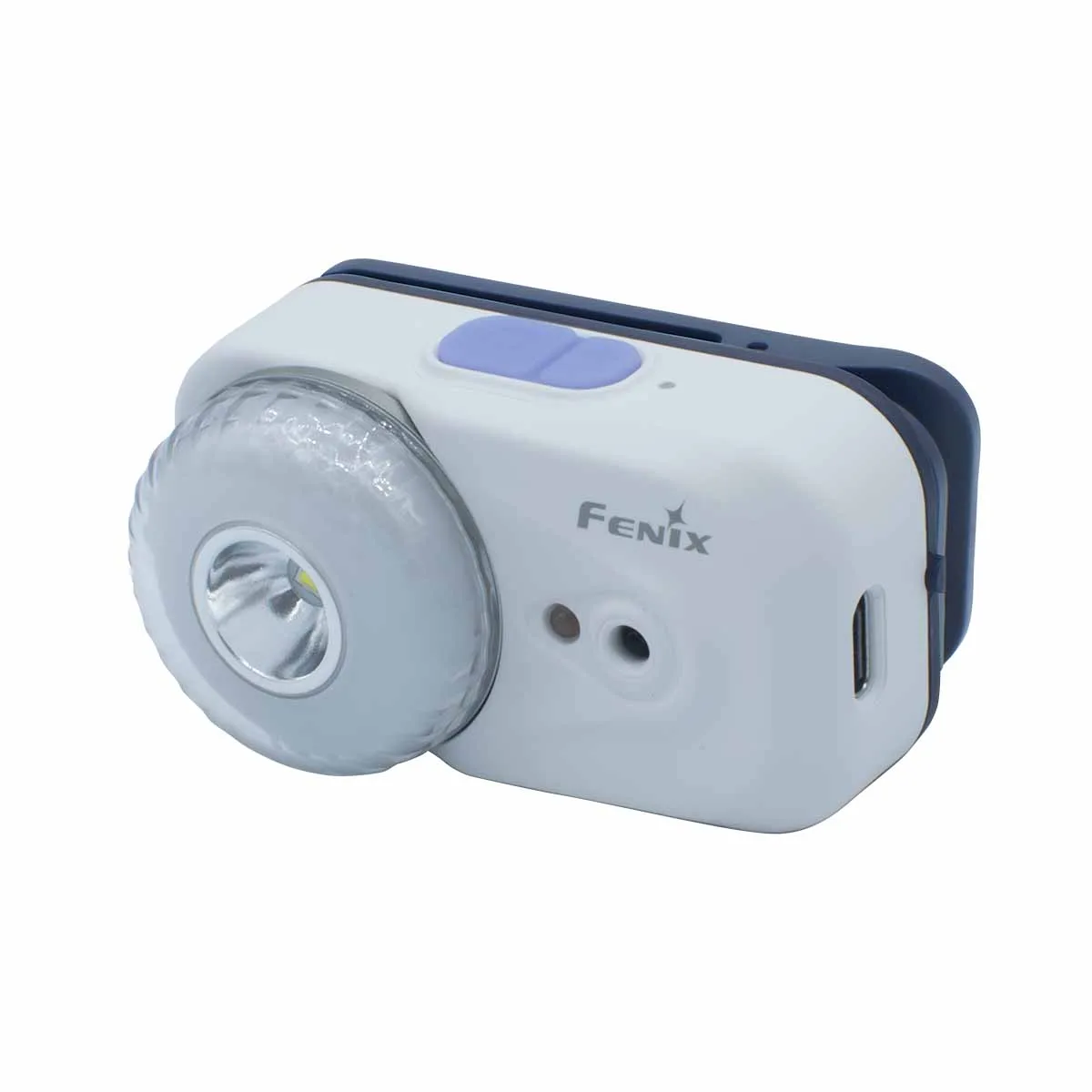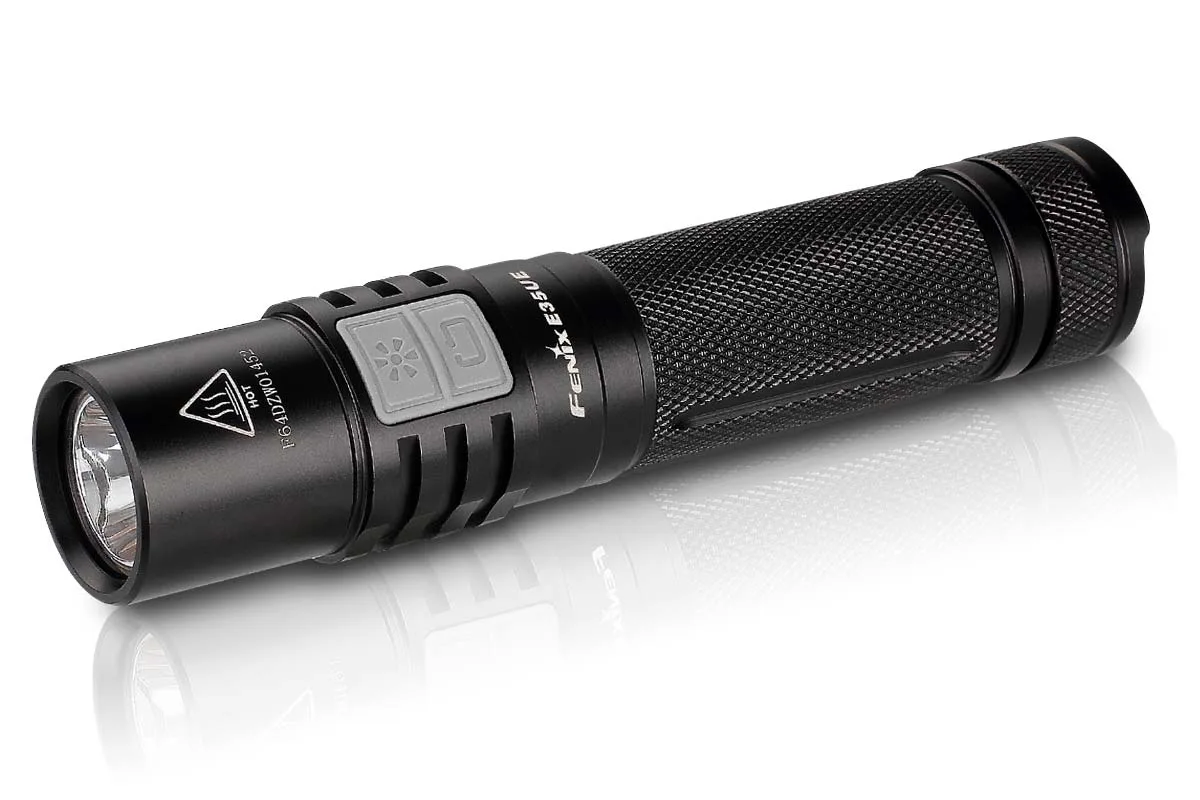
Quick answer
Choose a Fenix lantern when you need hands-free, 360-degree illumination for your campsite or tent. Choose a Fenix flashlight when you need a focused, long-range beam for hiking, spotting, or tactical use. Your decision depends on whether you prioritize ambient area lighting or a directed beam.
Ambient vs. Focused Light: The Core Difference
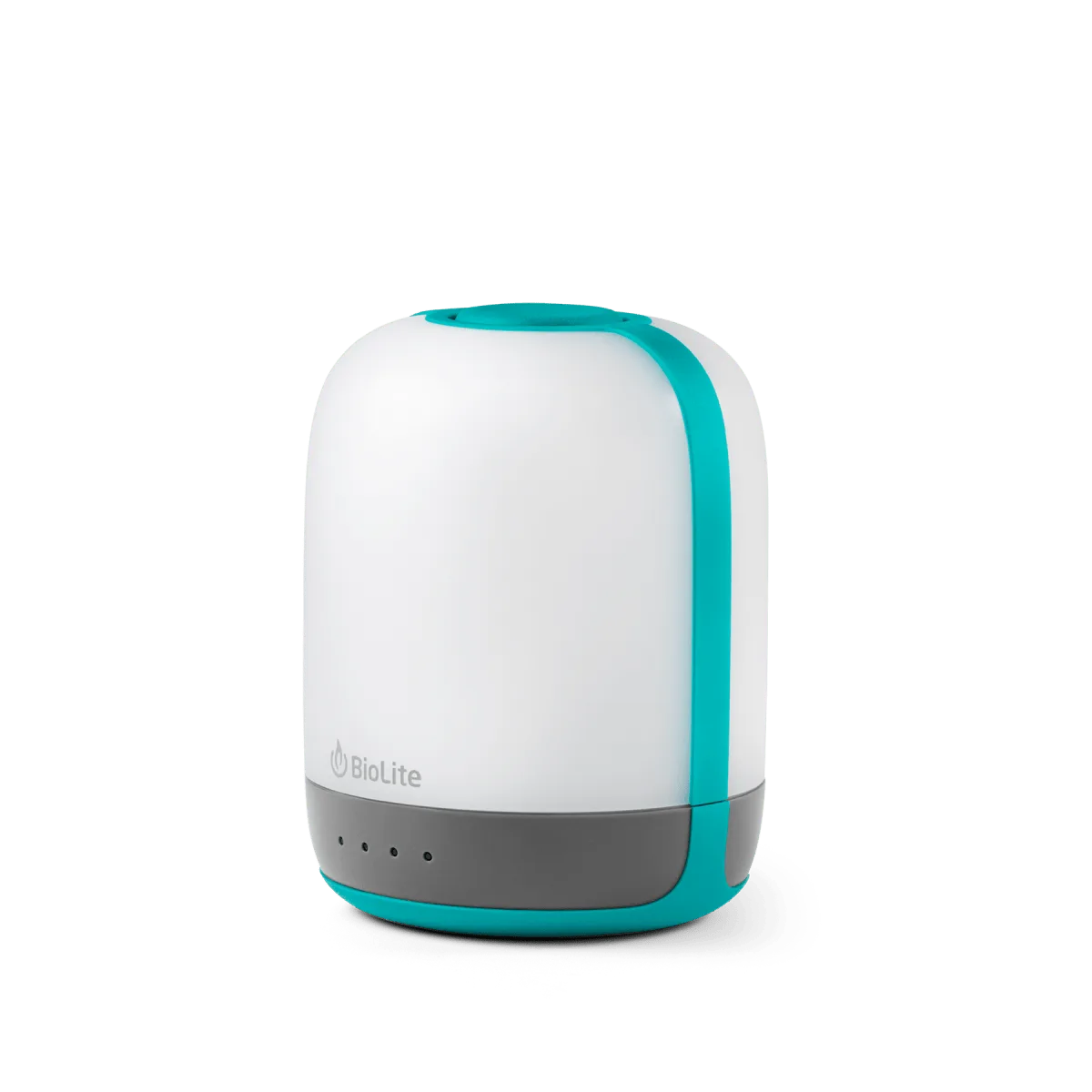
A lantern spreads light in all directions, turning your campsite into a well-lit space where you can cook, read, or socialize without shadows. A flashlight concentrates light into a forward beam, ideal for illuminating trails, finding gear in the dark, or signaling. For camping, you may need both, but understanding the trade-off helps you pack the right tool.
Fenix lanterns are designed to hang or sit on a table, providing even illumination across a wide area. Fenix flashlights, on the other hand, offer adjustable beams and higher lumen counts for distance. If you camp with a group or spend evenings at the site, a lantern is often the better primary light. If you hike, fish, or need to see far ahead, a flashlight is essential.
Battery Life and Power Source Considerations
Lanterns typically run on larger batteries or multiple cells to sustain longer burn times, while flashlights often use smaller, more portable batteries. Fenix flashlights like the TK22R use a rechargeable 21700 battery for high output, while lanterns may use D-cells or proprietary packs. Consider how long you'll be away from power and whether you can recharge on the go.
For a weekend trip, a flashlight with a spare battery may suffice. For a week-long base camp, a lantern with longer runtime or the ability to use common battery types is more practical. Always check the stated runtime at your intended brightness level, as running at max output drains batteries quickly.
Weight and Portability Trade-offs
Flashlights are generally more compact and lighter, making them easier to carry in a pocket or pack. Lanterns, even collapsible ones, take up more space and add weight. If you're backpacking, every ounce counts, so a flashlight might be the better choice. For car camping, the extra bulk of a lantern is less of a concern.
Some Fenix flashlights, like the FD40, can also function as a makeshift area light by bouncing the beam off a ceiling or reflective surface, but they won't match the even spread of a dedicated lantern. Consider your camping style and how much gear you're willing to carry.
Lantern vs. Flashlight: Key Trade-offs for Camping
- Light Coverage: Lanterns provide 360-degree ambient light, illuminating the entire campsite. Flashlights produce a concentrated beam for targeted tasks or distance viewing. Choose a lantern for group activities and a flashlight for solo tasks or navigation.
- Portability: Flashlights are smaller and lighter, fitting easily in a pocket or pack. Lanterns are bulkier and heavier, better suited for car camping or base camps. Backpackers should lean toward a flashlight; car campers can comfortably bring a lantern.
- Battery Life: Lanterns often have longer runtimes on lower settings, using larger batteries. Flashlights can drain quickly at high output but offer replaceable or rechargeable cells. For extended trips without power, a lantern with efficient low modes may be more reliable.
- Versatility: Some flashlights can double as area lights by bouncing off surfaces, but they lack the even spread of a lantern. Lanterns cannot produce a focused beam for distance. If you need both, consider carrying one of each, or a flashlight with a diffuser attachment.
Featured Fenix Lighting Options
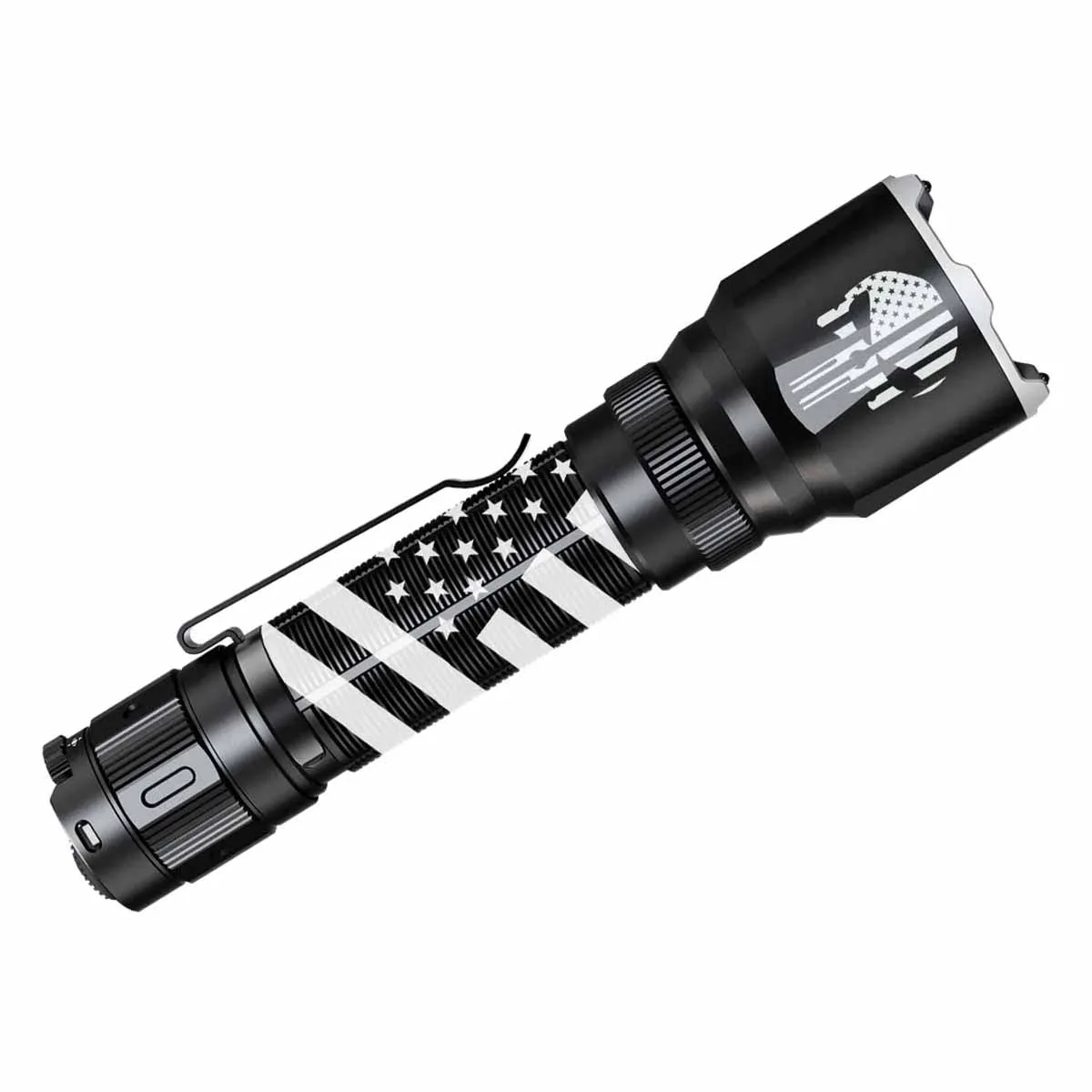
- Fenix TK22R Custom Engraved Flashlight: The Fenix TK22R Custom Engraved Flashlight delivers up to 3200 lumens with a beam distance of 1575 feet (480m). It features a FlexiSensa tactical switch with Tactical, Duty, and Lock Out modes, plus intelligent memory that recalls the last brightness setting. This flashlight excels when you need a powerful, focused beam for long-distance spotting or tactical scenarios. The multiple switch modes let you quickly adapt to different tasks, but it's not designed for ambient campsite lighting.
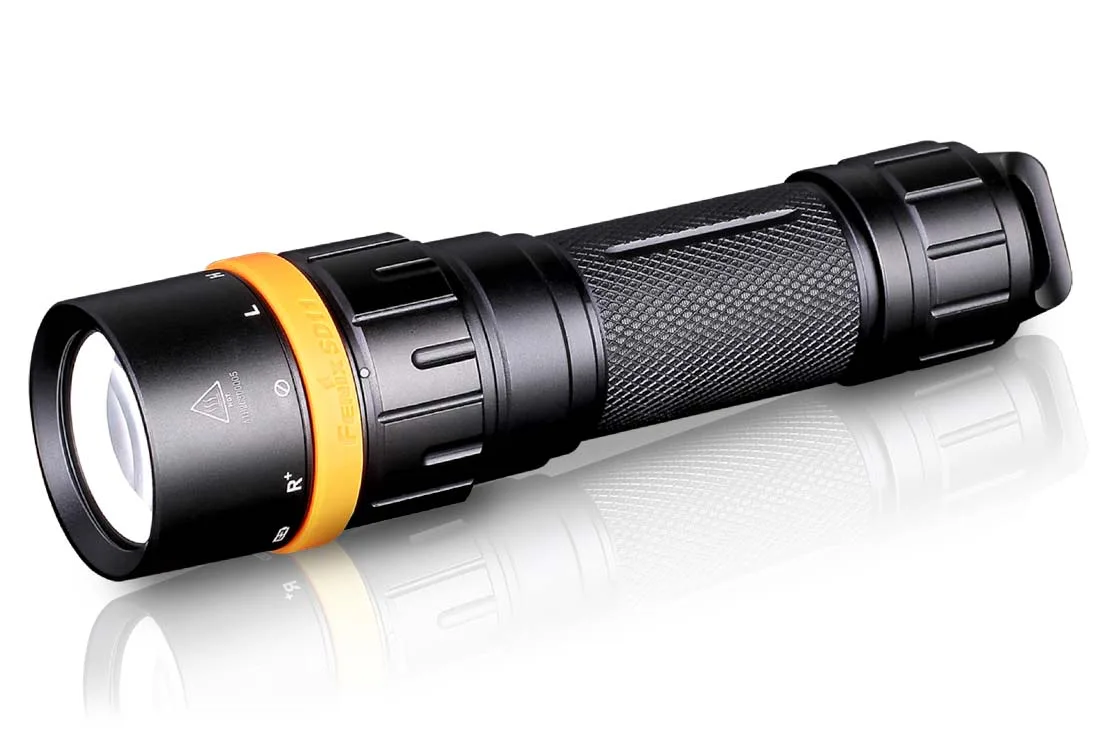
- Fenix SD11 Diving Flashlight - DISCONTINUED: The Fenix SD11 Diving Flashlight is designed for underwater photography and video. Its advanced R+ mode combines neutral white and red LEDs for better color rendering underwater, and it produces a soft, wide beam. While specialized for diving, the SD11's wide, soft beam and red-light mode can also be useful for nighttime camp tasks where preserving night vision is important. However, its beam is still directional, not 360 degrees.
Which Camping Light Should You Choose?
Best for
- Campers who spend most of their time at the campsite and need even, hands-free illumination for cooking, reading, or socializing.
- Group camping where multiple people share the same light source.
Not for
- Hikers, backpackers, or anyone who needs a lightweight, portable light for trail navigation or spotting wildlife at a distance.
- Tactical or emergency situations where a focused, long-range beam is critical.