Quick Answer
Fiberglass handles generally last longer in wet or rough use because they resist rot and splintering, while wood handles offer classic comfort and lower cost. For most gardeners, a fiberglass shaft like the Radius Premium D-Handle Round-Point Shovel provides better long-term durability, but a wood handle like the Trench Spade is a budget-friendly choice for lighter tasks.
Durability: Weather and Wear
Wood handles can crack, split, or rot if left outside in damp conditions. They also absorb moisture, which can make the handle swell and loosen the head over time. Fiberglass shafts, by contrast, do not rot and are more resistant to weather damage, making them a better pick for outdoor storage or wet climates.
Fiberglass also flexes slightly less than wood, which means more of your digging force transfers directly to the blade. That can reduce fatigue during heavy digging, but it also means the handle is less forgiving if you hit a rock or root.
Comfort and Grip
Wood handles have a natural, warm feel that many gardeners prefer. They also absorb some vibration, which can be easier on your hands during long sessions. However, wood can become slippery when wet unless it has a textured finish.
Fiberglass handles often come with textured grips or rubberized sections. For example, the Radius Premium D-Handle Round-Point Shovel has a textured shaft grip that helps keep the tool secure in your hand, even when you're working in mud or rain.
Cost and Value
Wood handles are typically cheaper to produce, so they often cost less upfront. The Trench Spade with a wood handle is priced at $15.99, making it an affordable option. However, if you need to replace a wood handle more frequently, the long-term cost can add up.
Fiberglass models usually cost more initially—like the Radius Premium at $20.09—but they tend to last longer, which can make them a better investment if you dig often or leave tools outside.
Trade-Offs to Consider
- Weather Resistance: Fiberglass handles resist rot and moisture better than wood. If you store tools outdoors or work in wet soil, fiberglass will last longer with less maintenance.
- Comfort and Feel: Wood handles offer a natural, warm grip and absorb some vibration, which can be easier on hands during long sessions. Fiberglass handles may transmit more shock but often have textured grips for secure handling. If hand comfort is your priority, test both handle materials in person if possible.
- Cost vs. Longevity: Wood handles are cheaper upfront (e.g., $15.99 for the Trench Spade) but may need replacement sooner. Fiberglass handles cost more initially (e.g., $20.09 for the Radius Premium) but can save money over time by lasting longer. Calculate the cost per year of use: a $20 fiberglass shovel that lasts 10 years is cheaper than a $16 wood shovel that lasts 3 years.
Product Facts
-
Trench Spade Wood Handle: Hardwood handle – provides premium comfort and a natural grip; 4-inch hardened steel blade ideal for trench digging and clean-out work. The wood handle gives a comfortable, traditional feel for lighter trench work, but it may need more care to avoid weather damage.
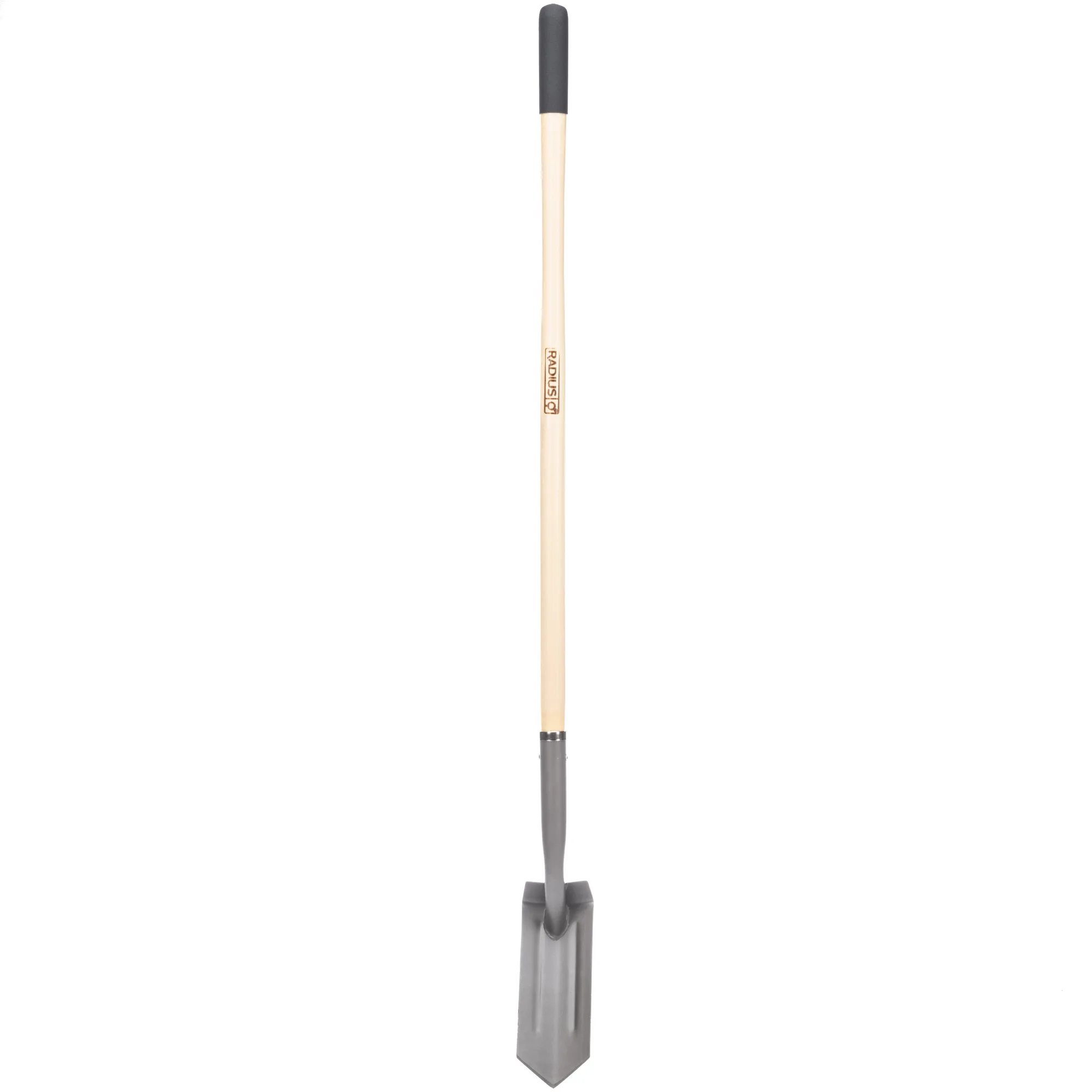
Trench Spade Wood Handle
-
Radius Premium D-Handle Round-Point Shovel, Fiberglass Shaft: Durable fiberglass shaft with steel insert, textured shaft grip, and 14-gauge powder-coated hardened steel shovel head. The fiberglass shaft resists rot and provides a secure grip, making it a longer-lasting choice for regular digging in tough conditions.
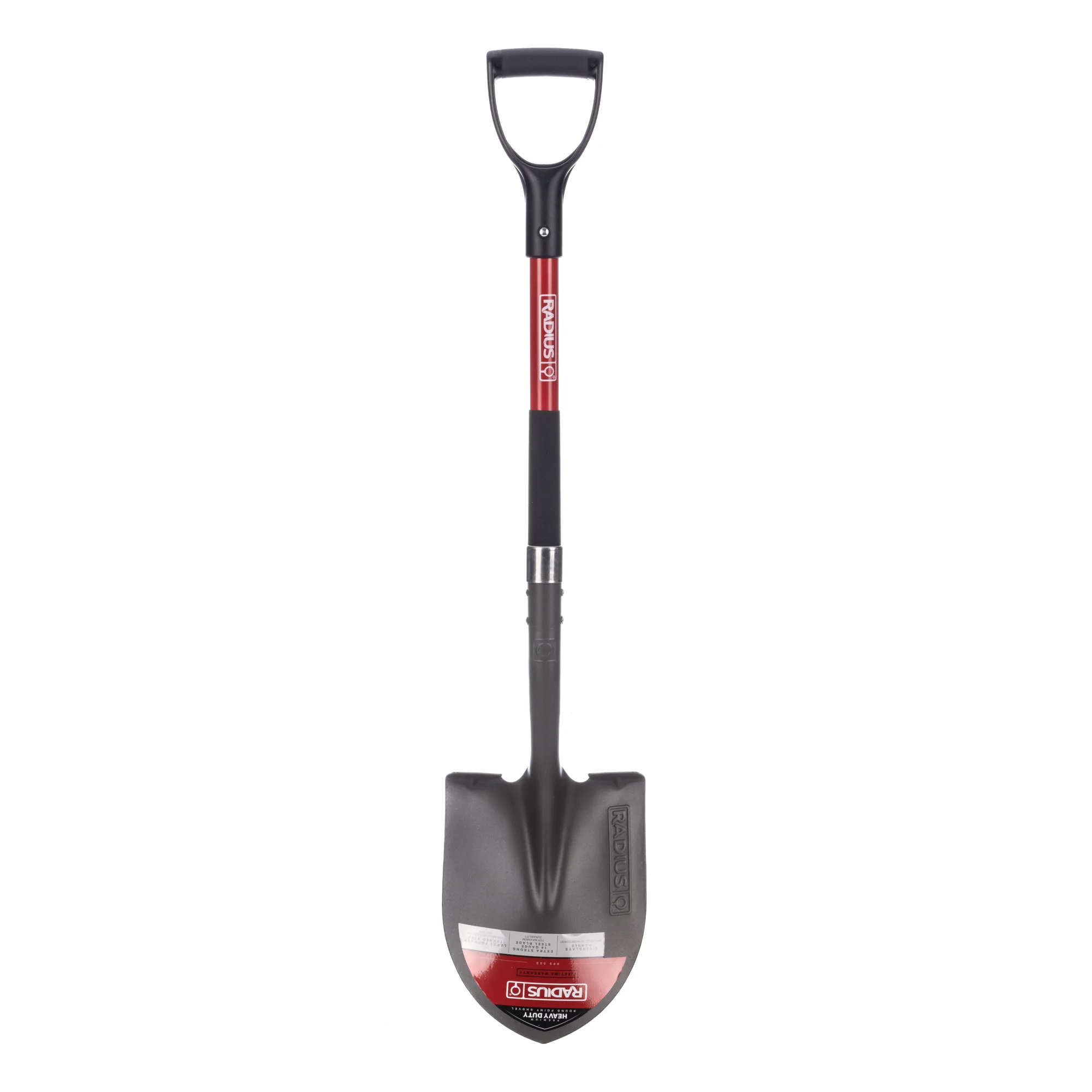
Radius Premium D-Handle Round-Point Shovel, Fiberglass Shaft
Which Should You Choose?
Best for
- Gardeners who dig frequently or in wet conditions and want a low-maintenance, long-lasting handle
- Users who prefer a secure textured grip over a natural wood feel
Not for
- Budget-conscious buyers who only dig occasionally and don't mind replacing a wood handle every few years
- Traditionalists who prioritize the classic feel and vibration absorption of wood over maximum durability