Two Statement Indoor Trees, One Care Philosophy
Both Ficus Benghalensis (the banyan tree) and Monstera Variegata (variegated monstera) make dramatic indoor trees with large, sculptural leaves. But before you choose, it helps to know they share nearly identical care needs. The supplied records show both plants prefer similar light, water, and temperature conditions, so your decision may come down to leaf pattern and growth habit rather than maintenance difficulty.
Below we compare the specific care requirements for each, based on the available catalog information, so you can decide which fits your home and lifestyle.
Care Requirements at a Glance
-
ベンガレンシス: Ficus Benghalensis prefers semi-shade: direct sunlight, dappled light, or light through a sheer curtain. Avoid direct midsummer sun. This plant can handle a bright spot but needs protection from harsh afternoon rays, making it suitable for east- or north-facing windows with a sheer curtain.
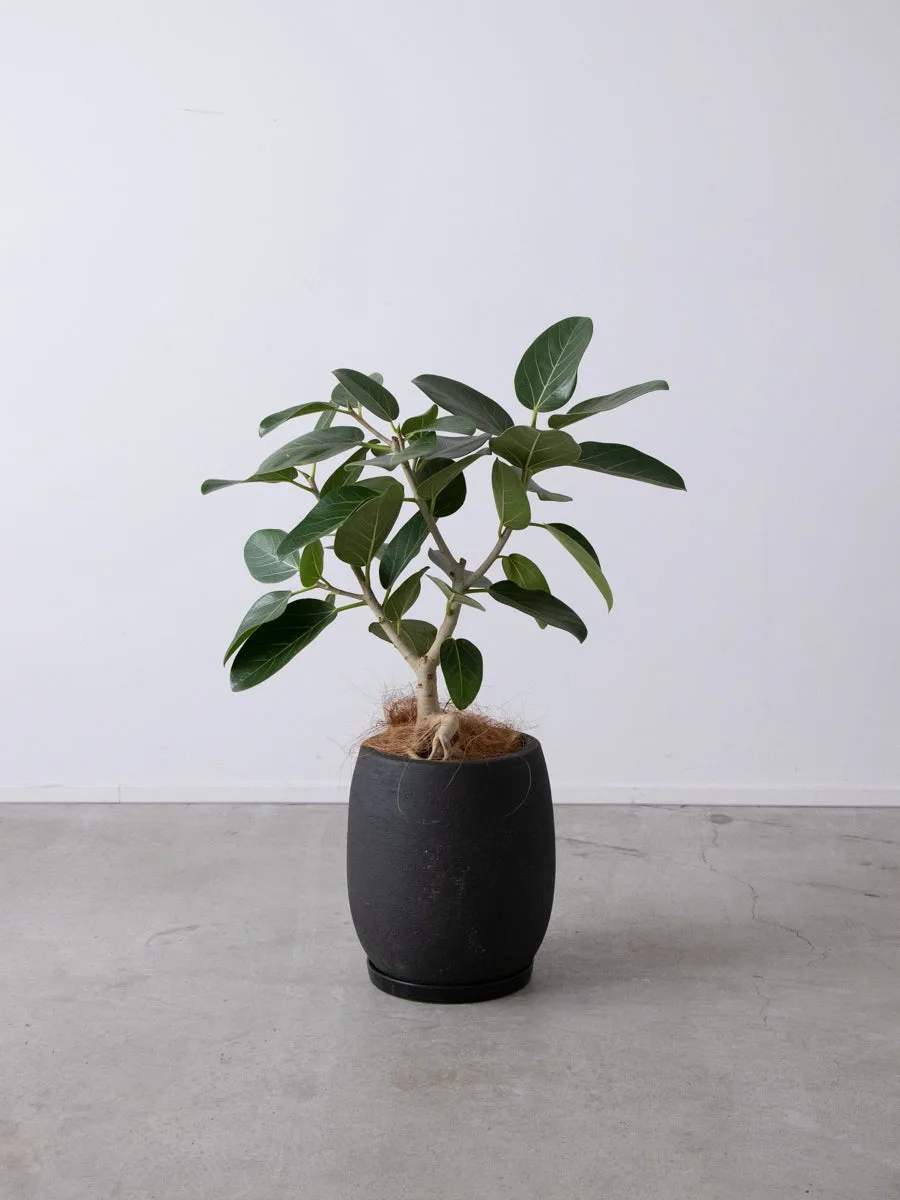
ベンガレンシス
-
モンステラ 斑入: Monstera Variegata also prefers semi-shade: direct sunlight, dappled light, or light through a sheer curtain. Avoid direct midsummer sun. The same light preference means you can place either plant in similar locations, but the variegated leaves of the Monstera may need slightly more consistent light to maintain their pattern.
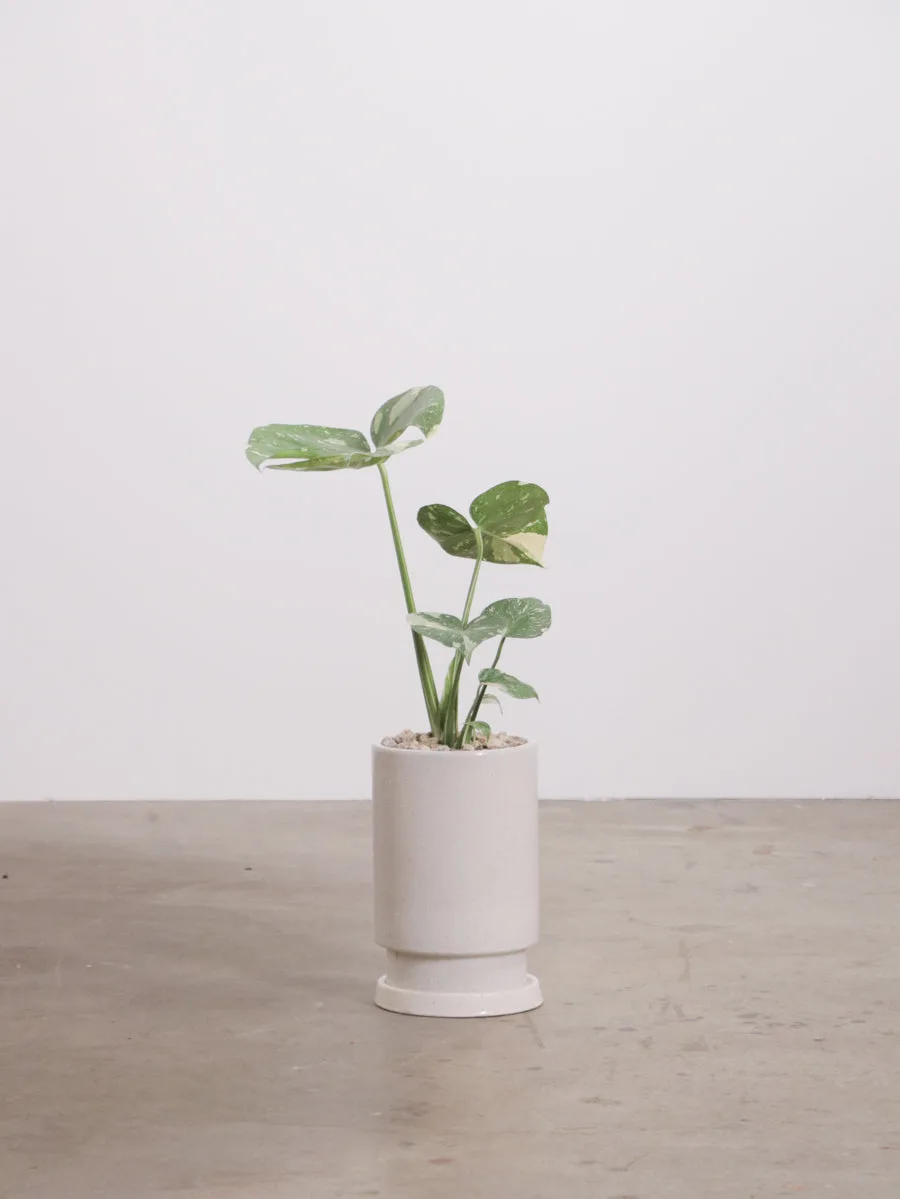
モンステラ 斑入
Watering: Dry Soil Is the Rule
Both plants like to dry out between waterings. The catalog notes that for Ficus Benghalensis and Monstera Variegata, you should water thoroughly when the top of the soil feels dry. This 'soak and dry' method helps prevent root rot, a common issue with indoor trees. Neither plant likes soggy soil, so ensure your pot has drainage holes.
Watering and Cold Tolerance Details
- ベンガレンシス: Ficus Benghalensis prefers slightly dry conditions. Water when the soil surface is dry. Cold tolerance: follow the supplied product instructions for temperature thresholds; move indoors if temperatures drop below the recommended level. This plant can tolerate cooler indoor temperatures but is not frost-hardy. If your home dips below the recommended temperature at night, bring it inside.
- モンステラ 斑入: Monstera Variegata prefers slightly dry conditions. Water when the soil surface is dry. Cold tolerance: follow the supplied product instructions for temperature thresholds; move indoors if temperatures drop below the recommended level. Same cold tolerance as the Ficus, so both plants need the same winter protection. Neither should be left in unheated rooms or near drafty windows.
Choosing Between the Two
Since their basic care is identical, your choice hinges on aesthetics. Ficus Benghalensis offers broad, oval leaves with prominent veins and a more upright, tree-like form. It can grow into a substantial indoor tree over time. Monstera Variegata is prized for its split leaves and white or cream variegation, which adds a striking contrast. However, variegated plants may be slightly more sensitive to light changes, though the catalog does not specify a difference.
Both plants are available now from CASICA at competitive prices. The Monstera Variegata is priced at USD 7,150.00 (compared to USD 11,000.00), while the Ficus Benghalensis is USD 11,962.50 (compared to USD 15,950.00). Consider your budget and the look you want for your space.
What the Records Leave Open
The catalog information does not provide specific growth rates, mature sizes, or detailed potting recommendations for either plant. It also does not mention fertilizer needs or pest resistance. If you need those details, consult the plant's tag or a general houseplant guide. For the care aspects covered here—light, water, and cold tolerance—you have all the evidence to make an informed choice.