Quick answer
Mount the Fight Light Roll Up Dump Pouch where your support hand can reach it without looking, usually just behind your handgun or on the weak-side belt line. Run it rolled and empty until you need it, then open it one-handed and drop items in. The main setup mistake is mounting it too far forward or too low, which makes it flop, snag, or block your draw.
Choose the right mounting point before you thread anything
The pouch works on a belt or on MOLLE webbing, but the mounting point changes how the pouch behaves. On a belt, it sits close to the body and rolls tight. On MOLLE, it can sit slightly further out, which is fine for a rucksack or chest rig but can feel bulky on a narrow belt.
Pick the location by function, not by looks. For range use, most shooters run it behind the handgun on the support-hand side so a magazine or loose round can be dropped in without crossing the body. For EDC, a rear or side hip position keeps it flat and out of the way when rolled.
- Belt mount: keep it behind the handgun or on the weak-side hip line.
- MOLLE mount: use a stable panel with at least two rows of webbing for a flatter roll.
- Avoid mounting directly over the spine or under a rucksack waist belt where it will be crushed.
Thread and tension the pouch so it opens one-handed
Once the position is set, thread the pouch through the belt or MOLLE and check the opening action. The pouch should open with a single downward pull from your support hand and stay open while you drop items in. If it collapses on its own, the mounting is too loose or the pouch is riding too low.
Tension matters more than brand. A pouch that is cinched too tight will not open cleanly; one that is too loose will swing and dump contents. Adjust in small steps and test with a few empty magazines or a glove before you load it for real.
- Open and close the pouch ten times before you commit to the position.
- Check that the opening stays clear of your holster and magazine pouches.
- Re-check tension after the first hour of carry, since webbing and belts settle.
Use it for the jobs a dump pouch actually does well
A roll up dump pouch is not a general-purpose cargo pocket. It is best for temporary holding: empty magazines during a reload, loose brass, gloves, or small tools you need to stow quickly. It is also useful as a foldable utility pouch for a light jacket layer or a water bottle on a hike.
Keep the load light and temporary. Heavy or sharp items can wear the pouch and make the roll harder to close. If you need to carry something long-term, move it to a dedicated pouch or your rucksack.
- Range: empty mags, loose rounds, and spent brass.
- Field: gloves, a beanie, or a small snack you want within reach.
- EDC: a compact rain shell or a folding tool, not keys or a phone.
Roll it down and keep it out of the way when not in use
The value of this pouch is that it disappears when empty. Roll it tight against the belt or panel and press the fold flat. If it hangs open, it will catch on doorframes, seatbelts, and brush.
Check the roll before you sit in a vehicle or put on a rucksack. A pouch that is rolled correctly adds almost no width, which matters when you are layering a belt under a pack waist belt.
- Roll from the bottom up so the opening faces down when stowed.
- Confirm the pouch does not press into your hip when seated.
- Re-roll after every use so it is ready the next time you need it.
Setup steps
- Pick the mounting location: Hold the pouch against your belt or MOLLE panel in a few positions. Choose one where your support hand reaches it without looking and it does not overlap your holster or magazine pouches. Checkpoint: you can touch the pouch opening with your eyes closed.
- Thread it through the belt or webbing: Route the pouch attachment through the belt or at least two rows of MOLLE. Keep the pouch body flat against the mounting surface so it rolls tight. Mistake to avoid: threading only one row of MOLLE, which lets the pouch twist.
- Set the opening tension: Open and close the pouch repeatedly. Adjust until it opens with one downward pull and stays open while you drop in an empty magazine. Checkpoint: the pouch holds open on its own with a light load.
- Test with a realistic load: Load two empty magazines or a pair of gloves, walk around, and sit down. The pouch should not press into your hip or swing when you move. Mistake to avoid: testing only with the pouch empty.
- Roll and stow it: Empty the pouch, roll it from the bottom up, and press the fold flat. Confirm it does not catch on your rucksack waist belt or a seatbelt. Next step: re-roll after every use so it is ready when you need it.
Product facts
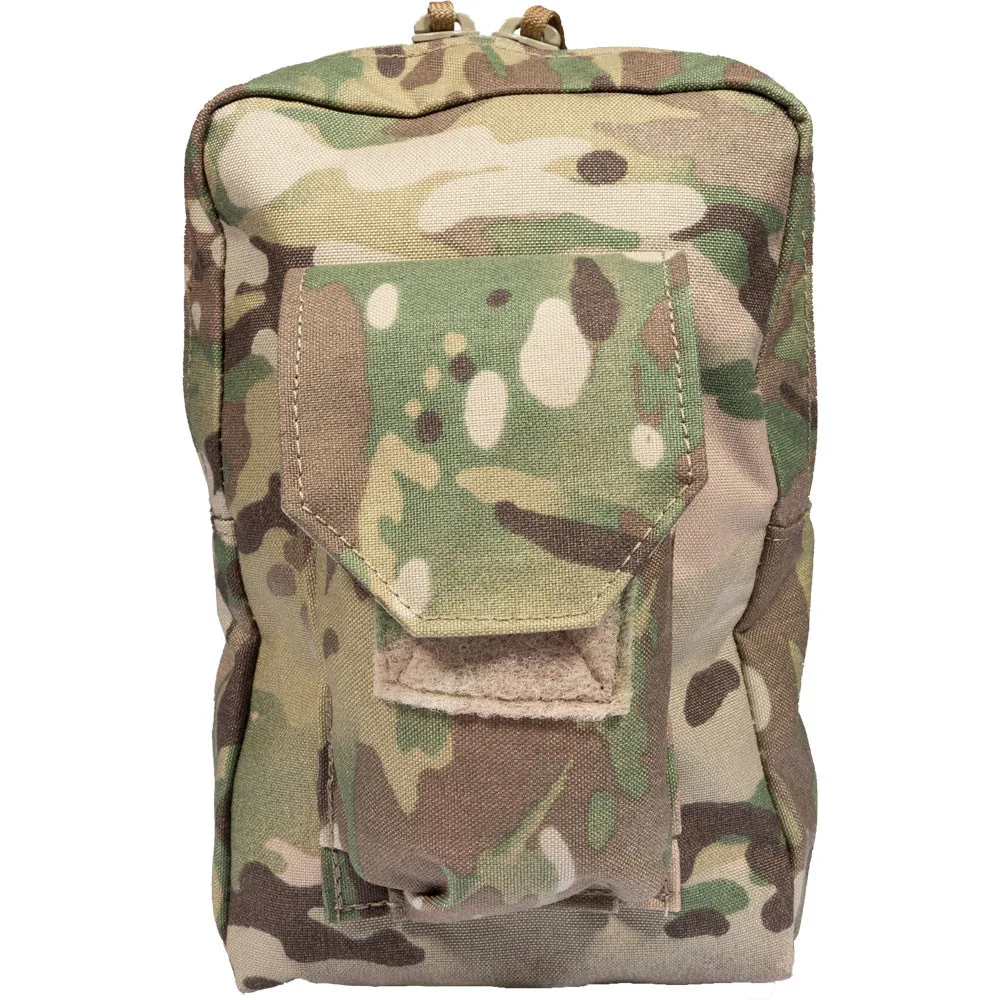
- Fight Light Roll Up Dump Pouch - Tactical Tailor, Inc: Fight Light Roll Up Dump Pouch by Tactical Tailor, catalog price USD 26.60 (comparison price USD 38.00). A low-cost, combat-proven pouch that rolls flat, so it is easy to justify as a dedicated temporary-holding pouch rather than a do-everything bag.
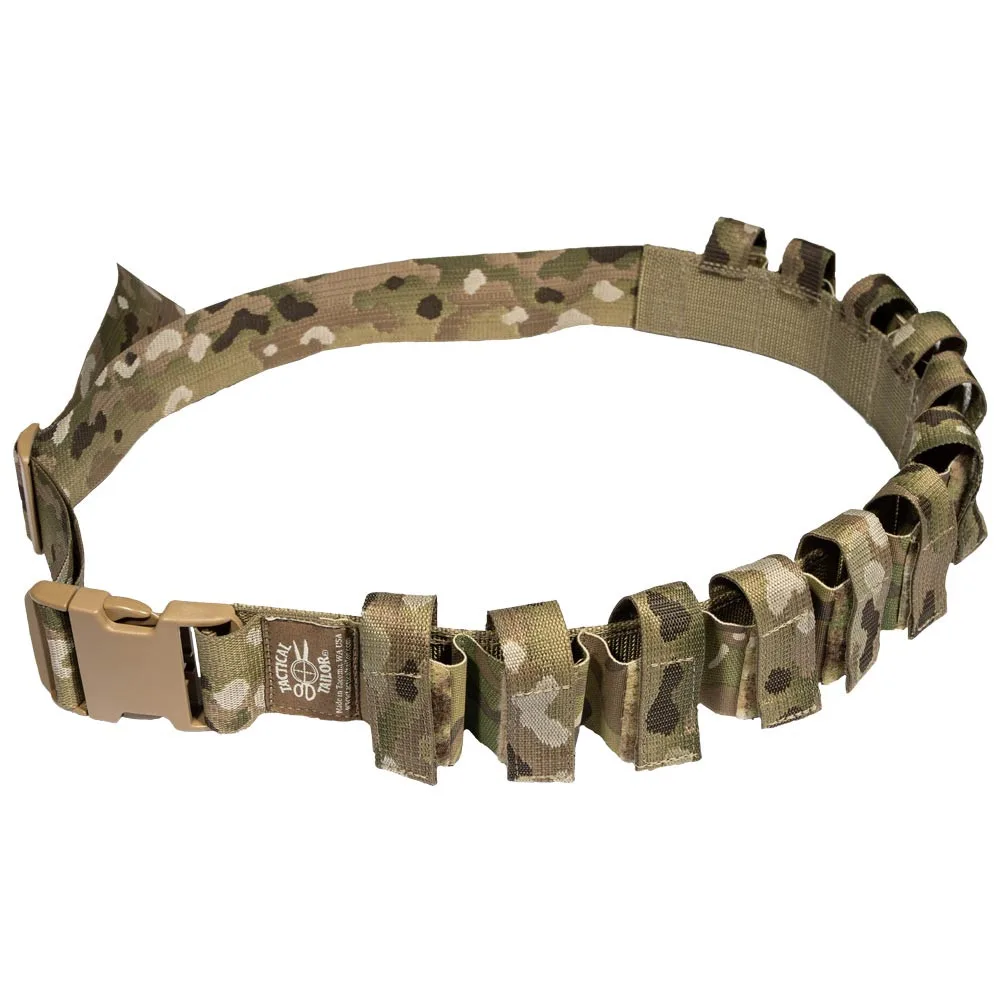
- Load Platforms & Belts - Belts & Straps - Tactical Tailor, Inc: Load Platforms & Belts collection, Belts & Straps category, Standard configuration, catalog price USD 17.00 (comparison price USD 25.00). If you are building a belt-mounted setup, this gives you a stable base to mount the dump pouch and other modular pouches without adding a full padded belt.
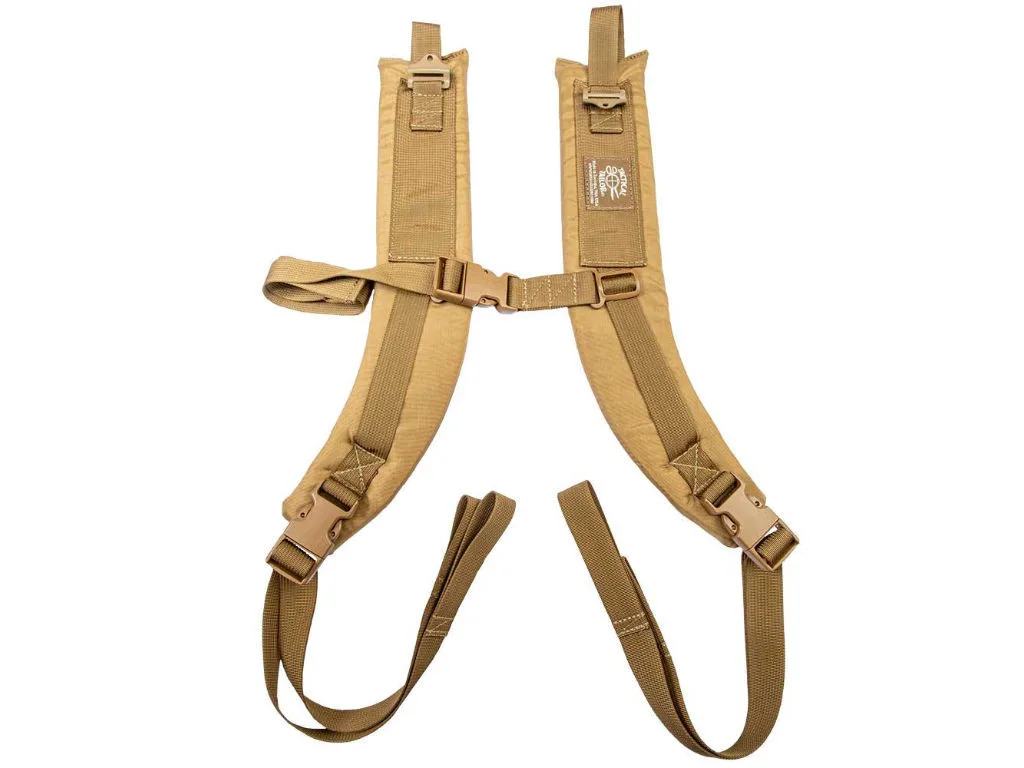
- Ergo Super Belt - Tactical Tailor, Inc: Ergo Super Belt by Tactical Tailor, catalog price USD 90.00 (comparison price USD 125.00). For heavy rucksack loads, a supportive belt keeps the dump pouch from sagging and helps the pouch stay in the same spot when you draw or reload.