Quick answer
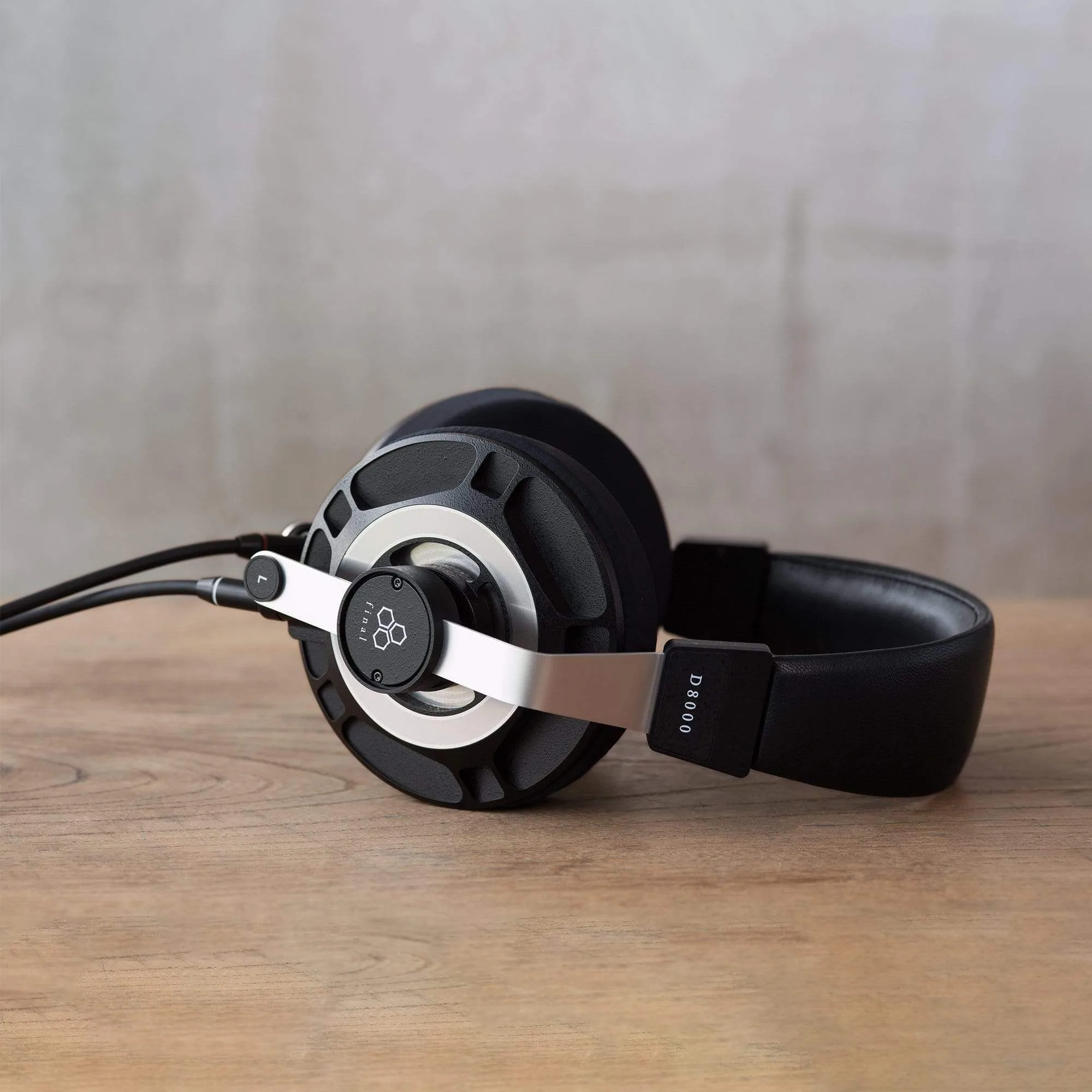
The Final Audio D8000 is an open-back planar magnetic headphone built around Final's AFDS (Air Film Damping System), which aims to combine the sensitive high ranges typical of planar drivers with the volume and open-feeling bass of dynamic models. It is a serious, revealing headphone that rewards good amping and a quiet listening space, and it is not a lightweight, commuting-friendly pair.
What does the AFDS planar driver actually do?
Final Audio describes AFDS as a reinvention of the planar magnetic driver: an Air Film Damping System designed to control the way the diaphragm moves. The stated goal is sound quality that has both the sensitive high ranges of planar magnetic models and the volume and open feel of bass tones from dynamic models. In practice, that means you should expect a planar headphone that still sounds lively and airy up top, with bass that feels fuller and more open than a typical thin-planar presentation.
How does the D8000 sound with familiar music?
Final positions the D8000 as a product that will have you making new discoveries from music you are used to listening to. That is a useful way to set expectations: this is a detail-forward, open-back design, so well-recorded tracks tend to reveal layers and spatial cues you may not have noticed on warmer, more forgiving headphones. The tradeoff is that poorly recorded or heavily compressed music can also sound exposed.
Is the D8000 comfortable for long sessions?
The catalog does not list a weight or clamp-force figure for the D8000, so comfort cannot be reduced to a number here. What matters more is how the open-back design and earcup fit interact with your head and glasses. If you wear glasses, the arms can break the seal on any open-back headphone, which changes bass response more than it changes the midrange. A short listening session before a long one is the honest way to judge fit.
What should I know about impedance and amping?
The supplied catalog facts do not include an impedance or sensitivity rating for the D8000, so any specific 'needs X milliwatts' claim would be a guess. The practical answer is that this is a flagship open-back planar, and planars of this class generally benefit from a dedicated desktop amp with low output impedance and enough clean voltage swing. A phone or laptop headphone jack may produce sound, but it is unlikely to show what the headphone can do.
How does it compare with the Fostex TH616 and UE 18+ Pro?
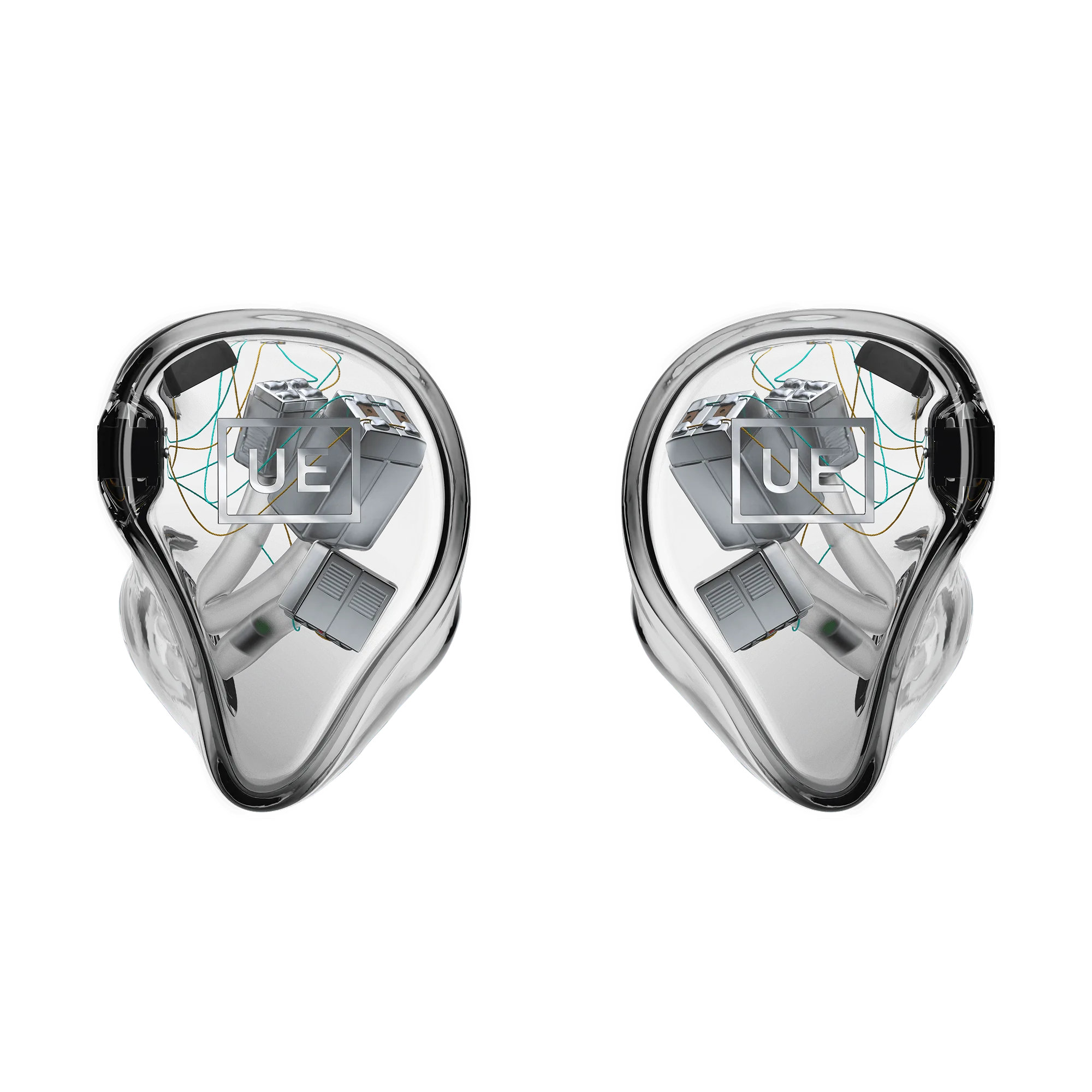
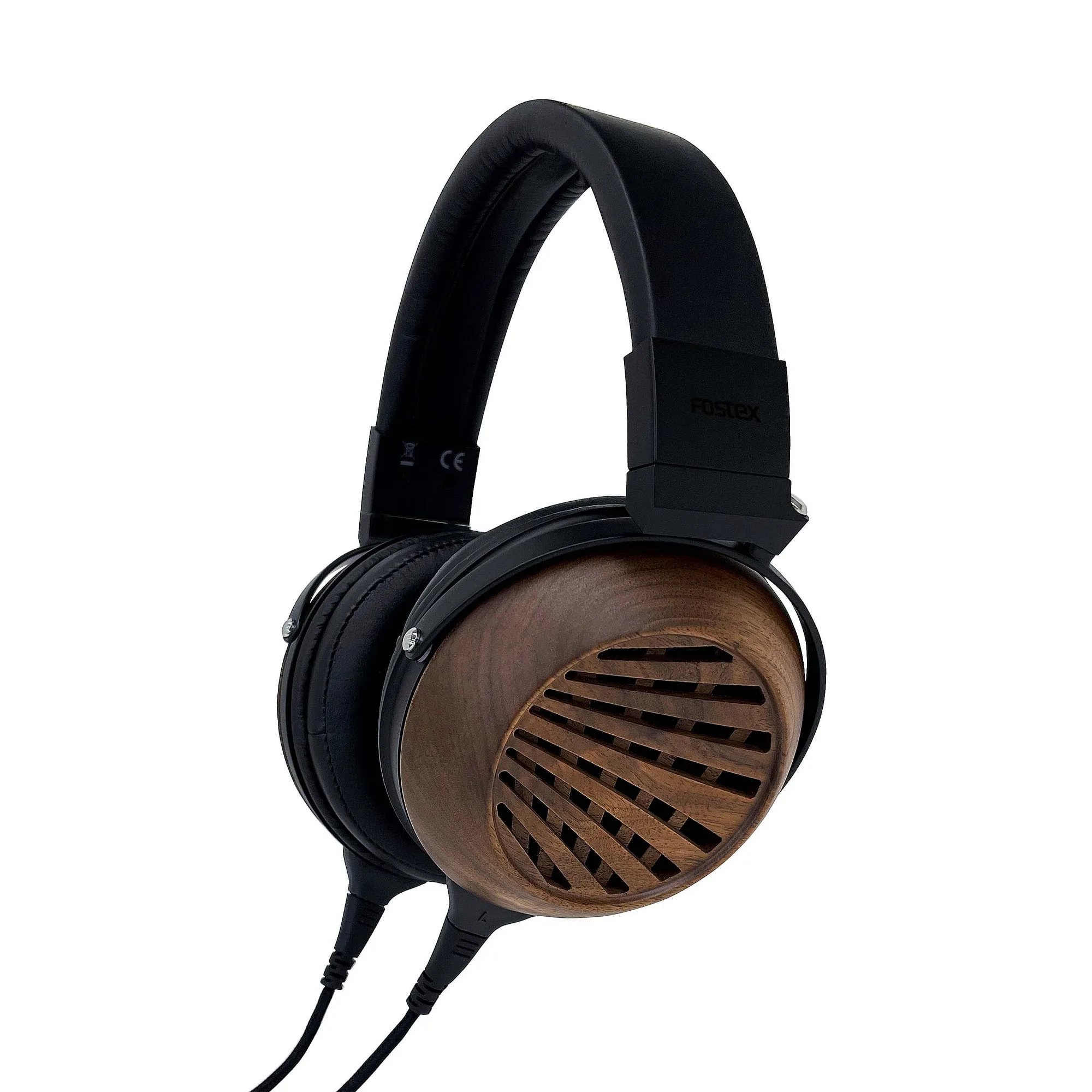
These are three different tools. The Fostex TH616 is a limited anniversary open-back with solid walnut earcups, made in Japan, and it costs far less than the D8000 — a sensible choice if you want an open-back wood-cup headphone without flagship pricing. The Ultimate Ears UE 18+ Pro is a custom in-ear monitor with a four-way crossover and six proprietary drivers, designed for consistent detailed sound at any volume; it is the opposite of an open-back in terms of isolation and portability. The D8000 sits at the top of this group for open-back, at-home listening.
Who is the D8000 not for?
Skip the D8000 if you need noise isolation, if you mostly listen on the move, or if you want a headphone that flatters low-bitrate streaming. Open-back headphones leak sound both ways, so they are a poor fit for shared offices, libraries, and public transport. If any of those describe your day, the UE 18+ Pro is the more logical direction.
D8000 quick answers
Will my phone drive the D8000?
It will make sound, but the catalog does not list impedance or sensitivity, so there is no honest way to promise a specific loudness. Planars at this level usually want a dedicated desktop amp. Budget for an amp, not just the headphone.
Does it isolate noise?
No. It is an open-back design, so it leaks sound out and lets room noise in. Best for a quiet room, not a commute.
Is it worth it over the Fostex TH616?
The TH616 is a limited anniversary open-back with solid walnut earcups at a much lower price. The D8000 is the step up if you want Final's AFDS planar approach and flagship-level detail. Match the spend to how often you listen critically at home.
Product facts worth knowing
- Final Audio D8000 AFDS Open Planar Magnetic Headphones: Final Audio reinvented the planar magnetic model driver with AFDS (Air Film Damping System), aiming for both the sensitive high ranges of planar magnetic models and the volume and open feel of bass tones from dynamic models. This is the core reason to consider the D8000 over a conventional planar: you get planar detail up top with bass that feels fuller and more open.
- Fostex TH616 Open-Back Limited Anniversary Headphones: The Fostex TH616 is a limited edition made in Japan with solid black walnut earcups in an open housing, produced for Fostex's 50th anniversary. It is the lower-cost open-back alternative in this comparison, and the wood cups give it a distinct look and character.
- Ultimate Ears UE 18+ Pro Custom In-Ear Monitor: The Ultimate Ears UE 18+ Pro is a custom in-ear monitor with a four-way crossover and six proprietary drivers, delivering detailed sound with extra headroom at any volume; the price includes translucent and solid faceplate options, with other faceplate styles incurring a surcharge. If you need isolation or a portable setup, a custom IEM solves problems an open-back headphone cannot, and the faceplate options affect final cost.