Quick Answer
Bitter herbal tea usually means you oversteeped, used water that's too hot, or chose a blend with naturally strong herbs. Cut steeping time to 3–5 minutes, use water just off the boil (around 200°F), and balance bitter herbs with a pinch of salt or a splash of honey.
Why Herbal Tea Turns Bitter
Bitterness in herbal tea comes from compounds called tannins and alkaloids. These are released faster in hot water and with longer steeping. Herbs like dandelion root, nettle, and hibiscus are naturally higher in these compounds. That doesn't mean they're bad—they often carry medicinal benefits—but the flavor can be off-putting if you're not expecting it.
Water temperature matters more than most people think. Boiling water can scorch delicate herbs like peppermint or chamomile, drawing out harsh notes. For most herbal blends, water at 200°F (just below a rolling boil) is a safer starting point.
Quick Fixes for a Bitter Cup
If your tea is already bitter, don't toss it. Add a small pinch of salt—it blocks bitterness receptors on your tongue. A teaspoon of honey, maple syrup, or a splash of milk can also round out harsh edges. For iced tea, a squeeze of lemon or a few mint leaves can shift the flavor profile.
For next time, try a shorter steep. Set a timer for 3 minutes instead of guessing. If you're using a blend with strong roots or barks (like ginger or licorice), consider cold-brewing overnight in the fridge. Cold water extracts flavor more gently and almost never turns bitter.
Diagnosing Your Bitter Tea
- Symptom: Tea tastes harsh, astringent, or leaves a dry feeling in your mouth. This is usually over-extraction of tannins.
- Likely Cause: Steeping longer than 5 minutes, water at a full boil, or using a blend with strong roots/bark. Check your steep time and water temperature first.
- Corrective Action: Shorten steep time to 3–4 minutes, lower water temp to 200°F, or dilute the cup with hot water. Add a pinch of salt or honey to balance. You can salvage most bitter cups with these tweaks.
- When to Choose Another Option: If the blend consistently tastes unpleasant even after adjusting time and temperature, your palate may simply not like those herbs. Try a different blend with sweeter or milder ingredients like rooibos, chamomile, or mint. Not every tea is for every person—that's normal.
Teas That Work With Your Taste Buds
- YONIVERSE: WOMB WELLNESS: YONIVERSE: WOMB WELLNESS contains red raspberry leaf, nettle leaf, Egyptian peppermint, Jamaican ginger, Persian roses & rose hips, damiana, cramp bark, and chaste berry. If you find nettle or ginger too strong alone, this blend balances them with sweeter rose and peppermint. Steep it for only 4 minutes to avoid pulling out excess bitterness from the bark and root ingredients.
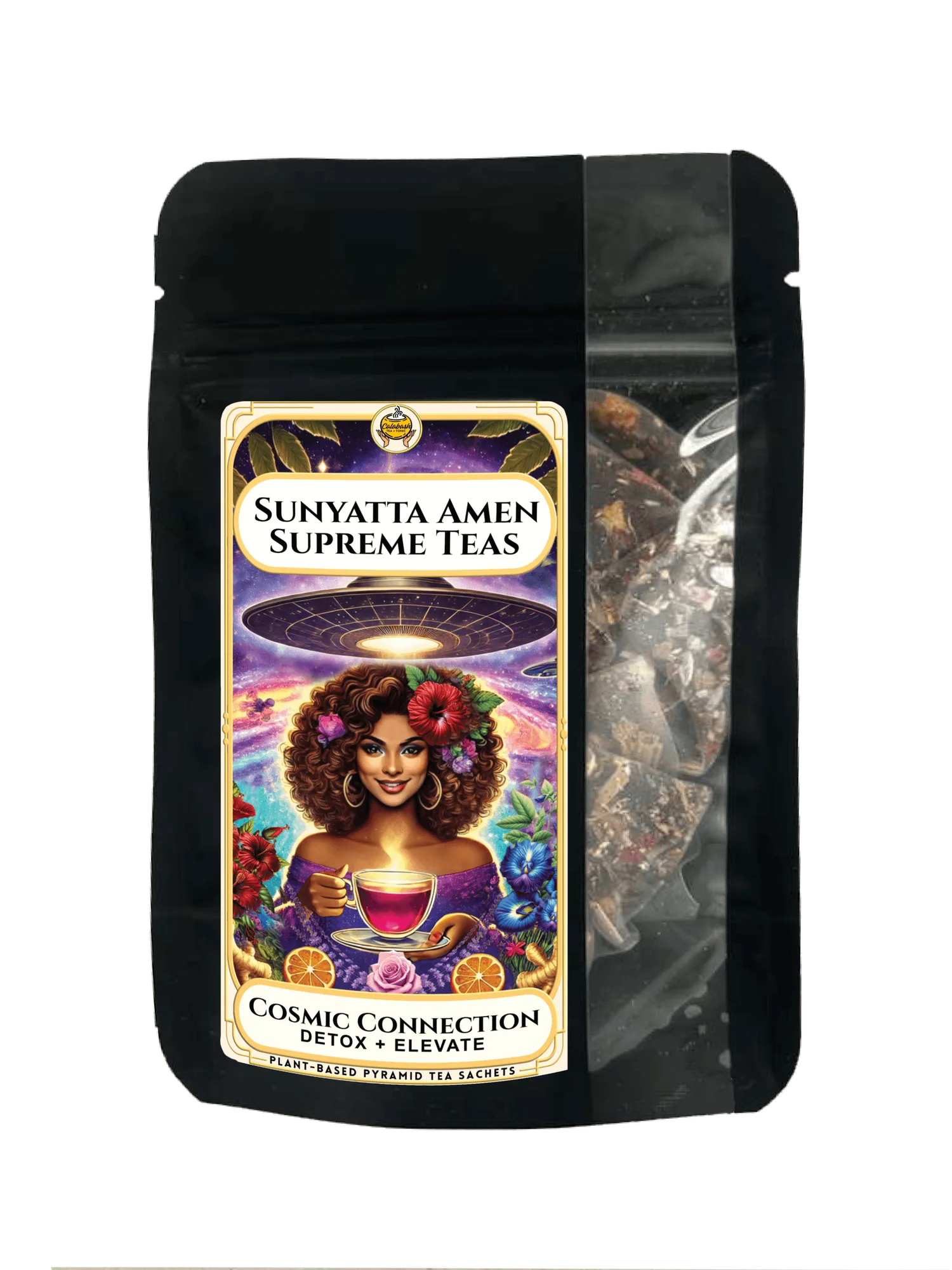
- COSMIC CONNECTION SAMPLER: DETOX + ELEVATE: COSMIC CONNECTION SAMPLER: DETOX + ELEVATE blends Jamaican hibiscus & ginger, butterfly pea flower, elderberry, and Moroccan lavender. Hibiscus can taste tart or bitter if oversteeped. This sampler lets you test a small batch first—steep for 3 minutes, taste, and adjust. The butterfly pea flower adds a mild, earthy note that doesn't fight with sweeteners.