Quick Answer
If your skin is peeling or irritated from strong actives, stop using them and focus on gentle cleansing, barrier-repairing moisturizers, and a hydrating serum. Give your skin a break for at least a week, and only reintroduce actives slowly once the barrier feels calm.
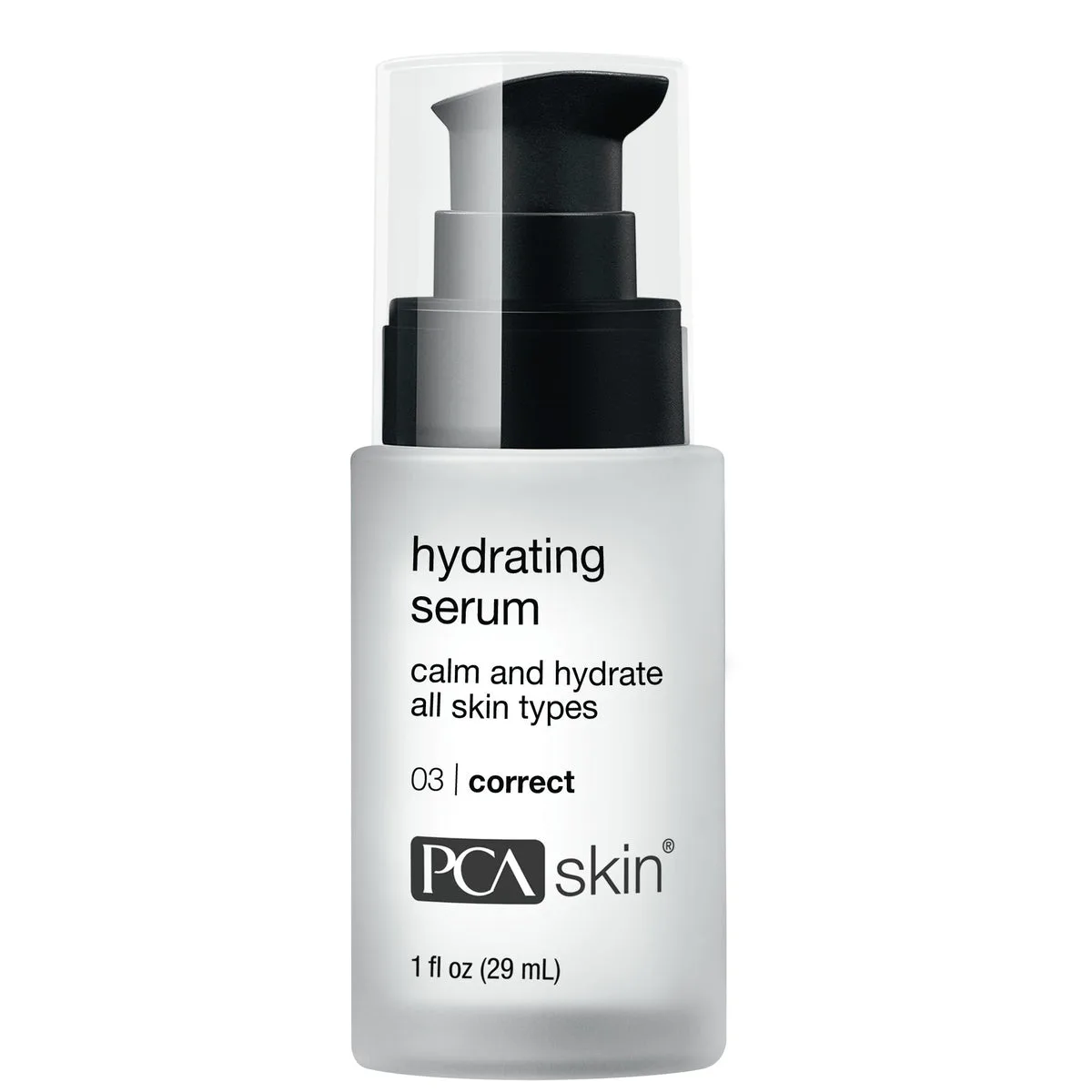
hydrating serum
You finally added a retinol or exfoliating acid to your routine, expecting glowing skin—but instead, you're dealing with redness, flaking, and that tight, uncomfortable feeling. This is a classic sign of an over-stressed skin barrier, and it happens to almost everyone at some point. The good news: it's fixable, and you don't need to throw away your active products.
In this guide, we'll walk you through a step-by-step recovery plan, from identifying the cause to choosing the right soothing products. We'll also share how to prevent it from happening again, so you can enjoy the benefits of actives without the damage.
Signs Your Skin Barrier Is Damaged
Your skin barrier is the outermost layer that keeps moisture in and irritants out. When it's compromised, you'll notice symptoms like persistent redness, peeling or flaking, a stinging sensation when applying products, and increased sensitivity to products that never bothered you before. You might also feel your skin is rough or tight, even after moisturizing.
These signs often appear a few days after using a strong active, especially if you started too frequently or used a high concentration. If you're experiencing any of these, it's time to pause your active ingredients and shift your focus to repair.
- Redness that doesn't fade within an hour
- Visible peeling or flaking, especially around the nose and mouth
- A burning or stinging feeling when applying even gentle products
Why Retinol and Exfoliants Cause Irritation
Retinol works by speeding up cell turnover, which can lead to dryness and peeling as the skin adjusts. Exfoliating acids like AHAs and BHAs dissolve the bonds between dead skin cells, and when overused, they can strip away protective oils and disrupt the skin's pH. The result is a weakened barrier that loses moisture rapidly.
Over-exfoliation is a common culprit—using too many active products in one routine or layering them incorrectly can overwhelm your skin. Even if you follow the instructions, your skin type, climate, and other products in your routine can influence how your skin reacts. It's not a sign of failure; it's a signal to adjust your approach.
- Using retinol every night when starting out
- Combining retinol with strong exfoliating acids in the same routine
- Skipping moisturizer or using a non-hydrating one
Step-by-Step Recovery Plan
First, stop using all active ingredients—retinol, acids, and even vitamin C—until your skin feels calm. This might take a few days to a week. During this time, cleanse with a gentle, fragrance-free cleanser and lukewarm water. Pat your skin dry; don't rub.
Next, focus on hydration and barrier repair. Apply a hydrating serum with ingredients like hyaluronic acid or niacinamide, then follow with a rich moisturizer that contains ceramides or peptides. Consider adding a soothing ingredient like centella or aloe if your skin is red. Reapply moisturizer as needed throughout the day.
Once your skin feels comfortable—no stinging, redness, or peeling—you can slowly reintroduce actives. Start with a lower concentration or a gentler formula, and use it only two to three times a week. Always apply to dry skin and follow with moisturizer. If irritation returns, cut back further or consult a dermatologist.
- Use a barrier-repairing moisturizer with ceramides
- Apply hydrating serum on damp skin to lock in moisture
- Patch test new products before applying to your whole face
Diagnosis: What's Going On and What to Do
- Symptom: Peeling and flaking: Your skin is shedding dead cells faster than it can produce new ones, often due to over-exfoliation or a retinol purge. Stop all actives and use a gentle cleanser and rich moisturizer.
- Likely cause: Overuse of strong actives: Starting retinol too frequently, using high concentrations, or combining multiple exfoliants can strip the barrier. Review your routine and give your skin a break for at least 5-7 days.
- Corrective action: Barrier repair routine: Incorporate a hydrating serum and a moisturizer with barrier-supporting ingredients like niacinamide or ceramides. Continue until your skin feels calm and no longer stings.
- Stop or choose another option: If irritation persists: If redness, burning, or peeling doesn't improve after a week, you may have a more severe reaction or an underlying condition. Consult a dermatologist before reintroducing any actives.
Products That Help Repair Your Barrier
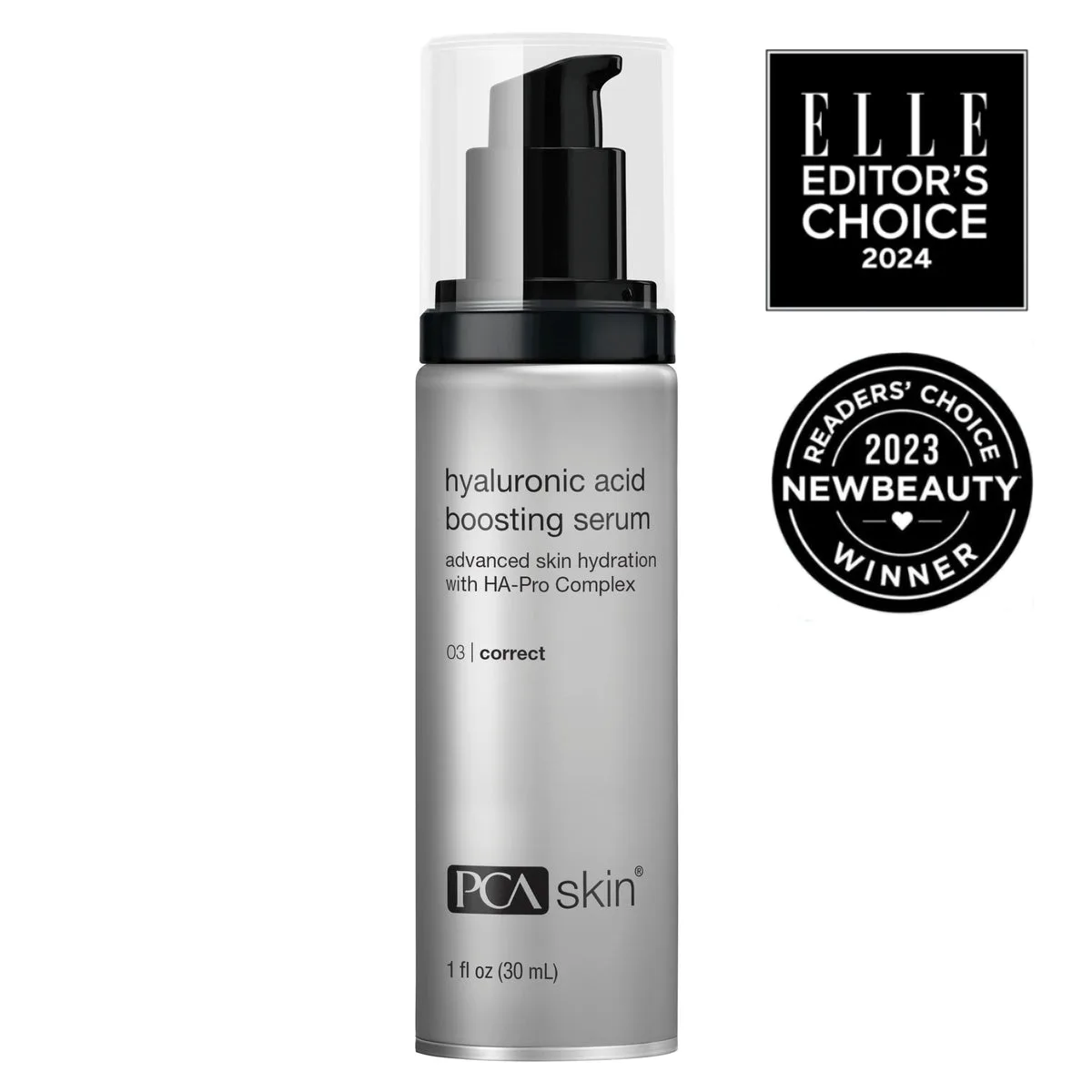
- Hyaluronic Acid Boosting Serum: PCA SKIN Hyaluronic Acid Boosting Serum delivers essential hydration as the non-negotiable step for everyone seeking healthy, beautiful skin. The solution isn't just more moisture—it's smarter, sustained hydration. When your barrier is damaged, your skin loses water rapidly. This serum helps replenish moisture and supports the skin's natural repair process, making it an ideal first step after cleansing.
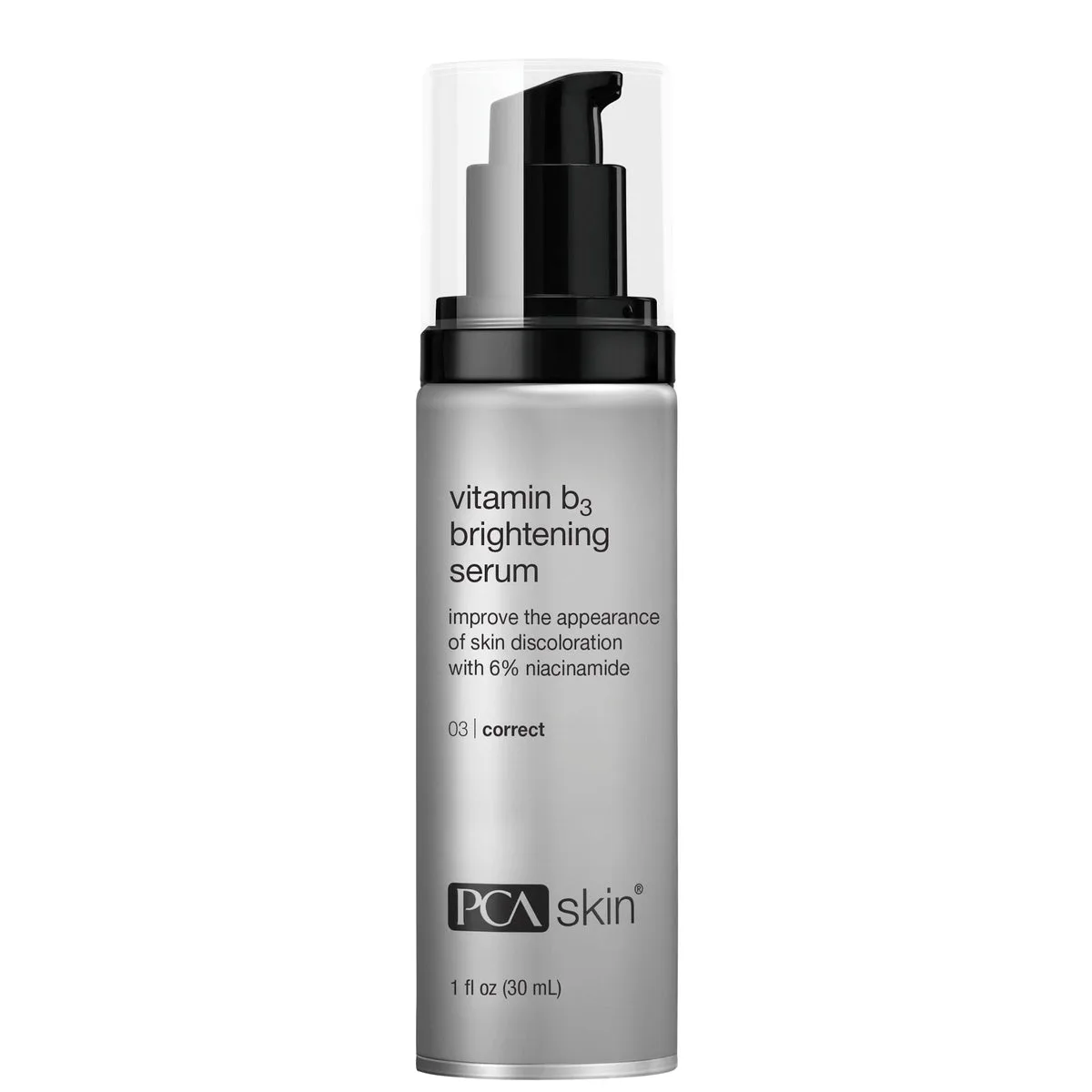
- Vitamin b3 Brightening Serum: PCA SKIN Vitamin B3 Brightening Serum visibly brightens dark spots and dramatically evens skin tone. Formulated with 6% Niacinamide, this advanced formula works to boost barrier function, improving texture and resilience. Niacinamide is known for its soothing and barrier-strengthening properties. While your skin is recovering, this serum can help calm redness and reinforce the barrier without causing further irritation.
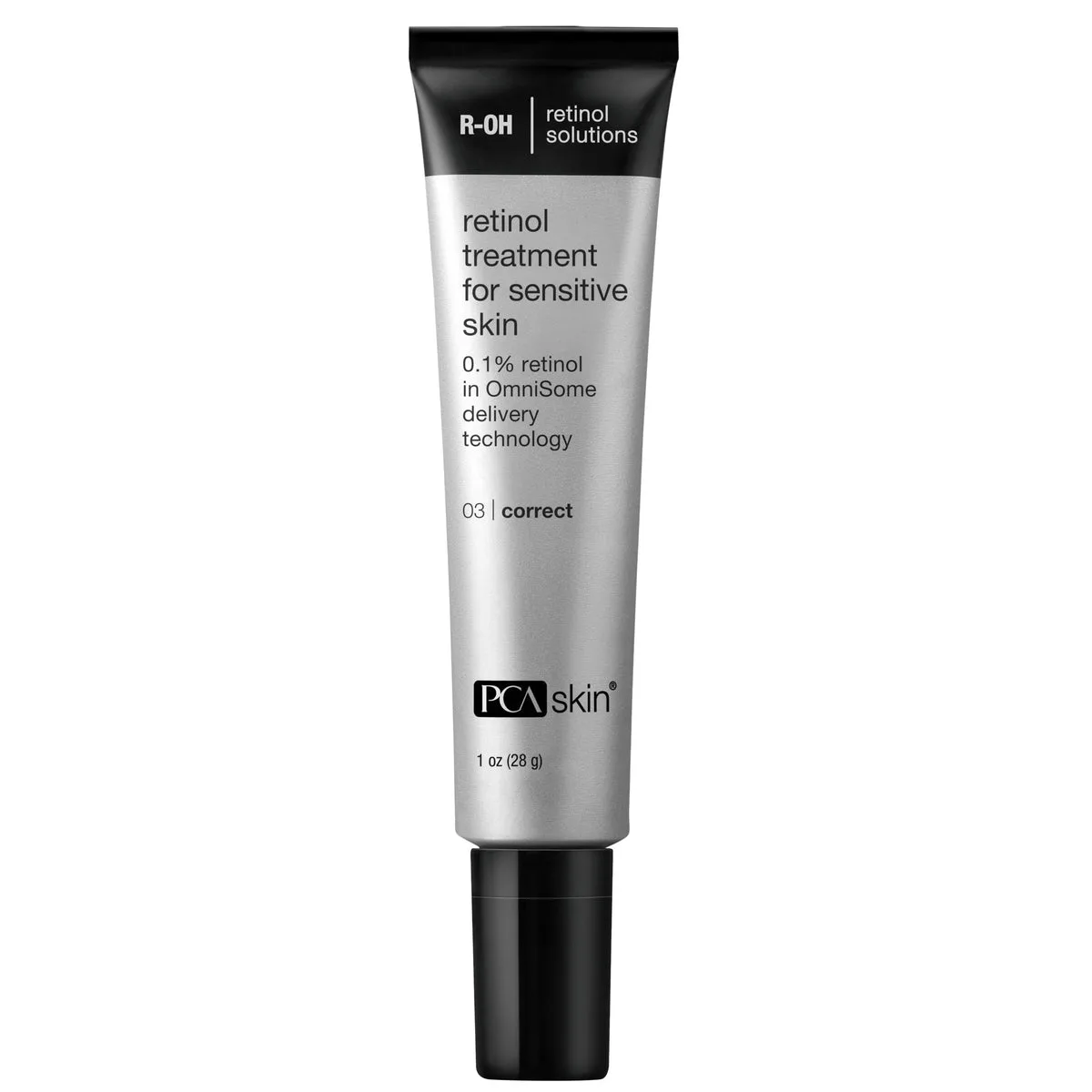
- Retinol Treatment for Sensitive Skin: PCA SKIN Retinol Treatment for Sensitive Skin is a gentle retinol treatment specifically formulated for sensitive skin to effectively reduce redness and minimize signs of aging without causing irritation. If you're ready to restart retinol after recovery, this gentler option is designed for sensitive skin, reducing the risk of another flare-up while still delivering anti-aging benefits.
Repairing a damaged skin barrier takes patience, but with the right approach, your skin will bounce back. Remember to listen to your skin, simplify your routine during recovery, and gradually reintroduce actives. For ongoing support, consider products like the Hyaluronic Acid Boosting Serum or Vitamin B3 Brightening Serum to keep your barrier strong and resilient.