Quick answer
Round boot laces are generally the better choice for hiking and work boots because they pull through eyelets with less resistance and hold snugly under pressure. Flat laces are a solid option if you prefer a classic look and don't mind a bit more friction when tightening.
How lace shape affects performance
The shape of a boot lace changes how it behaves when you tighten it and how it holds during wear. Round laces have a smaller contact area with the eyelets, so they slide more easily and let you adjust tension quickly. Flat laces spread pressure across a wider surface, which can feel more secure but also creates more drag when you pull them tight.
Durability is another factor. Round laces tend to resist abrasion better because they don't have edges that catch on eyelets or rough terrain. Flat laces can wear faster at the folds and edges, especially if they rub against rocks or metal hardware. That said, both styles from Zamberlan are built for long-lasting use, so the difference is more about how you use them than about quality.
Matching laces to your boot type
Your boot's eyelet design and your typical terrain should guide your choice. Boots with traditional eyelets work well with both round and flat laces, but round laces are especially helpful if you frequently adjust tension on the trail. Flat laces can be a better match for dressier or casual boots where you want a cleaner, more uniform look.
Color and size also matter for both function and style. Zamberlan offers round and flat laces in different colors and sizes, so you can match your boots or add a personal touch. Always check the length and thickness of the laces against your boot's eyelet spacing to ensure a proper fit.
Flat vs round: the trade-offs
- Round laces: Choose round laces if you want less pulling resistance and smoother tightening. They slide through eyelets easily and hold snugly under pressure, making them ideal for hiking and work boots where you adjust fit often. Round laces are the go-to for active use and quick adjustments.
- Flat laces: Choose flat laces if you prefer a classic, uniform look and don't mind extra friction when tightening. They spread pressure across a wider surface, which some people find more secure, but they can wear faster at edges. Flat laces suit casual or dressier boots and a traditional aesthetic.
- Durability and fit: Both styles from Zamberlan are built for long-lasting durability. Check the lace length and thickness against your boot's eyelet spacing to ensure a proper fit, and always keep a spare pair in your backpack for emergencies. Measure your old laces or consult your boot's specs before ordering.
Zamberlan replacement laces at a glance
-
ROUND BOOT LACES - Camo: Zamberlan round boot laces fit through most eyelet designs and offer less pulling resistance than traditional flat laces. This makes them a practical choice for hikers who adjust laces frequently or want quick, smooth tightening on the trail.
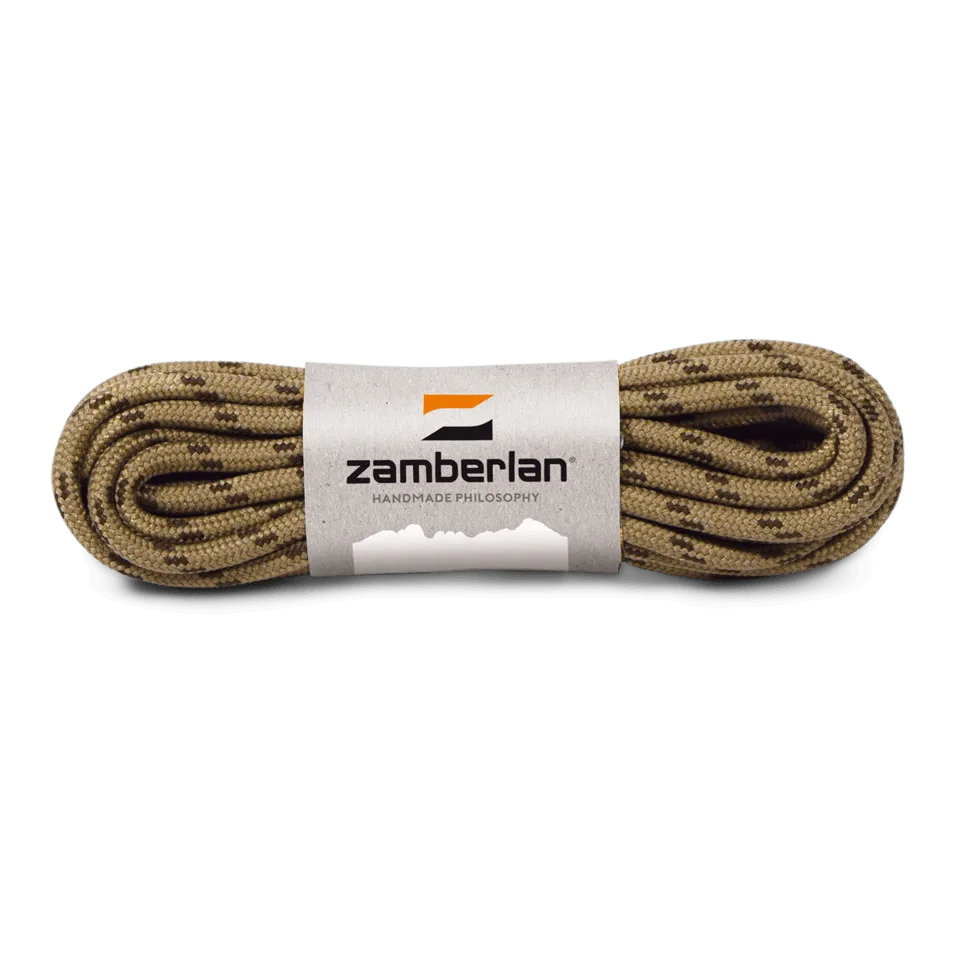
ROUND BOOT LACES - Camo
-
ROUND BOOT LACES - Red/Grey: Zamberlan round boot laces come in different colors and sizes to match different boots and styles. You can find a pair that fits your boot's eyelet spacing and also matches your personal look.
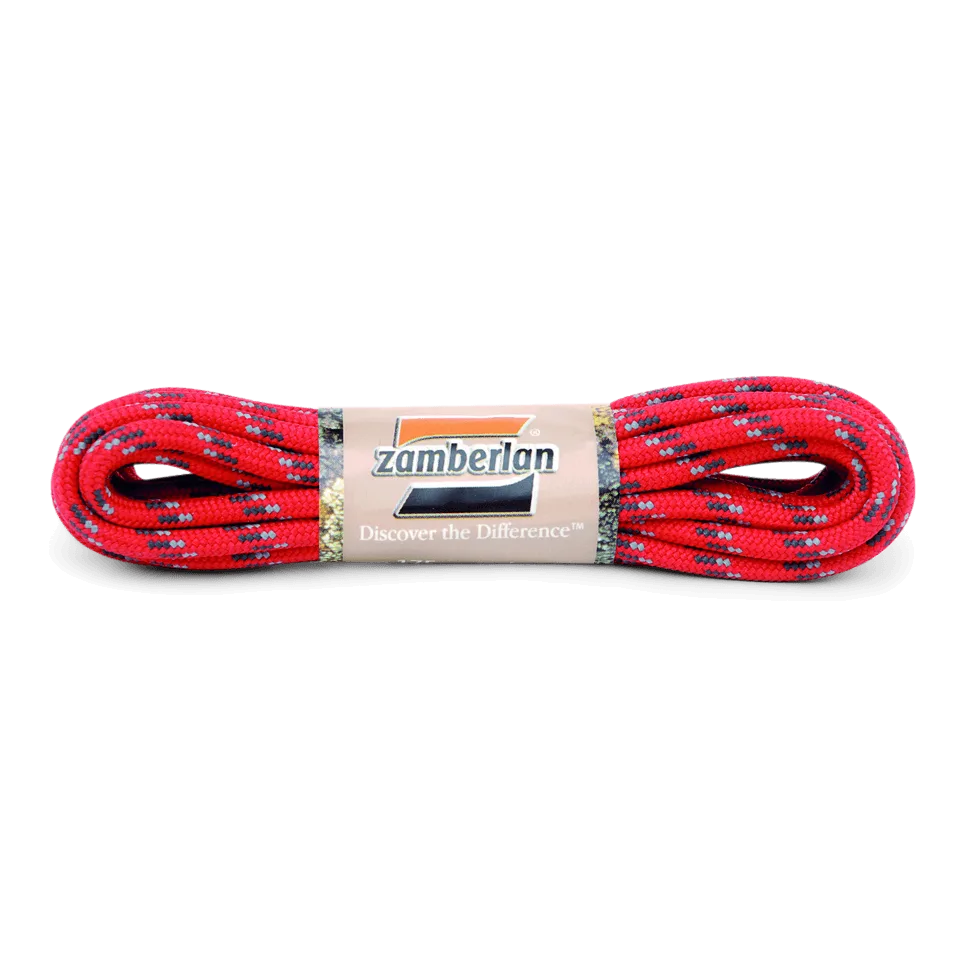
ROUND BOOT LACES - Red/Grey
-
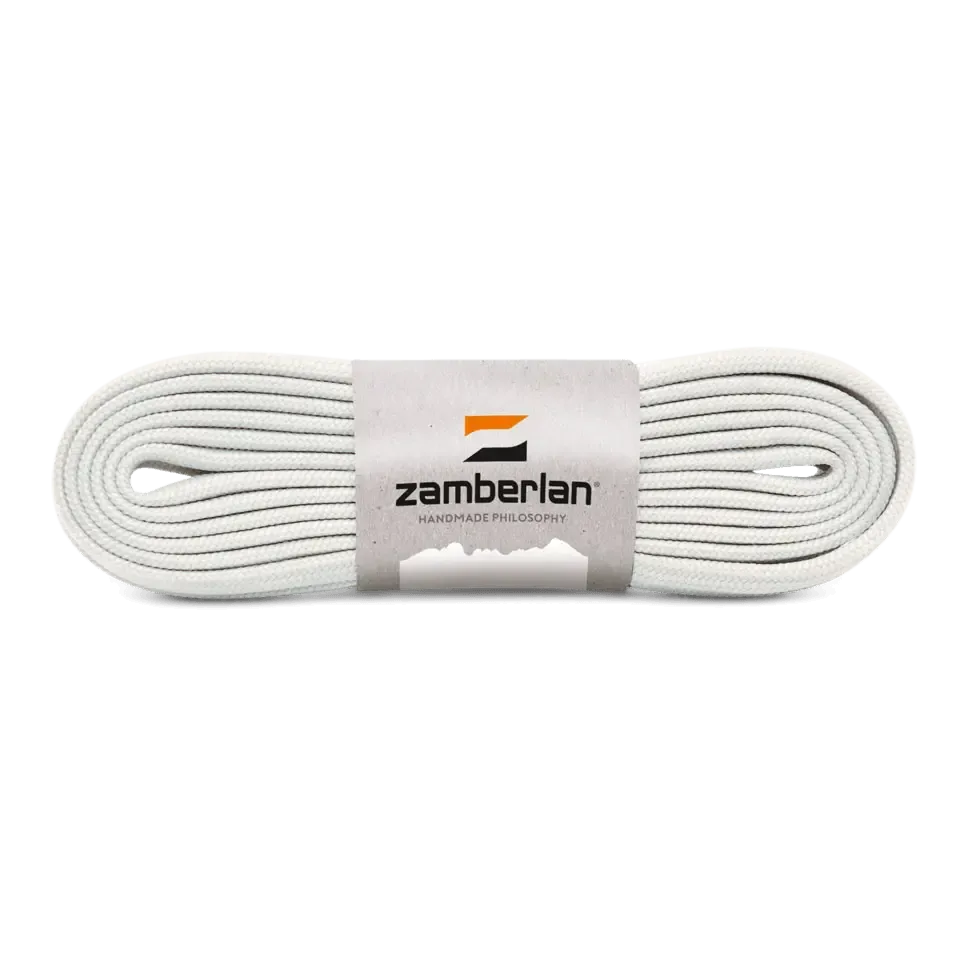
FLAT BOOT LACES - White: Zamberlan flat boot laces easily fit through the brand's eyelet designs and offer a different look for your favorite boots. Choose flat laces if you prefer a classic appearance and don't mind a bit more friction when tightening.
-
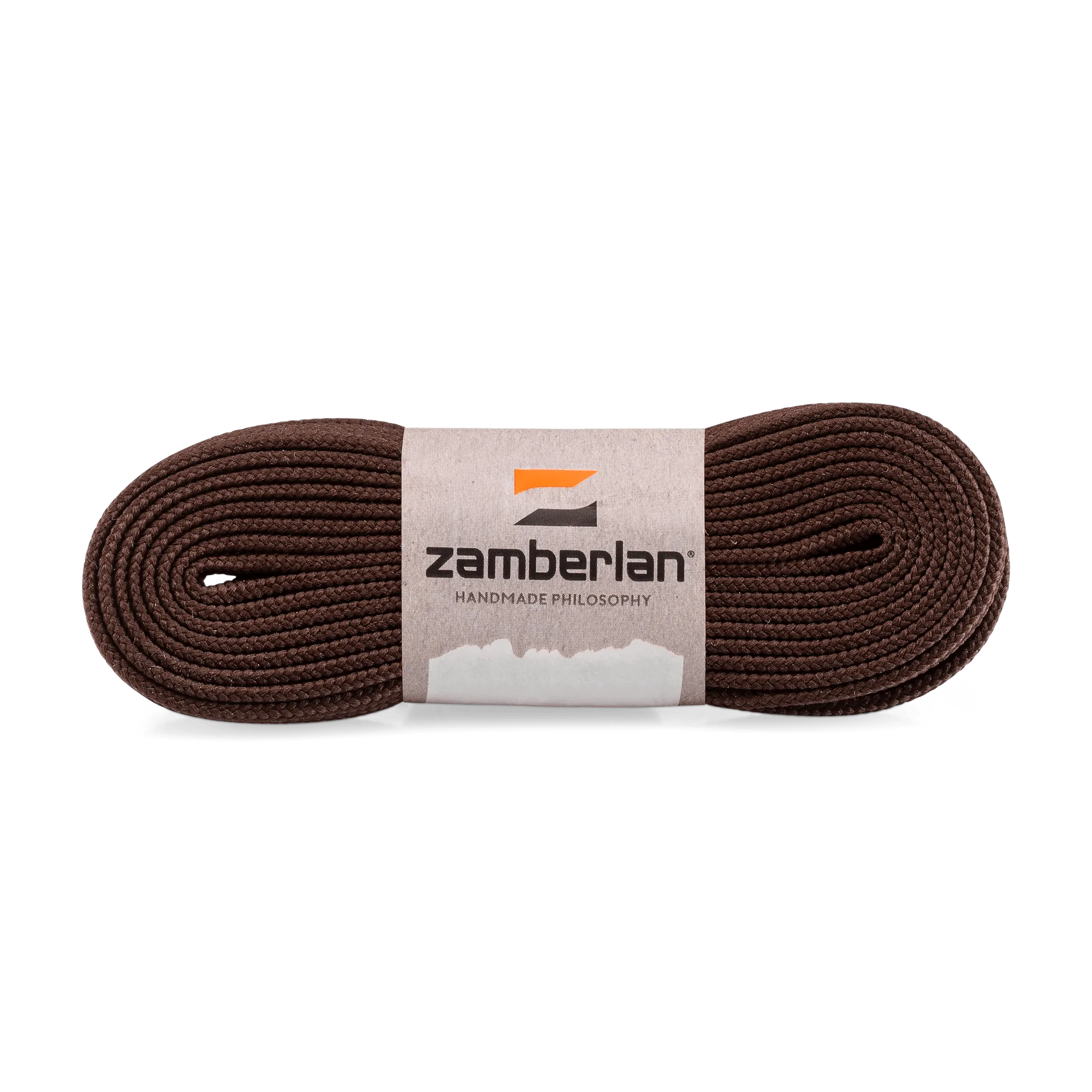
FLAT BOOT LACES - Coffee: Zamberlan replacement laces are among the best on the market for long-lasting durability. Both round and flat options are built to withstand regular use, so your choice can focus on feel and style.
Which laces fit you best?
Best for
- Hikers and workers who tighten laces often and want smooth, quick adjustments
- Boots with traditional eyelets where round laces slide easily and stay snug
Not for
- Those who prioritize a classic, flat-laced look over ease of tightening