Quick answer
Use roasted garlic avocado oil for meats and dressings, key lime avocado oil for bright, zesty dishes, and roasted chile avocado oil for high-heat grilling and searing. Match the oil to the dish, and add delicate flavors after cooking to preserve their character.
Why flavored avocado oils behave differently from plain oils
Avocado oil has a high smoke point, so it can handle grilling, wok cooking, and cast-iron searing without breaking down. The flavoring adds character, but it also means you should taste before you pour. A little goes a long way, especially with roasted garlic and chile.
When to choose each flavor
Roasted garlic avocado oil brings a rich, sweet garlic note that suits steak, chicken, and salad dressings. Key lime avocado oil is bright and zesty, making it a natural fit for fish, tacos, and grain bowls. Roasted chile avocado oil delivers heat and depth, ideal for wok cooking, grilling, and cast-iron searing.
The trade-off: flavor vs. high heat
High heat can mute delicate flavors like key lime, so reserve that oil for finishing or low-heat applications. Roasted garlic and chile oils hold up better under heat, but they can still turn bitter if overheated. Always start with moderate heat and adjust.
How to use flavored avocado oils step by step
- Match the oil to the cooking method: Use roasted chile avocado oil for high-heat grilling, wok cooking, or cast-iron searing. Use roasted garlic avocado oil for medium-heat roasting and dressings. Reserve key lime avocado oil for finishing or low-heat dishes. If you're unsure, start with medium heat and add more oil as needed.
- Taste before you cook: Pour a small amount of oil onto a spoon and taste it. Flavored oils can be potent, so adjust the quantity to avoid overwhelming the dish. A little goes a long way—start with less than you think you need.
- Use the right amount for the pan: Coat the pan lightly rather than pooling oil. For grilling, brush the oil directly onto the food to control the flavor intensity. Over-oiling can cause smoking and waste; a thin layer is enough.
- Add delicate flavors at the end: Drizzle key lime avocado oil over cooked fish, tacos, or salads just before serving. Heat can dull the lime's brightness. If you want a stronger lime flavor, add a squeeze of fresh lime juice along with the oil.
- Store oils away from heat and light: Keep bottles in a cool, dark cabinet to preserve flavor. Heat and light can cause oils to go rancid faster. Check the aroma before use—if it smells off, discard it.
Product facts
-
Key Lime Avocado Oil: A balanced blend of all-natural avocado and aromatic key limes. The lime flavor is delicate, so add it at the end of cooking to keep the zest intact.
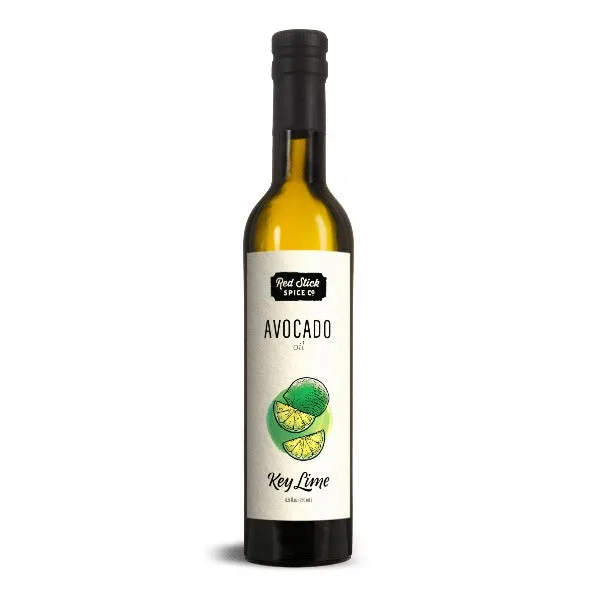
Key Lime Avocado Oil
-
Roasted Garlic Avocado Oil: Marries the rich, sweet flavor of roasted garlic with smooth avocados. The roasted garlic flavor is robust enough for grilling and dressings without overpowering.
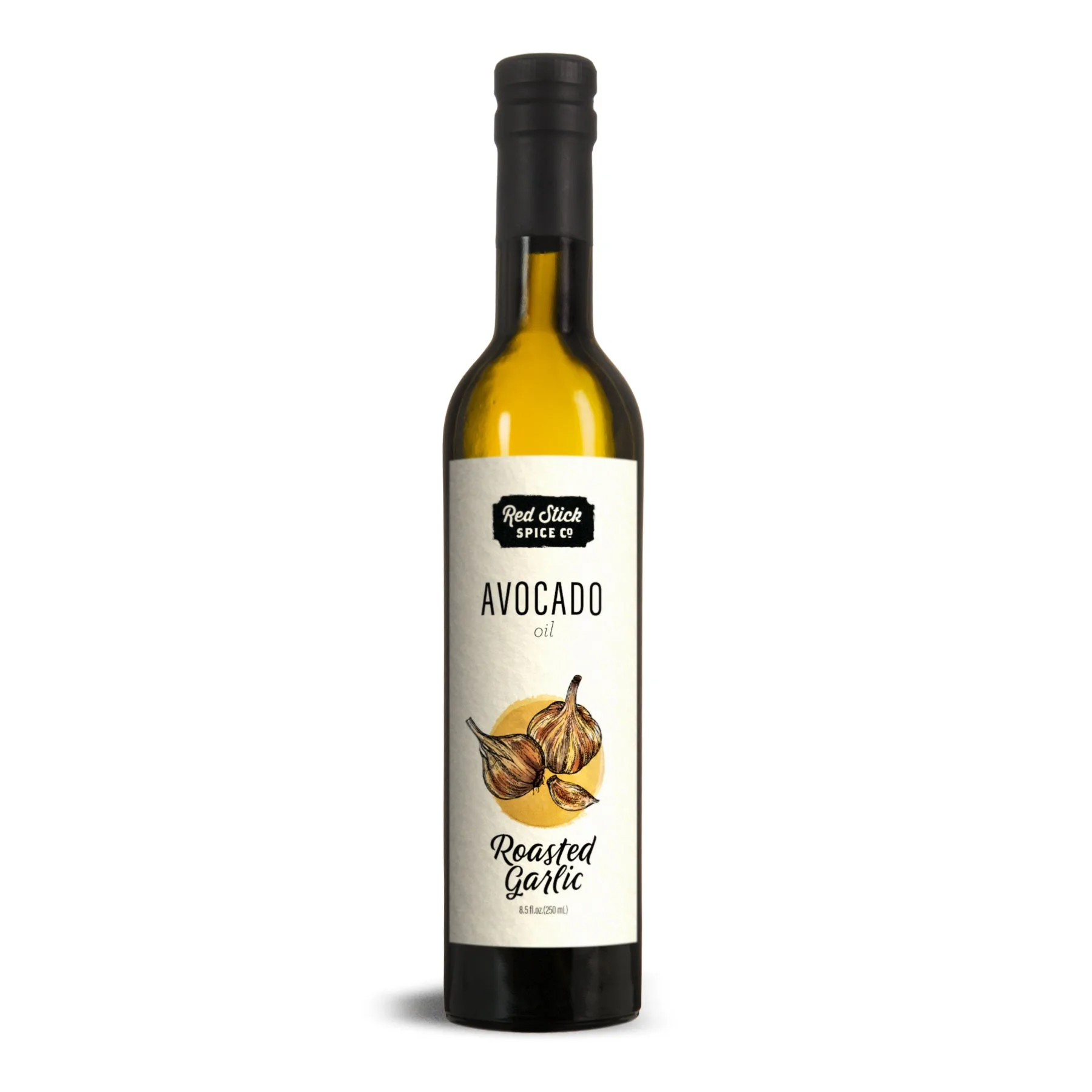
Roasted Garlic Avocado Oil
-
Roasted Chile Avocado Oil: Avocado oil has one of the highest smoke points among cooking oils. This makes the roasted chile oil a reliable choice for wok cooking and cast-iron searing.