If you’ve spent any time scrolling through woodworking forums or watching intricate scroll saw projects, you’ve likely heard about the flex shaft. This accessory promises to transform your scroll saw into a versatile rotary tool, but is it truly a must-have or just a nice-to-have? In this review, we’ll dive into what a flex shaft is, how it works, and whether it deserves a spot in your workshop.
We’ll also compare it to other scroll saw accessories and tools, so you can make an informed decision based on your specific needs. Whether you’re a hobbyist or a professional, understanding the value of a flex shaft can save you time and money.
What Is a Flex Shaft for a Scroll Saw?
A flex shaft is a flexible, rotating shaft that attaches to the motor of a scroll saw, allowing you to use various rotary accessories (like burrs, sanding drums, and cutting bits) in tight spaces or at angles that a rigid tool can’t reach. It essentially turns your scroll saw into a multi-purpose rotary tool, similar to a Dremel but with more power and control.
Most flex shafts consist of a flexible cable housed in a protective sleeve, with a chuck on one end to hold accessories and a fitting on the other to connect to the saw’s motor. They are particularly popular among scroll saw users who do intricate fretwork, inlay, or detailed sanding.
- Ideal for detailed sanding, carving, and drilling in small areas
- Allows better visibility and control compared to handheld rotary tools
- Reduces fatigue by transferring the weight of the motor to the saw
Benefits of Using a Flex Shaft with a Scroll Saw
The primary benefit of a flex shaft is its ability to bring the power of your scroll saw to the workpiece, rather than the other way around. This is especially useful for projects that require precision, such as intarsia or marquetry, where you need to sand or carve in tight corners without damaging surrounding areas.
Another advantage is the continuous speed control that many scroll saws offer. By using the saw’s variable speed, you can adjust the RPM of the flex shaft to match the material you’re working with—from delicate veneers to hardwoods. This level of control is harder to achieve with standalone rotary tools, which often have limited speed settings.
Additionally, a flex shaft can save you money by eliminating the need to purchase a separate rotary tool. If you already own a scroll saw, adding a flex shaft is a cost-effective way to expand its capabilities.
Potential Drawbacks and Considerations
While a flex shaft offers many benefits, it’s not without its downsides. One common issue is the added bulk and weight of the cable, which can be cumbersome if you’re working on large projects. It may also require a bit of practice to handle smoothly, as the flexible nature can lead to vibration or wandering if not held steady.
Another consideration is compatibility. Not all scroll saws are designed to accept a flex shaft. You’ll need to check your saw’s manual or manufacturer’s website to see if a flex shaft is available or if an adapter is needed. Some brands offer proprietary flex shafts, while others use a universal fitting.
Finally, the flex shaft itself is an additional accessory to maintain. The cable may need periodic lubrication, and the chuck can wear out over time. However, with proper care, a quality flex shaft can last for years.
Alternatives to a Flex Shaft: What Else Could You Use?
If you’re not ready to invest in a flex shaft, there are alternatives that might suit your needs. A dedicated rotary tool, such as a Dremel, is a popular choice for detail work. It’s portable and versatile, but it lacks the power and stability of a scroll saw motor.
Another option is to use a drill press with a flex shaft attachment, though this is less common and often more expensive. For sanding tasks, you might consider using a detail sander or a set of hand files, which are cheaper but require more manual effort.
If you’re looking to enhance your scroll saw experience without a flex shaft, consider upgrading other accessories like blades or a better work light. For example, the Veritas Left-Hand Box-Maker’s Plow Plane is a fantastic tool for creating precise grooves, though it’s not directly related to scroll sawing. Similarly, the Roperoller Cam Buckles can help secure your workpiece, making your scroll saw operations safer and more efficient.
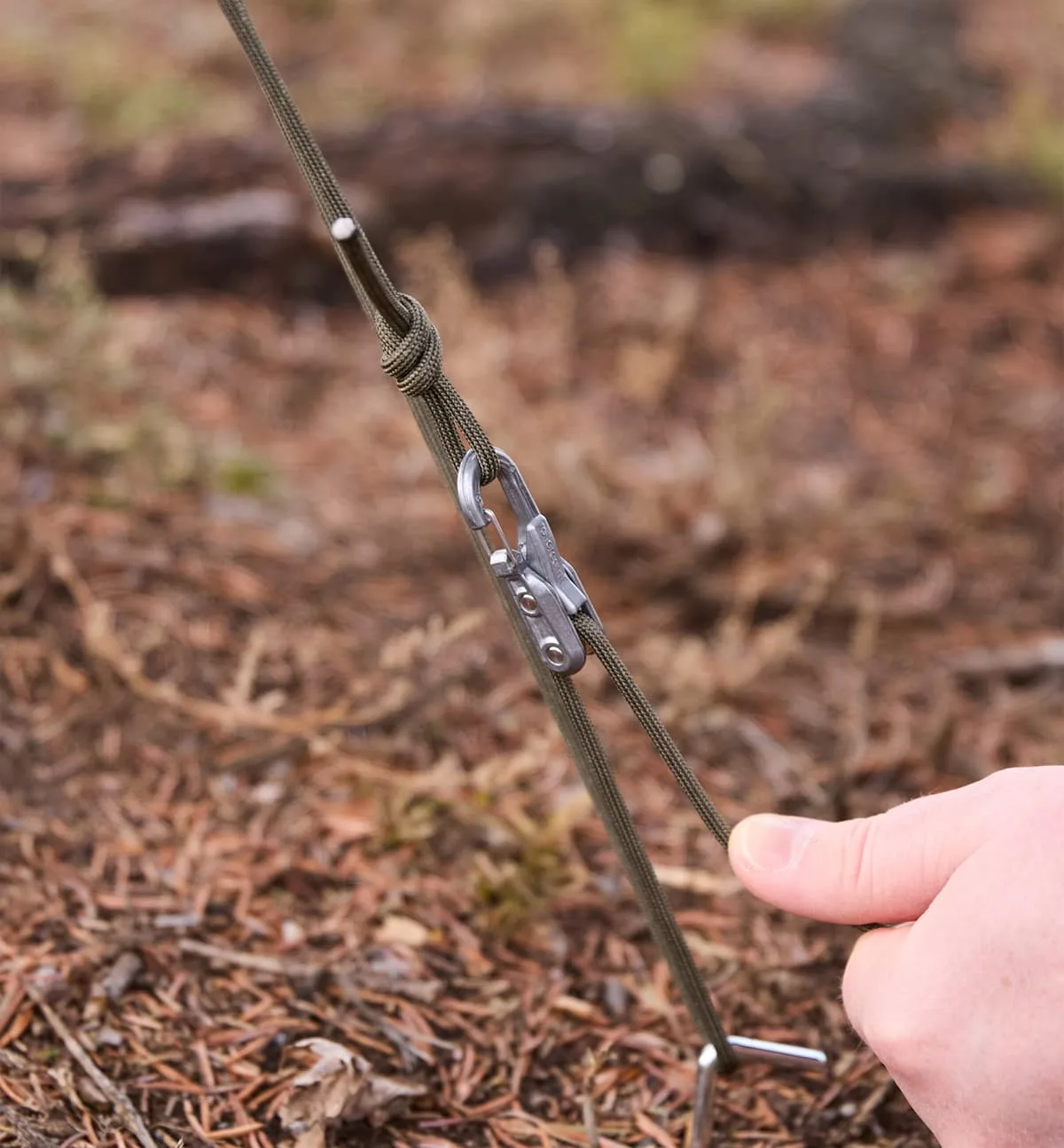
Roperoller Cam Buckles
How to Choose the Right Flex Shaft for Your Scroll Saw
When selecting a flex shaft, consider the length of the cable—longer cables offer more reach but can be harder to control. Also, check the chuck size to ensure it accommodates the accessories you plan to use. Most flex shafts come with a standard 1/8-inch collet, but some accept larger bits.
Look for a flex shaft with a comfortable handpiece. Some models have a ball-bearing handpiece that reduces friction and heat, making them more comfortable for extended use. Additionally, consider the quality of the cable; a braided steel cable is more durable than a plastic one.
Finally, read reviews from other scroll saw users to see which brands and models are most reliable. While you may not find a flex shaft specifically listed in our store, we do carry a range of accessories that can complement your scroll saw work, such as the Heavy-Duty Five-Pattern Nozzle for dust collection or the 14' Power Cord for Mirka DEROS, DEOS & LEROS Sanders if you use a sander in your workflow.
Real-World Applications: When a Flex Shaft Shines
A flex shaft is particularly valuable for projects that involve intricate cuts and subsequent sanding or carving. For example, when creating a wooden jewelry box with delicate inlays, a flex shaft allows you to sand the interior curves with ease. Similarly, for fretwork clocks or ornaments, a flex shaft can help you clean up the edges of tight cuts.
It’s also useful for drilling small holes in precise locations, especially when the piece is too large to fit under a drill press. With a flex shaft, you can bring the drill to the workpiece and maintain a steady hand.
In addition, a flex shaft can be used for engraving or carving details into your projects, adding a personal touch that sets your work apart. The ability to use various burrs and bits makes it a versatile addition to any scroll saw enthusiast’s arsenal.
In summary, a flex shaft for your scroll saw can be a game-changer for detailed work, but it’s not essential for everyone. If you frequently tackle intricate projects that require sanding, carving, or drilling in tight spaces, it’s a worthwhile investment. However, if your scroll saw use is occasional and simple, you might be better off sticking with basic accessories. Consider your specific needs and budget before making a decision. If you’re looking to expand your scroll saw capabilities, explore our range of accessories and tools to find the perfect addition to your workshop.