Quick answer
For most families, kids sliders are the most versatile summer shoe because they stay on during active play and dry fast. Choose kids flip flops only for short walks on hot sand or pool decks, and pick kids sandals when you need secure straps for longer walks or uneven ground. If you want one pair that handles the beach, the pool, and the playground, start with sliders.
The core trade-off: stay-on security vs. quick on-and-off
Flip flops rely on a toe post and a loose sole, so they come off easily when a child runs or steps in mud. Sliders use a wide strap across the top of the foot, which keeps them on during active play but still lets kids slide them on without help. Sandals add heel or ankle straps for the most secure fit, but they take longer to put on and can stay wet longer because of more material.
Think about how your child will use the shoe. If they will be in and out of water all day, sliders win on convenience. If they will walk several blocks to the pool, sandals with a back strap reduce the chance of tripping. Flip flops are best for short, supervised wear.
When flip flops make sense (and when they don't)
Flip flops are the easiest shoes to rinse and dry, which makes them a practical choice for showers, pool decks, and hot sand. They also pack flat, so they take up almost no space in a beach bag.
The downside is stability. Without a heel strap, kids have to grip with their toes to keep flip flops on, which can lead to tripping or foot fatigue on longer walks. Save flip flops for calm, short-distance wear and choose a pair with a slightly thicker sole if your child will be on hot pavement.
Sliders: the everyday summer workhorse
Sliders cover the top of the foot with a wide band, so they stay on better than flip flops during playground time, camp drop-off, and casual walks. They are still easy for kids to put on themselves, which matters when you are managing sunscreen and towels.
Look for a slider with a soft, flexible strap and a textured footbed. A smooth footbed can get slippery when wet. Because sliders have less coverage than sandals, they are not the best choice for long hikes or rocky trails.
Sandals: best for longer walks and uneven ground
Sandals with adjustable straps across the instep and around the heel give the most secure fit. That makes them the best summer shoes for kids who walk to school, join family hikes, or need extra support on cobblestones and boardwalks.
The trade-off is weight and dry time. More straps and cushioning mean sandals take longer to dry after water play. If your child will be in and out of the pool, choose a quick-drying sandal with minimal padding, or keep a separate pair of pool shoes.
Fit guidance for growing feet
Summer shoes should fit with a small amount of room at the toe, but not so much that the foot slides forward. For flip flops and sliders, the heel should sit fully on the footbed with no more than a finger's width behind the heel. For sandals, adjust the straps so you can still slide one finger under the instep strap.
Measure feet later in the day, when they are slightly larger. If your child is between sizes, size up for sliders and sandals with adjustable straps, but stay true to size for flip flops because extra length increases tripping risk. Always check that the shoe does not rub the top of the foot or the heel.
Materials and care that survive summer
Water-friendly materials like EVA foam, rubber, and quick-drying nylon are the easiest to rinse and air-dry. Avoid heavy leather or suede for pool and beach use unless you plan to keep them dry. To prevent odor, rinse shoes with fresh water after saltwater or chlorinated pools and let them dry completely in the shade, not direct sun, which can warp some foams.
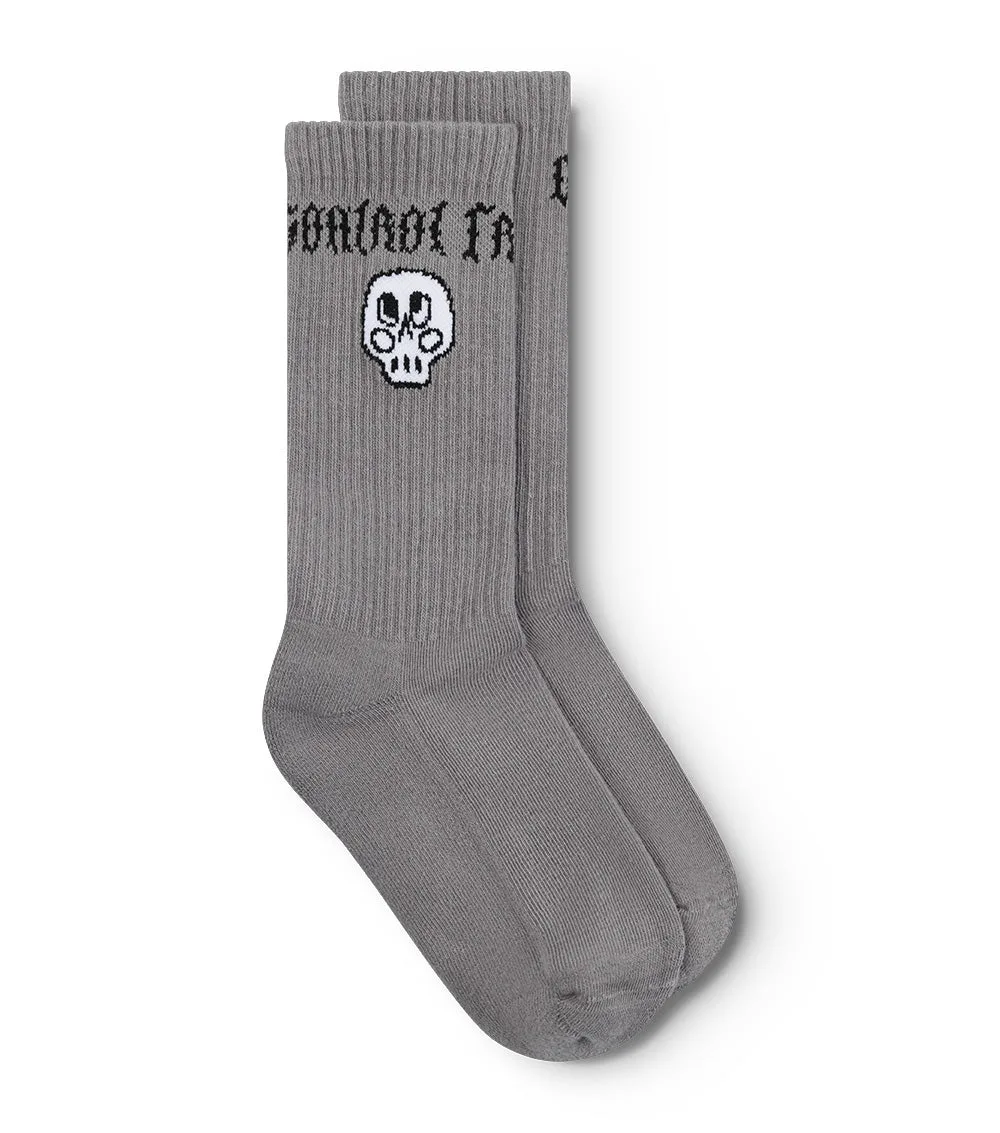
For kids who wear socks with their summer shoes, choose thin, breathable socks that wick moisture. Our silou skull socks are a gender-neutral option with a stretchy fit that works in sliders and sneakers when the weather cools off.
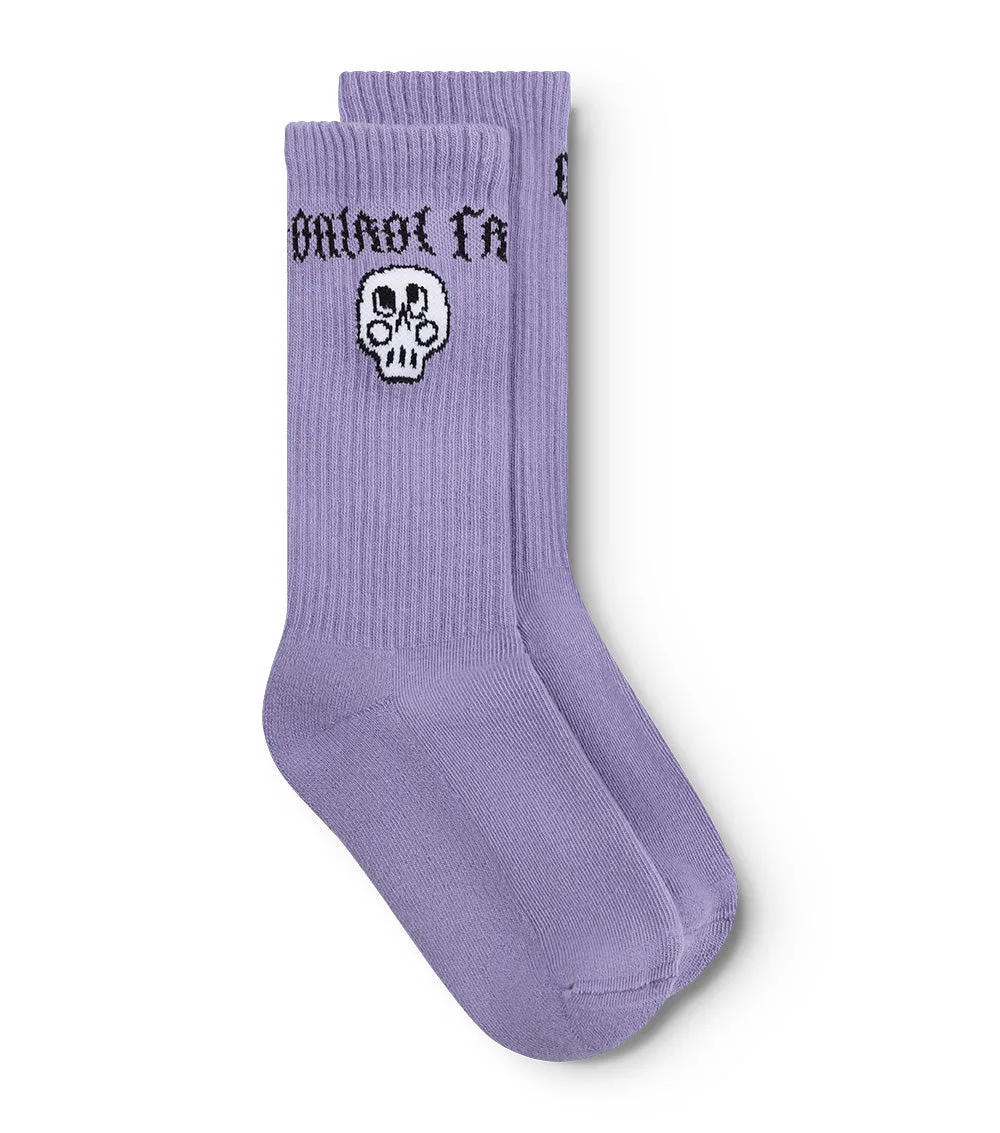
silou skull socks
Decision rules for summer shoes
- If your child will be in and out of water all day: Choose sliders or quick-drying sandals. They stay on during active play and dry faster than flip flops with foam soles. Sliders are the easiest for kids to manage alone.
- If your child will walk more than a few blocks: Choose sandals with a back strap and adjustable instep. Flip flops lack heel security and can cause tripping on longer walks. Sandals are the safest for distance and uneven ground.
- If you need a backup shoe for the beach bag: Choose flip flops because they pack flat and rinse clean. They are ideal for hot sand and pool decks but not for all-day wear. Keep flip flops for short, supervised use.
- If your child has wide or high-volume feet: Look for sliders with an adjustable strap or sandals with multiple hook-and-loop closures. Flip flops with a fixed toe post may rub. Adjustability is key for a comfortable fit.
Product facts to know
- silou skull socks: silou skull socks are super comfy and stretchy for total movement, in a sleek concrete color with a kooky skull silhouette created in collaboration with artist Shai Id Alony. These socks add a fun, gender-neutral layer under sliders or sneakers on cooler summer evenings and can help prevent blisters from straps.
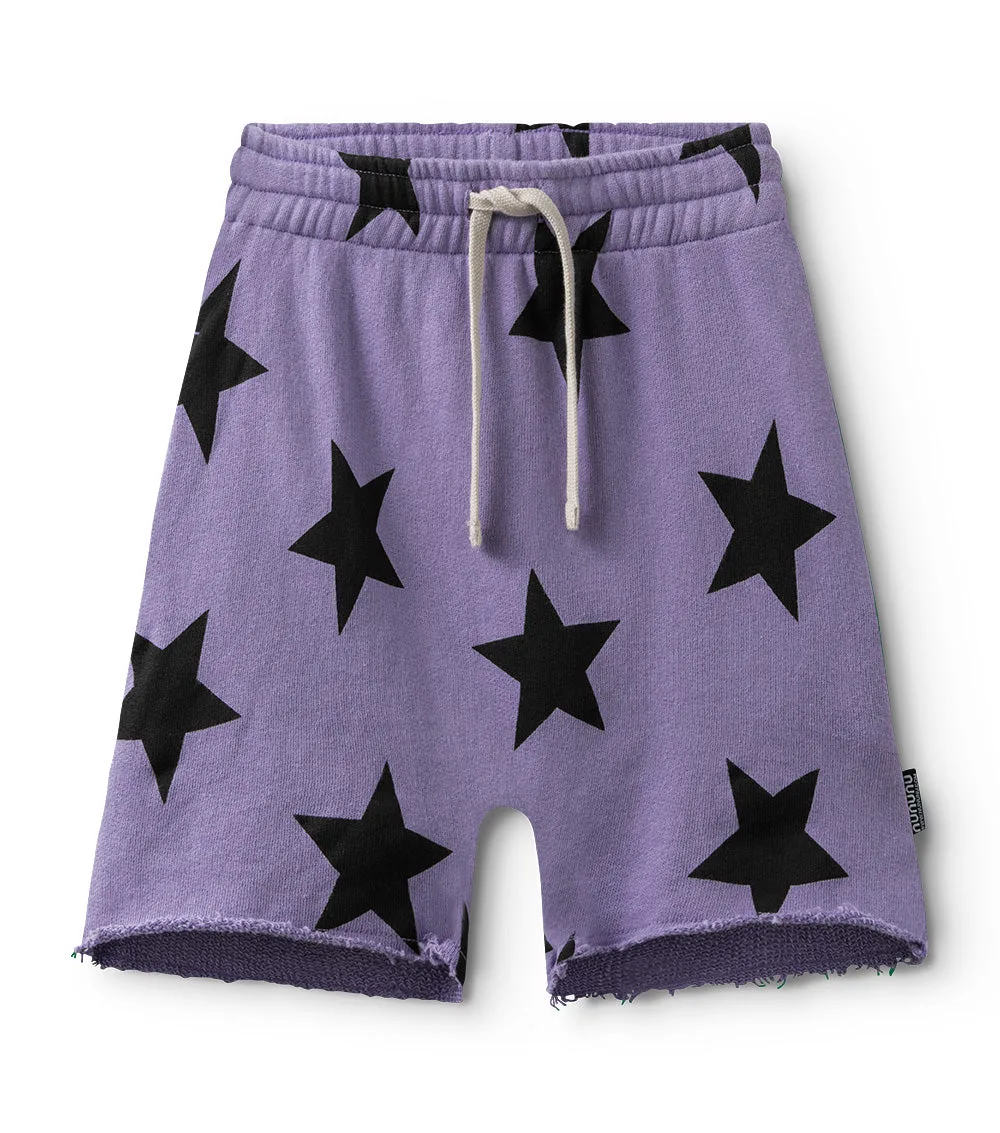
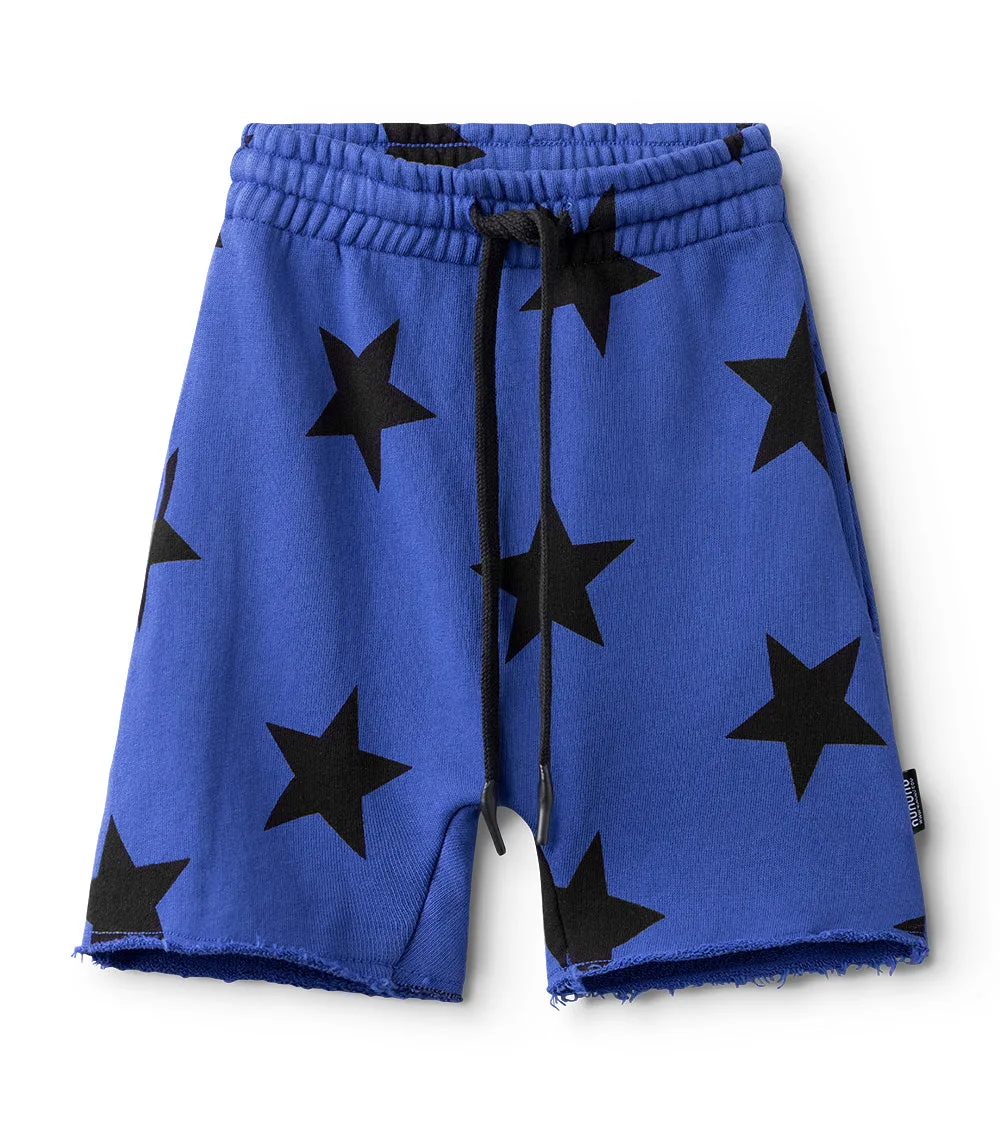
- star rounded sweatshorts: https://nununuworldedf.com/products/star-rounded-sweatshorts-dyed-graphite-289b6a374c8e0b531816c0f2-1035271https://nununuworldedf.com/products/star-rounded-sweatshorts-blue-28c707a0a21456c802c86ed1-1035277https://nununuworldedf.com/products/star-rounded-shorts-mauve-mist-8e22ea68b636455b378ce6d8-1035560star rounded sweatshorts are made from 100% French terry cotton, pre-washed for a soft, lived-in feel and lasting fit, with an elastic waistband and adjustable drawstring. These shorts pair easily with any summer shoe and the adjustable waist keeps them in place during active play, so kids can focus on fun instead of tugging at their clothes.
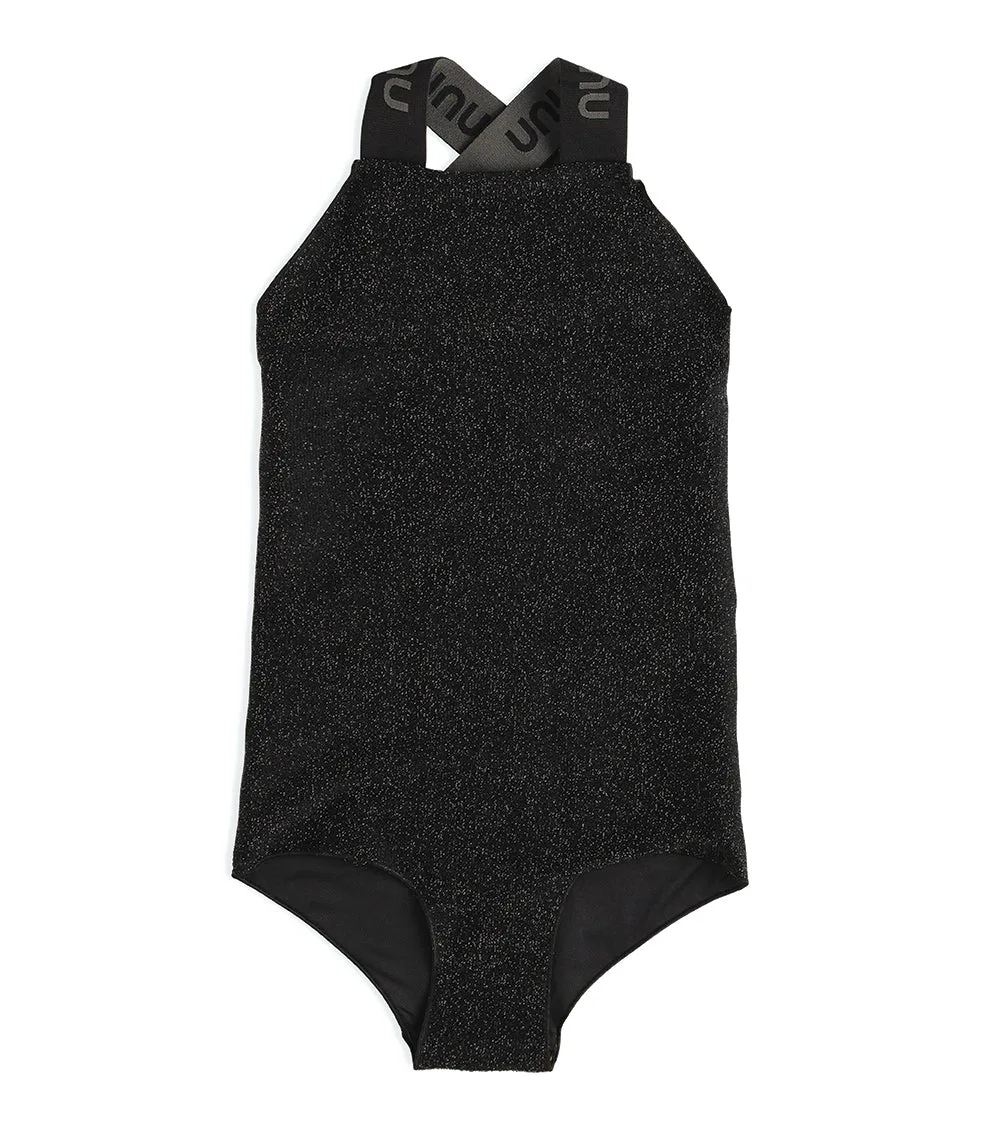
- sporty swimsuit: sporty swimsuit is a sparkly girls' sprinkled black swimsuit with a sportier, more athletic cut, a high neck, and wide elastic straps featuring the brand's 'team' logo. A secure swimsuit stays in place during water play, so you can pair it with sliders or sandals for a full pool-day outfit without readjusting.
- camouflage hat: camouflage hat is made from satin-like nylon with cotton lining, in earth-inspired colors, and is a unisex bucket hat that shades little faces from the sun or keeps them warm on fresh spring days and summer nights. A bucket hat adds sun protection for the beach or pool and works with any summer footwear choice, keeping the whole outfit practical.
Fit guidance
Best for
- Kids who need to put shoes on independently
- Families who want one versatile pair for pool, beach, and playground
- Children with average-width feet who need quick-drying footwear
Not for
- Long hikes or rocky trails (choose closed-toe sandals or sneakers instead)
- Kids who need extra ankle support
- Cold or rainy weather