When it comes to your toddler's sleep environment, the debate between a floor bed and a crib is more than just a design choice—it's a decision that can shape your child's independence and sleep habits. In Montessori philosophy, the floor bed is a cornerstone of the prepared environment, offering freedom of movement and fostering self-reliance from an early age. But is it right for every family? This guide explores the key differences, benefits, and practical steps for transitioning from a crib to a floor bed, helping you make an informed choice that supports your child's development.
Whether you're a seasoned Montessori parent or just beginning your journey, understanding the nuances of floor bed vs. crib can transform your approach to sleep. We'll cover safety considerations, age recommendations, and how to set up a nurturing sleep space that encourages your toddler to explore and rest peacefully. By the end, you'll have a clear roadmap for a smooth transition that honors your child's growing independence.
What Is a Floor Bed and Why Choose It Over a Crib?
A floor bed is exactly what it sounds like: a mattress placed directly on the floor or on a low bed frame, allowing your child to get in and out independently. Unlike a crib, which confines the baby, a floor bed gives toddlers the freedom to move, explore, and self-soothe. This aligns with Montessori principles that emphasize respect for the child's autonomy and natural development. Many parents find that floor beds reduce sleep struggles because children feel empowered rather than trapped.
The benefits extend beyond independence. Floor beds eliminate the risk of climbing-related falls from crib rails, and they make nighttime nursing or comforting easier for parents. They also transition seamlessly from infancy to toddlerhood—no need for a separate toddler bed. For families embracing Montessori at home, a floor bed is often the first step in creating a child-centered bedroom where the child can see their environment and make choices about when to sleep or play.
- Encourages self-regulation and motor skill development as children learn to get in and out of bed on their own.
Floor Bed vs. Crib: Key Differences at a Glance
To help you decide, let's compare the two options across several important factors. Cribs offer a contained sleep space with high sides, which can feel secure for newborns but restrictive for mobile toddlers. Floor beds, on the other hand, provide an open environment that promotes exploration. Safety considerations also differ: cribs meet strict federal safety standards, while floor beds require a childproofed room with no hazards like cords or sharp edges.
Another key difference is longevity. A crib typically lasts until around age three, after which you need a toddler bed or twin bed. A floor bed can be used from birth (with a firm mattress and safe sleep practices) through the preschool years, making it a more versatile investment. However, some parents worry about the floor bed's lack of containment, especially if the child tends to roll off. In practice, most toddlers adjust quickly, and a low bed frame or side rail can provide extra security.
- Crib: Contains child, reduces wandering, but limits independence and requires later transition.
- Floor bed: Promotes freedom, works for multiple ages, but demands a fully childproofed room.
How to Transition from Crib to Floor Bed: A Step-by-Step Guide
Transitioning from a crib to a floor bed doesn't have to be stressful. Start by preparing the room: remove any furniture that could tip, cover electrical outlets, and ensure all cords are out of reach. Choose a firm, low-profile mattress—many parents opt for a twin or full size to allow room to grow. Place the mattress in a corner or against a wall to create a cozy nook. Introduce the floor bed during the day for play and naps before attempting overnight sleep.
For a smooth transition, involve your child in the process. Let them help choose sheets or arrange stuffed animals on the new bed. Maintain consistent bedtime routines, and be patient if your toddler tests their new freedom by getting up multiple times. Some families use a baby gate at the door to keep the child in the room while still allowing independence. Over time, most children adapt within a week or two, and parents report improved sleep quality and fewer night wakings.
- Childproof the entire room, not just the bed area, to ensure safety during nighttime exploration.
Safety Tips for Floor Bed Use
Safety is the top concern for parents considering a floor bed. First, ensure the mattress is firm and fits snugly against the wall or a bed frame to prevent gaps where a child could get stuck. Avoid pillows and heavy blankets for infants under 12 months. The room should be free of dangling cords, window blind strings, and small objects that pose choking hazards. Use outlet covers and anchor any tall furniture to the wall.
For older toddlers, a low bed frame like the Birch Montessori Floor Bed can provide a defined sleep space while keeping the mattress off the floor for airflow and ease of cleaning. This model features a simple, safe design that complements any nursery. If you have multiple children or a larger room, consider adding an Additional Birch Floor Bed Side to create a barrier that prevents rolling off. Always follow safe sleep guidelines from the American Academy of Pediatrics until your child is at least one year old.
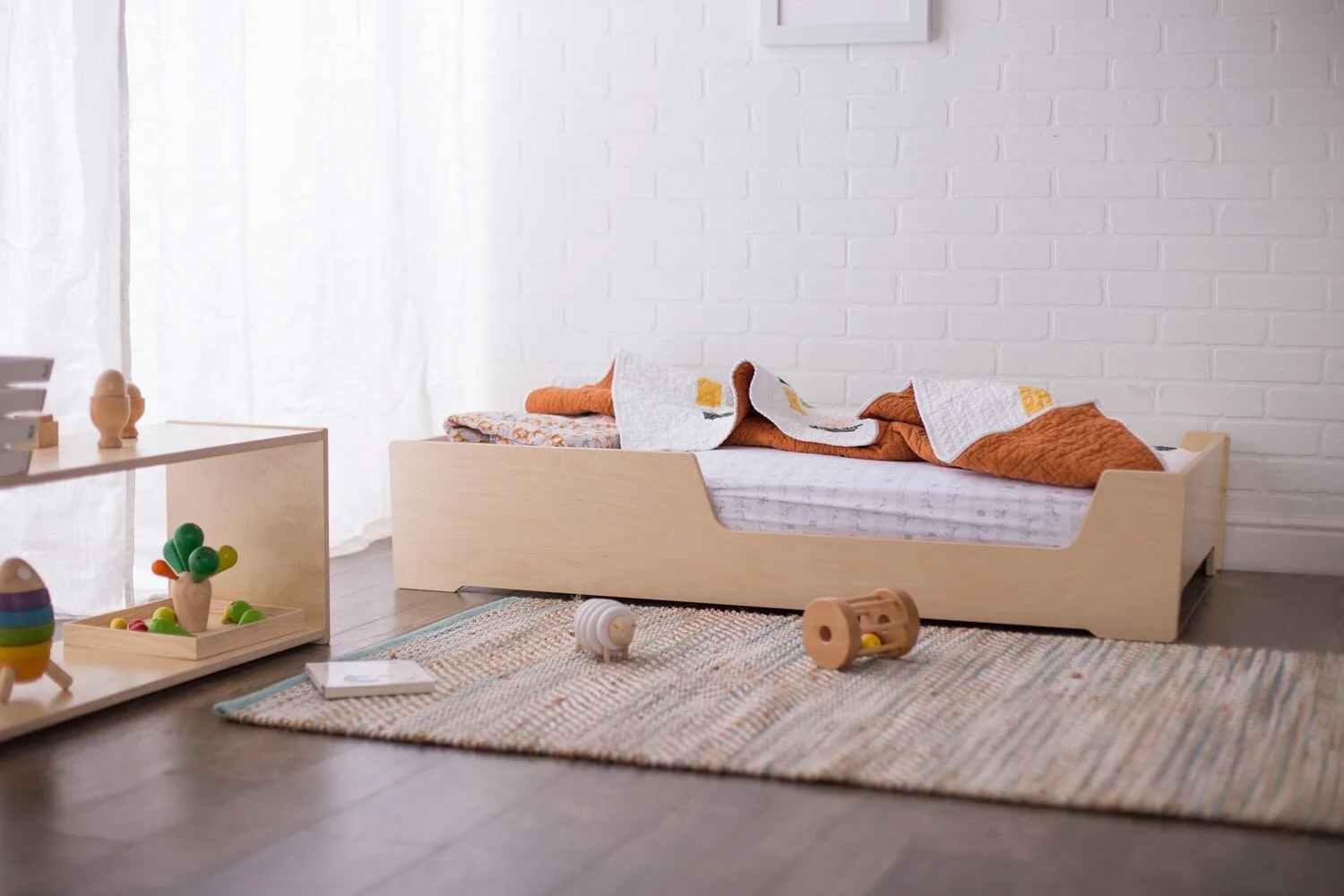
Additional Birch Floor Bed Side
Floor Bed Benefits for Toddler Independence and Development
One of the most compelling reasons to choose a floor bed is the boost it gives to your toddler's independence. From the ability to get up and choose a book from a low shelf to the freedom to crawl out of bed for a drink of water, floor beds empower children to meet their own needs. This fosters confidence, problem-solving skills, and a sense of ownership over their sleep space. Montessori educators often note that children with floor beds develop better self-regulation and are more willing to sleep alone.
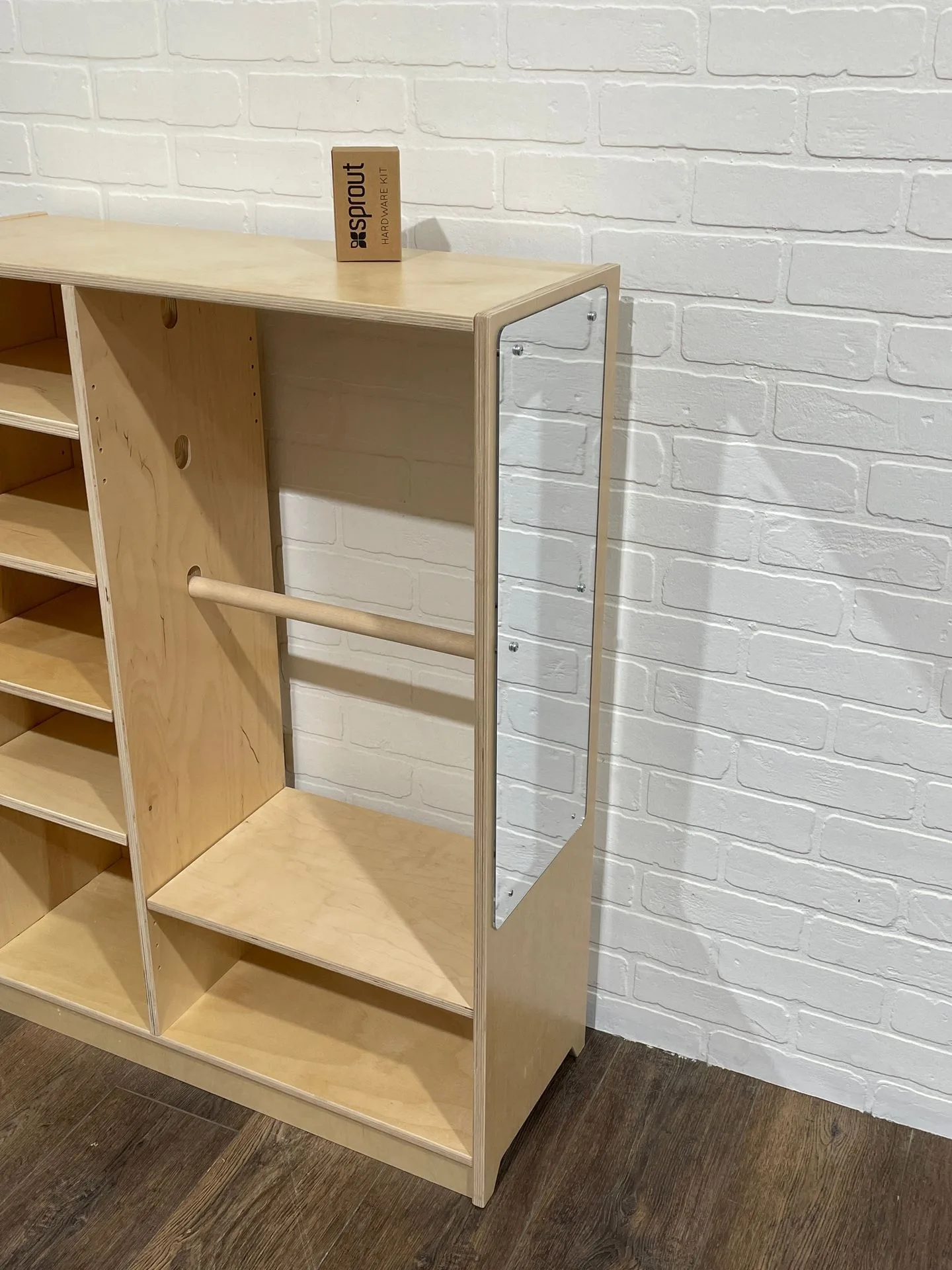
Additionally, floor beds encourage gross motor development. Climbing in and out of bed strengthens core muscles and coordination. The low height also makes it easy for parents to sit beside their child during bedtime stories or comforting moments. For families who value a minimalist, child-centered home, a floor bed is a natural fit. It pairs beautifully with other Montessori furniture like the Home Montessori Open Back Shelving, which allows children to see and access their toys and books independently, creating a cohesive learning environment.
When to Start Using a Floor Bed: Age and Readiness
While some Montessori families introduce a floor bed from birth (using a firm mattress and following safe sleep guidelines), most experts recommend waiting until your baby can roll over independently, around 4-6 months. For toddlers transitioning from a crib, the ideal window is between 18 months and 3 years, when they start climbing out of the crib or showing signs of wanting more freedom. Every child is different, so look for cues like attempting to climb, resisting the crib, or showing interest in sleeping on a mattress on the floor.
If your child is younger than 12 months, prioritize safe sleep practices: no soft bedding, a firm mattress, and a room that is completely bare of hazards. For older toddlers, the transition can be a positive milestone. Consider pairing the floor bed with a child-sized table and chair set, like the Weaning Kids Table, to create a complete Montessori bedroom where your child can eat, play, and rest independently. This holistic approach reinforces the principles of autonomy and respect that define Montessori education.
Choosing between a floor bed and a crib ultimately comes down to your family's values, your child's temperament, and your commitment to creating a safe, prepared environment. The floor bed offers unparalleled freedom and developmental benefits, but it requires thoughtful preparation and patience during the transition. Whether you start from birth or switch later, the key is to honor your child's growing independence while keeping safety at the forefront. Explore our collection of Montessori-friendly sleep solutions, including the Birch Montessori Floor Bed, to find the perfect foundation for your child's restful nights and adventurous days.