Quick Answer
For most baking, start with all-purpose flour for its balanced protein and versatility. If you want more fiber and a nuttier taste, choose whole wheat flour, but be ready to adjust liquid and rising time. For specific recipes like bread or pastries, match the flour protein level to the desired texture.
Baking is both an art and a science, and the type of flour or cereal grain you choose can make or break your recipe. With so many options on the shelf, it's easy to feel overwhelmed. This guide breaks down the most common flour types and gives you simple rules to pick the right one for your baking project.
We'll cover all-purpose, whole wheat, and specialty flours, plus how cereal grains like oats and barley fit in. You'll learn what protein content means for your dough, how to substitute flours, and when to stick with the recipe. By the end, you'll be confident in your flour choices.
Why Flour Type Matters
Flour is not just a powder; it's a blend of proteins, starches, and fibers that determine your baked good's structure. The protein content, usually listed as a percentage, is the biggest factor. Higher protein flours, like bread flour, form more gluten, giving chewy breads their structure. Lower protein flours, like cake flour, produce tender, crumbly textures.
Whole wheat flour retains the entire grain, including the bran and germ, which adds fiber and nutrients but also affects how the flour absorbs water and rises. All-purpose flour sits in the middle, with a protein level that works for many recipes. Knowing these differences helps you choose a flour that matches your desired outcome.
- Check the protein percentage on the bag: 10-12% for all-purpose, 12-14% for bread, 8-9% for cake.
- Whole wheat flour absorbs more liquid, so you may need to add extra water or milk.
- For a lighter texture, sift flour before measuring.
All-Purpose Flour: The Versatile Choice
All-purpose flour is the workhorse of the baking world. With a moderate protein content, it works for cookies, muffins, pancakes, and even some breads. It's a reliable choice if you bake a variety of items and don't want to stock multiple flours.
When a recipe just says 'flour,' it usually means all-purpose. It gives you a good balance of structure and tenderness. If you're new to baking, start here. It's forgiving and produces consistent results.
- Ideal for cookies, cakes, muffins, and quick breads.
- Can be used in yeast breads, but the texture will be softer than bread flour.
Whole Wheat Flour: More Fiber, More Flavor
Whole wheat flour is made from the entire wheat kernel, so it's higher in fiber and nutrients than white flours. It has a nutty, earthy flavor and a denser texture. It's a great choice for bread, muffins, and pancakes when you want a heartier result.
Because whole wheat flour absorbs more water, you often need to increase the liquid in your recipe by a few tablespoons. The dough will also take longer to rise if you're making bread. Many bakers use a mix of whole wheat and all-purpose flour to get the best of both worlds: nutrition and texture.
- Replace up to half of the all-purpose flour with whole wheat in most recipes.
- Add extra liquid (1-2 tablespoons per cup) to compensate for higher absorption.
- Let whole wheat bread dough rise longer for a lighter loaf.
Specialty Flours: When to Use Them
Beyond all-purpose and whole wheat, there are specialty flours like bread flour, cake flour, and pastry flour. Bread flour has higher protein for chewier breads. Cake flour has lower protein for tender cakes. Pastry flour falls in between, ideal for pie crusts and pastries.
If you bake frequently, investing in these flours can elevate your results. But they're not essential for every baker. You can approximate bread flour by adding vital wheat gluten to all-purpose, or make cake flour by removing a bit of starch. Specialty flours are worth it if you're serious about a specific bake.
- Bread flour: best for yeast breads, pizza dough, and bagels.
- Cake flour: best for light, airy cakes and cupcakes.
- Pastry flour: best for pie crusts, biscuits, and scones.
Cereal Grains in Baking
Cereal grains like oats, barley, and rye can add texture and flavor to your baked goods. Rolled oats are great in cookies and crumb toppings. Barley flour has a mild, nutty taste and can be used in breads and muffins. Rye flour is common in sourdough and dense breads.
These grains often contain less gluten than wheat, so they need to be combined with wheat flour for structure. Start by substituting a small portion of the flour in your recipe with these grains to see how they affect the texture.
- Use rolled oats in cookies and granola bars.
- Mix barley flour with whole wheat for a rustic bread.
- Rye flour works well in sourdough, but keep the percentage low (20-30%) for a lighter loaf.
Decision Rules for Choosing Flour
- If you bake a variety of items: Choose all-purpose flour for its balanced protein and versatility. It works for cookies, cakes, muffins, and more. Start with all-purpose flour.
- If you want more fiber and a nutty flavor: Choose whole wheat flour, but increase liquid by 1-2 tablespoons per cup and allow longer rising time for breads. Use whole wheat for hearty breads and muffins.
- If you're baking a specific type of bread or pastry: Choose a specialty flour: bread flour for chewy breads, cake flour for tender cakes, or pastry flour for flaky pastries. Match the flour to the desired texture.
Related Haramain Products
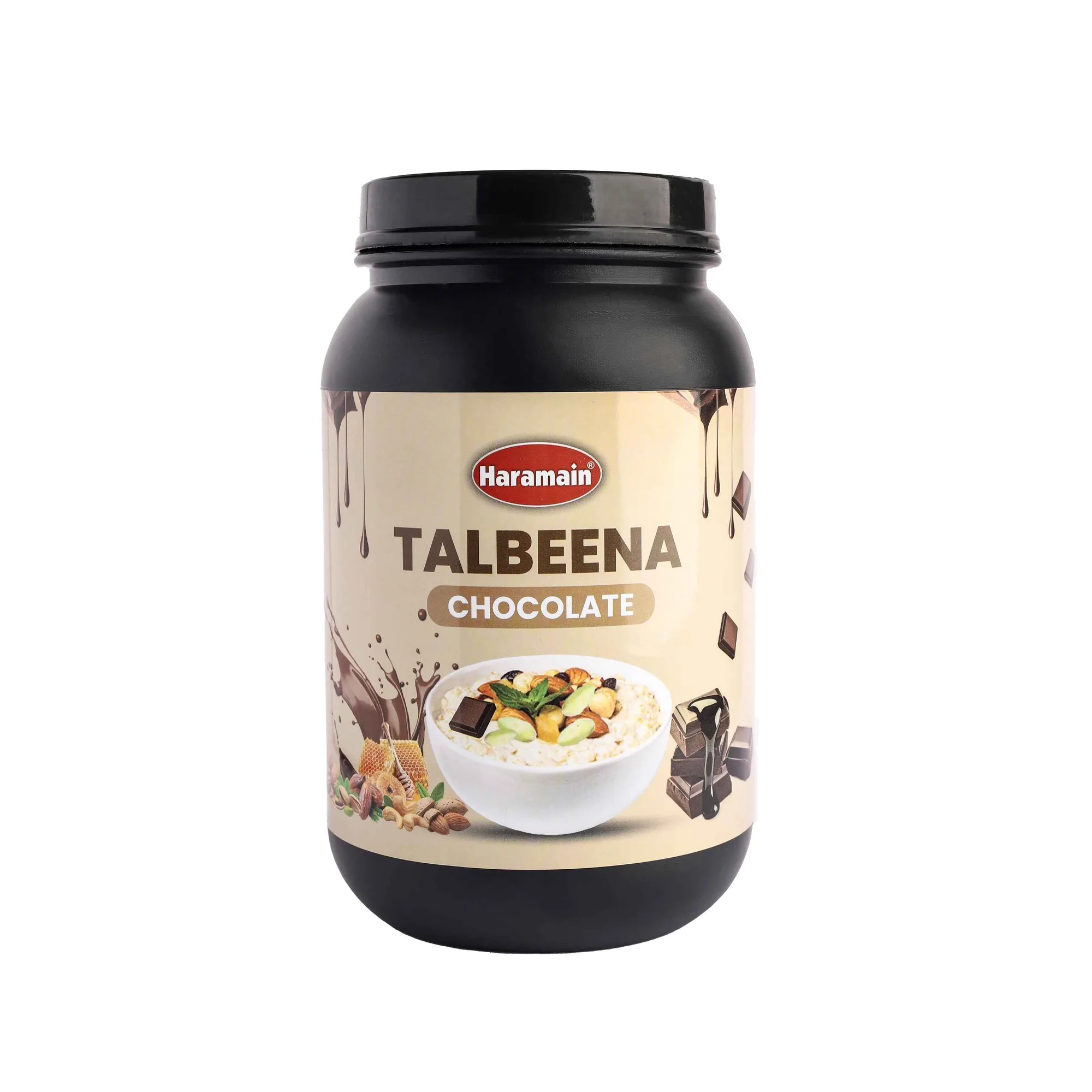
- Chocolate Talbeena: Chocolate Talbeena is a special drink that feels like a dessert while being full of nutrition. Prepared from wholesome grains and genuine cocoa, every sip proceeds in providing energy and comfort. If you enjoy baking with cereal grains, this drink is a convenient way to enjoy the comfort of grains without the effort of baking. It's a tasty option for a quick energy boost.
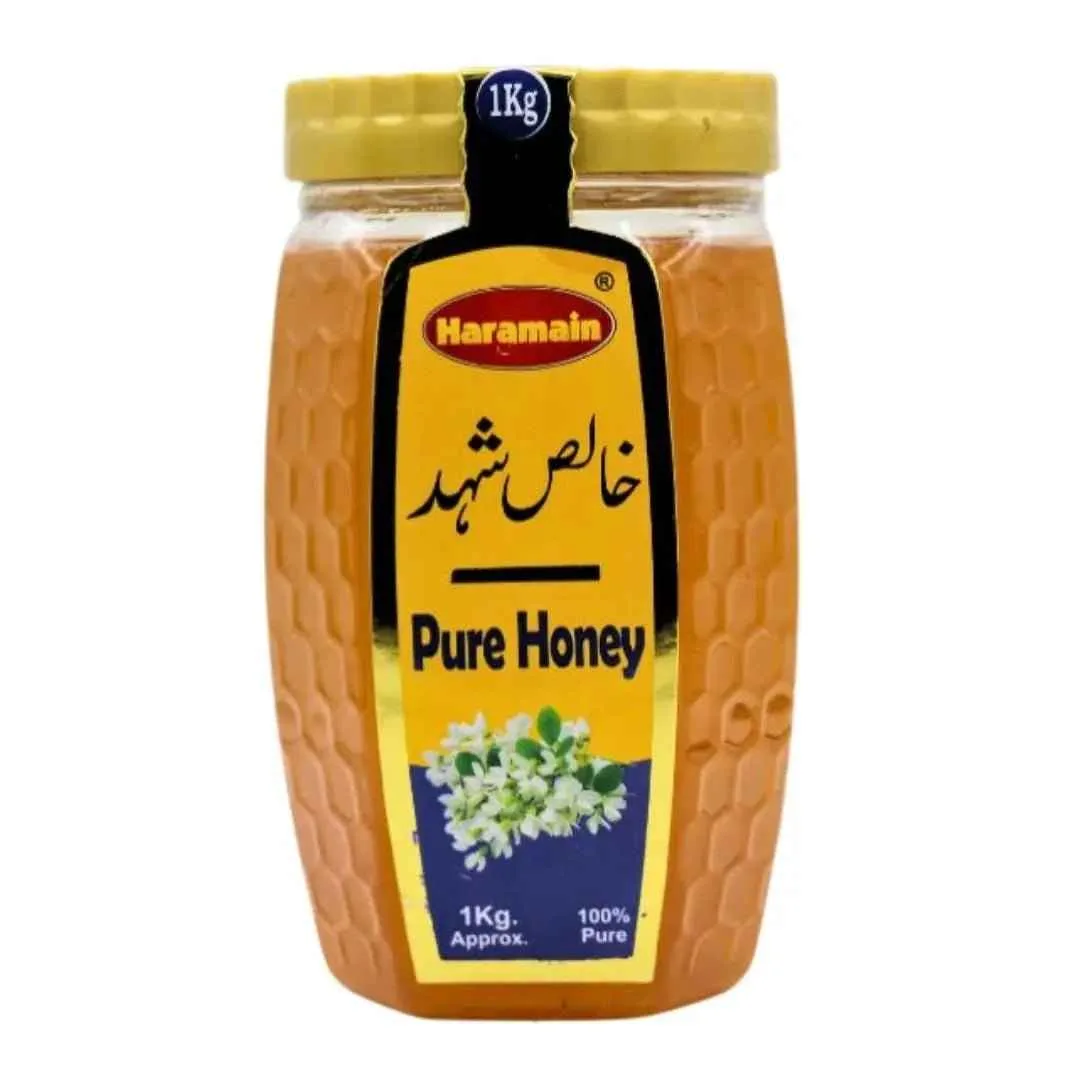
- Pure Honey: Pure Honey by Haramain Foods is made from the finest flowers and collected with care straight from nature. It's a golden treasure filled with purity, tradition, and wellness. Honey can be used as a natural sweetener in baking. Replacing sugar with honey in your recipes can add moisture and a rich flavor, and Pure Honey is a high-quality choice.
Flour Fit Guide
Best for
- Everyday bakers who want a versatile, reliable flour for cookies, cakes, and quick breads.
- Health-conscious bakers who prefer whole grain options with more fiber.
Not for
- Gluten-free baking, since wheat flours contain gluten.
- Professional bakers who need exact protein levels for complex recipes.
Choosing the right flour doesn't have to be complicated. Start with all-purpose for versatility, switch to whole wheat for more nutrition, and use specialty flours when you want a specific texture. Remember to adjust liquids and rising times when using whole grains. With these rules, you'll bake with confidence every time.