Quick Answer
Flour setting powder is a modern makeup product designed to set foundation and concealer, while baking powder is a kitchen staple repurposed for makeup. For long-lasting wear and a smooth finish, especially on oily skin, a dedicated setting powder like Beauty Bakerie's Rice (White) Loose Flour Setting Powder is the safer and more effective choice.
If you've ever run out of setting powder, you might have wondered whether baking powder from the kitchen could do the job. After all, both are powders, and both claim to keep makeup in place. But the truth is, they are not interchangeable, and using baking powder on your face can lead to irritation and a cakey finish.
In this comparison, we'll break down the differences between flour setting powder and baking powder, explain what each does best, and help you decide which one belongs in your makeup bag. We'll also look at loose versus pressed formulas so you can choose the right texture for your skin type and routine.
What Is Flour Setting Powder?
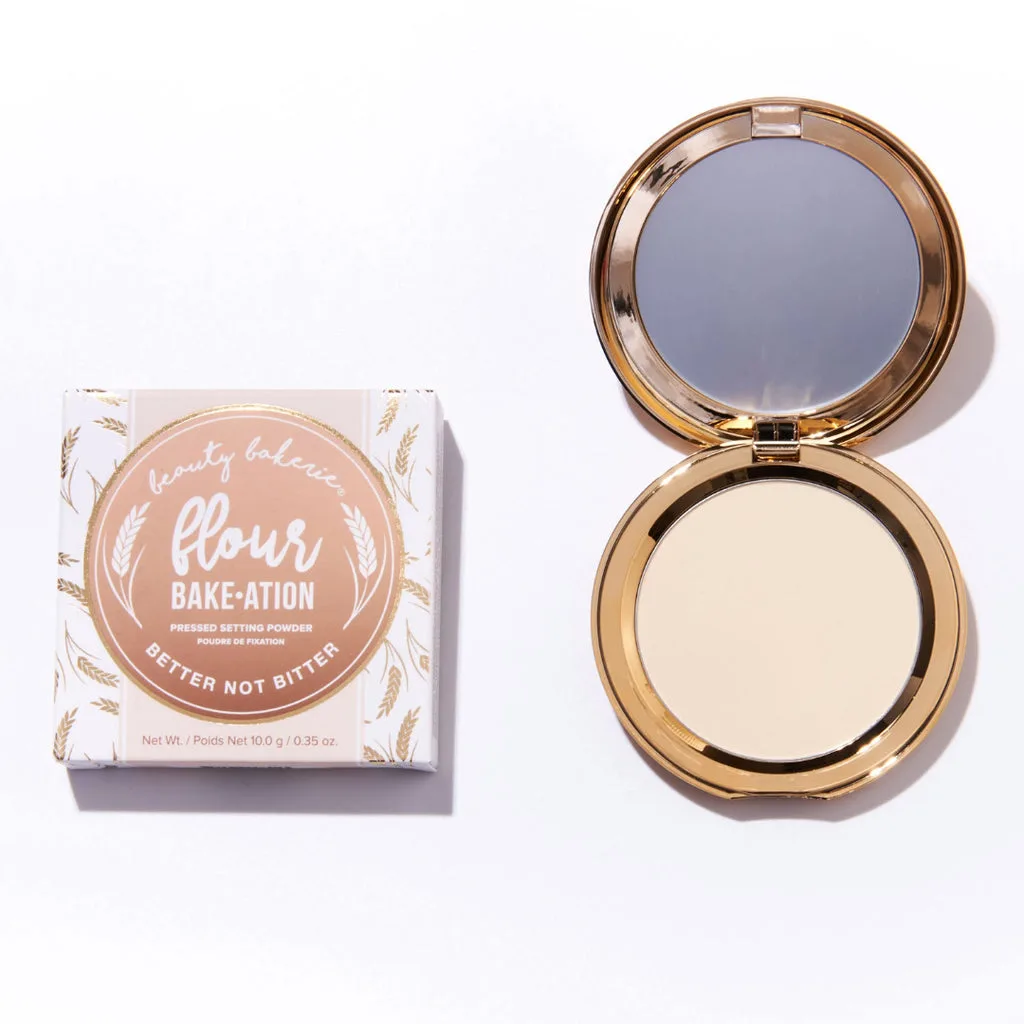
Flour setting powder is a cosmetic product formulated specifically for the face. It typically contains finely milled ingredients that help absorb excess oil, blur the appearance of pores, and lock in your foundation and concealer. Unlike baking powder, it is designed to sit on the skin without causing irritation or clogging pores.
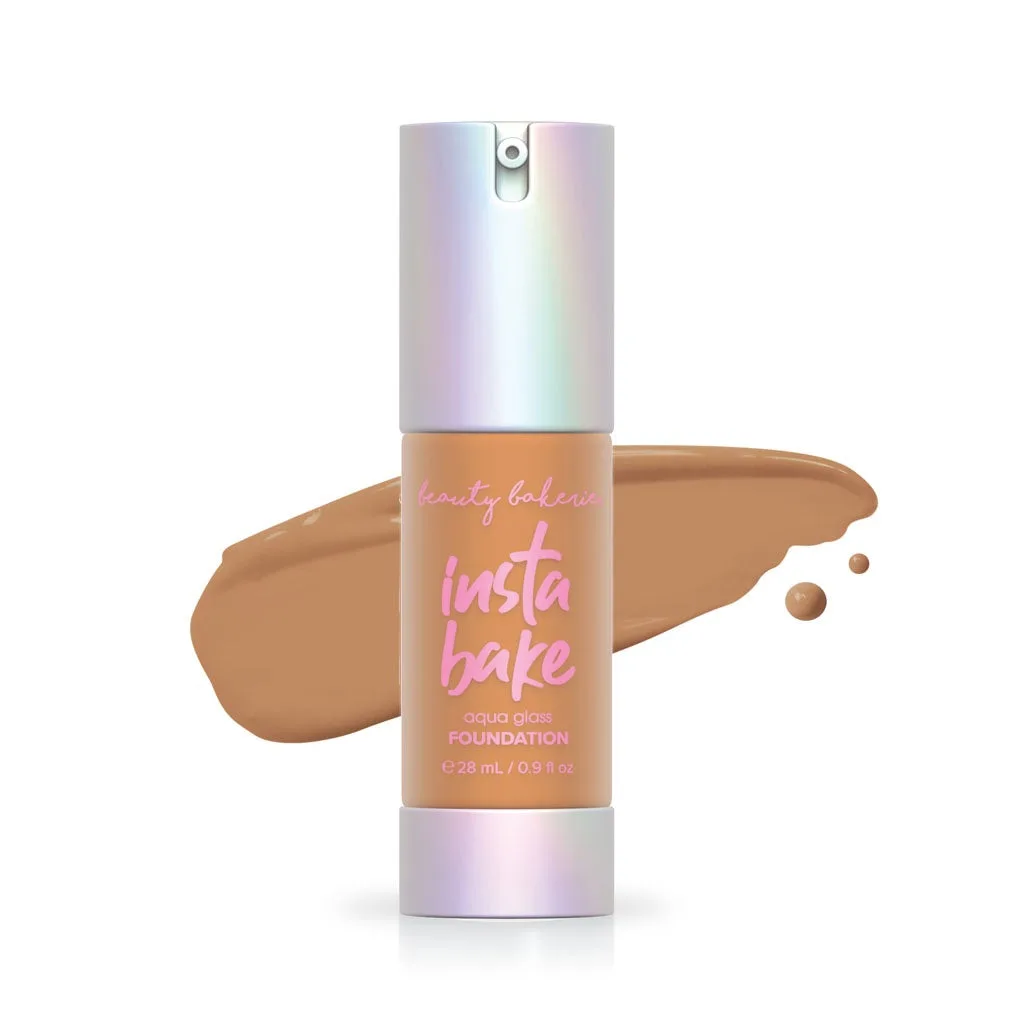
For example, Beauty Bakerie's Rice (White) Loose Flour Setting Powder is a finely-milled, gluten-free, and vegan formula. It is lightly tinted and features an HD quality that blurs pores and softens the complexion, leaving a matte finish. This makes it a reliable choice for setting makeup for long days, especially if you have oily skin.
- Look for finely-milled, non-comedogenic formulas to avoid clogging pores.
- Choose a shade that matches your skin tone or is slightly translucent for a natural finish.
What Is Baking Powder?
Baking powder is a leavening agent used in cooking and baking. It contains a combination of baking soda, an acid (like cream of tartar), and a starch. When mixed with liquid and heat, it produces carbon dioxide gas, which helps baked goods rise.
Some people use baking powder as a DIY setting powder because it has a fine texture and can absorb oil. However, it is not formulated for skin. The ingredients can be harsh, especially for sensitive or acne-prone skin, and the pH level may disrupt your skin's natural barrier. It can also leave a white cast and feel chalky.
- Avoid using baking powder on your face if you have sensitive or irritated skin.
- If you're in a pinch, a small amount might work temporarily, but it's not a long-term solution.
Loose vs. Pressed Setting Powder
Setting powders come in two main forms: loose and pressed. Loose powders have a finer texture and are great for setting makeup with a light, airy application. They often provide a more natural finish and are ideal for oily skin because they absorb excess oil without adding extra product. Pressed powders are more convenient for touch-ups on the go and are less messy, but they can be more pigmented and may look heavier if over-applied.
Your choice depends on your routine and skin type. If you have oily skin and want a matte finish that lasts, a loose setting powder like the Rice (White) Loose Flour Setting Powder is a solid option. If you prefer a compact for quick fixes during the day, a pressed powder might be more practical, though you may sacrifice some of the blurring effect.
- Use a fluffy brush for loose powder to avoid a heavy layer.
- Press the powder into the skin with a sponge for targeted oil control in the T-zone.
How to Apply Setting Powder for Oily Skin
For oily skin, the key is to use the right amount and technique. Start with a small amount of loose powder on a brush or sponge. Apply it to the areas that get oiliest, like the forehead, nose, and chin. Let it sit for a few minutes to absorb oil, then brush off any excess. This helps the powder set makeup without looking cakey.
You can also use a damp sponge to press the powder into the skin for a more matte, long-wearing finish. This method is especially effective for concealer under the eyes and around the nose. Remember to tap off excess powder from your brush to avoid a heavy layer.
- Use a light hand and build up coverage gradually.
- Carry blotting papers for midday touch-ups instead of adding more powder.
The Tradeoff: Convenience vs. Skin Safety
- Baking Powder: Quick Fix, Risky Results: Baking powder is easy to find and cheap, but it's not formulated for skin. It can cause irritation, disrupt your skin's pH, and leave a white cast. It's a temporary hack, not a skincare solution. Use only in a true emergency and wash off promptly.
- Flour Setting Powder: Safer, But Costs More: A dedicated setting powder like Beauty Bakerie's Rice (White) Loose Flour Setting Powder is designed to set makeup, control oil, and blur pores. It's a beauty investment, but it protects your skin and delivers a better finish. Worth the price for daily use and skin health.
- Loose vs. Pressed: Control vs. Portability: Loose powder gives you more control for a natural, matte finish, but it can be messy. Pressed powder is portable and convenient for touch-ups, but it may look heavier if you're not careful. Choose loose for home application, pressed for on-the-go fixes.
Why Flour Setting Powder Wins for Makeup
- Rice (White) Loose Flour Setting Powder: Our finely-milled, gluten-free, vegan, Rice (White) Flour® Setting Powder allows you to set your concealer and foundation in place for a long day's wear. This amazing, lightly tinted (barely-there) formula puts the oily face battle to rest. With an HD feature, it will noticeably blur your pores and soften your complexion leaving you with a beautiful, matte finish. This powder is designed for the face, so it won't irritate or clog pores like baking powder might. Its oil-absorbing and blurring properties make it ideal for oily skin and all-day wear.
- Deluxe Powder Brush: Soft, dense bristles for gentle and effective powder application. Ideal for setting makeup or adding a touch of color. Perfect for use with loose or pressed powders. A good brush helps you apply loose powder evenly and avoid a cakey look. This one works with both loose and pressed formulas, making it versatile for your routine.
Which Should You Choose?
Best For
- People with oily skin who need long-lasting matte wear
- Those who want a blurring effect on pores and a smooth finish
Not For
- Anyone with sensitive or acne-prone skin should avoid baking powder entirely
- If you prefer a dewy finish, a matte setting powder may be too drying
Baking powder might seem like a clever hack, but it's not a substitute for a proper setting powder. For a finish that lasts, controls oil, and keeps your skin happy, a flour setting powder like Beauty Bakerie's Rice (White) Loose Flour Setting Powder is the clear winner. Pair it with a good brush, and you'll have a reliable base that stays put.