Quick Answer
Regular toothpaste with fluoride has decades of evidence for cavity prevention, while fluoride-free options rely on alternative ingredients like xylitol to support oral health. If you prefer to avoid fluoride or need a kids' toothpaste, a fluoride-free xylitol toothpaste can be effective, but you should check that it includes clinically proven ingredients and maintain good brushing habits.
Walking down the oral care aisle, you face a simple but important choice: regular toothpaste with fluoride or a fluoride-free formula. Both aim to keep your teeth clean, but they work differently. Understanding those differences helps you pick the toothpaste that matches your health priorities and your family's needs.
Fluoride has been the standard for cavity prevention for decades, but fluoride-free toothpastes are gaining ground with ingredients like xylitol that offer their own benefits. This comparison looks at how they stack up on effectiveness, safety, and everyday use, so you can decide with confidence.
How Fluoride Toothpaste Works
Fluoride is a mineral that helps prevent cavities by strengthening tooth enamel and making it more resistant to acid attacks from bacteria. When you brush with a fluoride toothpaste, the fluoride is absorbed into the enamel, helping to repair early stages of tooth decay before they become cavities. This is why fluoride has been a mainstay in oral care for over half a century.
Most regular toothpastes contain fluoride at levels that are proven effective by dental associations worldwide. If you are at higher risk for cavities, your dentist may even recommend a higher-strength fluoride toothpaste. The trade-off is that fluoride is a controversial ingredient for some people, and concerns about ingestion—especially for young children—lead many families to seek alternatives.
- Fluoride works by remineralizing enamel and inhibiting bacterial activity.
- Regular fluoride toothpaste is widely recommended by dental professionals for cavity prevention.
How Fluoride-Free Toothpaste Works
Fluoride-free toothpastes replace fluoride with other active ingredients. One of the most studied is xylitol, a natural sweetener that has been clinically proven to reduce cavity-causing bacteria. Xylitol works by making it harder for bacteria to stick to teeth and by neutralizing acids in the mouth. Some fluoride-free formulas also include ingredients like baking soda or natural enzymes to support oral health.
Because they lack fluoride, fluoride-free toothpastes may not provide the same level of enamel strengthening. However, for people who want to avoid fluoride for personal or health reasons, a xylitol-based toothpaste can still contribute to cavity prevention when used consistently. It is important to look for products that clearly state their active ingredients and any clinical backing.
- Xylitol is a natural sweetener that inhibits bacteria that cause cavities.
- Fluoride-free toothpastes often include additional natural ingredients like aloe vera or herbal extracts.
Key Differences at a Glance
The main difference comes down to the active ingredient and how it works. Fluoride strengthens enamel directly, while xylitol works by reducing the bacteria that cause decay. Fluoride has a longer track record of clinical evidence, but xylitol also has solid research behind its dental benefits. Both can help prevent cavities, but they do so through different mechanisms.
Another difference is safety and suitability for children. Fluoride toothpaste should be used in small amounts for kids under six, and some parents prefer to avoid it altogether. Fluoride-free xylitol toothpaste is often marketed for kids because it is safe if swallowed and still offers cavity protection. However, you should always supervise young children to ensure they use a pea-sized amount and spit when possible.
- Fluoride strengthens enamel; xylitol reduces cavity-causing bacteria.
- Fluoride-free toothpaste is often chosen for children due to safety if swallowed.
Effectiveness and Evidence
When it comes to cavity prevention, fluoride has the strongest body of evidence. Dental associations around the world endorse fluoride toothpaste as a key part of oral hygiene. However, xylitol is not without its own research. Studies have shown that xylitol can reduce the risk of cavities, especially when used consistently in gum, mints, or toothpaste. The key is regular use and good brushing technique.
For people who are prone to cavities, fluoride toothpaste may be the more reliable choice. For those who are cavity-free and want a natural alternative, fluoride-free xylitol toothpaste can be effective. It is also worth noting that some fluoride-free toothpastes include EnamelMax, a blend designed to remineralize and strengthen enamel, as seen in Spry's Tartar Control Fluoride-Free Toothpaste.
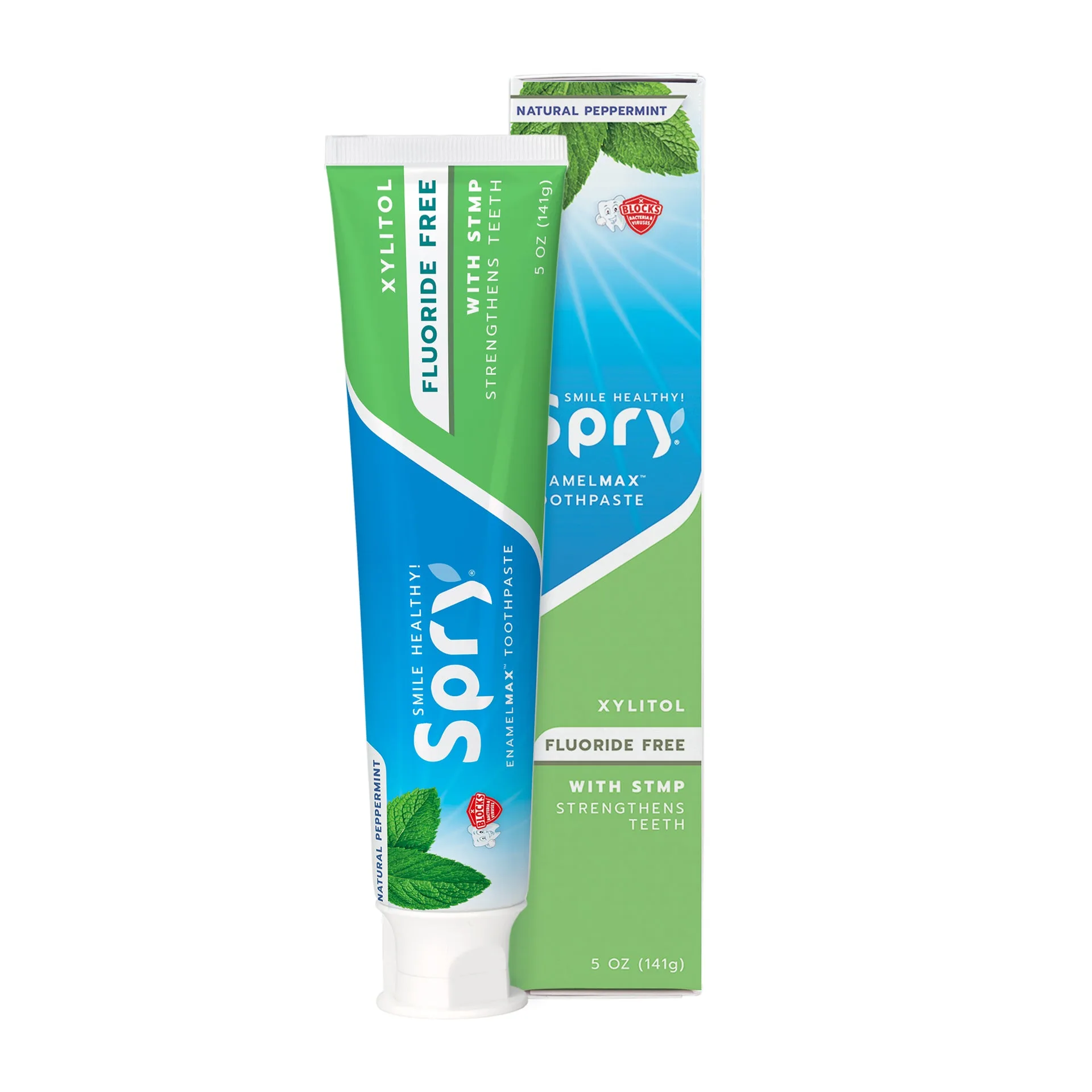
Tartar Control Fluoride-Free Toothpaste
- Fluoride has decades of clinical evidence for cavity prevention.
- Xylitol has clinically proven benefits but may require consistent use to match fluoride's effect.
Safety and Who Should Choose What
Fluoride toothpaste is safe for most people when used as directed, but ingesting large amounts can cause dental fluorosis in young children. This is why parents often limit fluoride toothpaste for kids under six. Fluoride-free toothpaste eliminates that risk, making it a popular choice for families. It is also suitable for people who are allergic to fluoride or who prefer to avoid it for personal reasons.
On the other hand, if you are at high risk for cavities, your dentist might recommend sticking with fluoride. The choice ultimately depends on your oral health status, your family's needs, and your comfort with each ingredient. It is always a good idea to talk to your dentist if you are unsure.
- Fluoride-free toothpaste is safe if swallowed, making it a good option for young children.
- Consult your dentist if you have a high risk of cavities or specific oral health concerns.
Making the Right Choice: Trade-offs to Weigh
- Cavity prevention strength: Fluoride toothpaste has the strongest evidence for preventing cavities. Xylitol toothpaste also helps but may require more consistent use to achieve similar results. If you are cavity-prone, fluoride may be your best bet.
- Safety for children: Fluoride toothpaste must be used in small amounts for kids under six to avoid fluorosis. Fluoride-free xylitol toothpaste is safe if swallowed, making it a stress-free option for parents. For young kids, fluoride-free is often the safer choice.
- Ingredient preferences: Fluoride is a mineral, while xylitol is a natural sweetener. If you prefer natural ingredients or avoid fluoride for personal reasons, xylitol toothpaste fits your lifestyle. Choose based on what you are comfortable putting in your mouth.
Xylitol Toothpaste Options to Consider
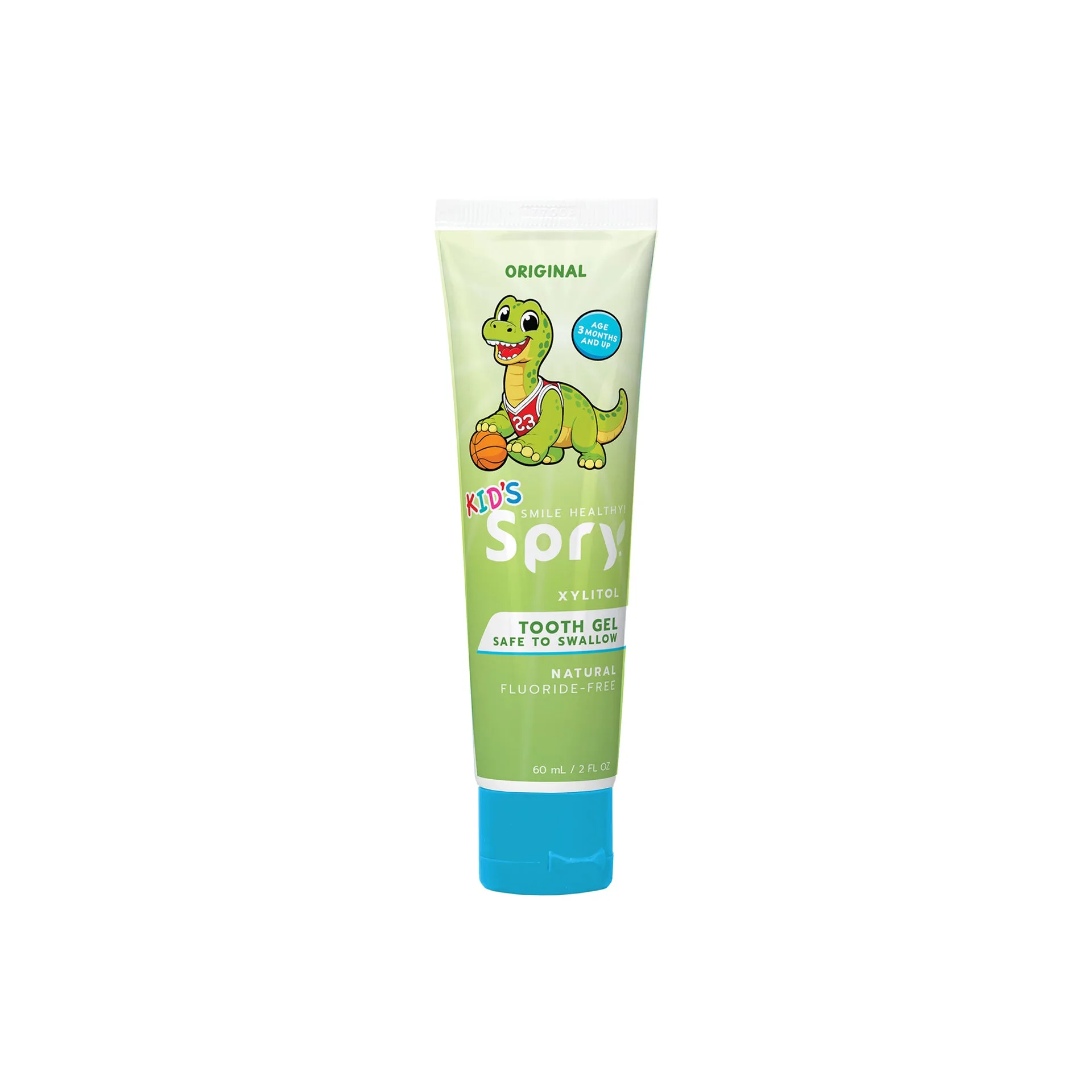
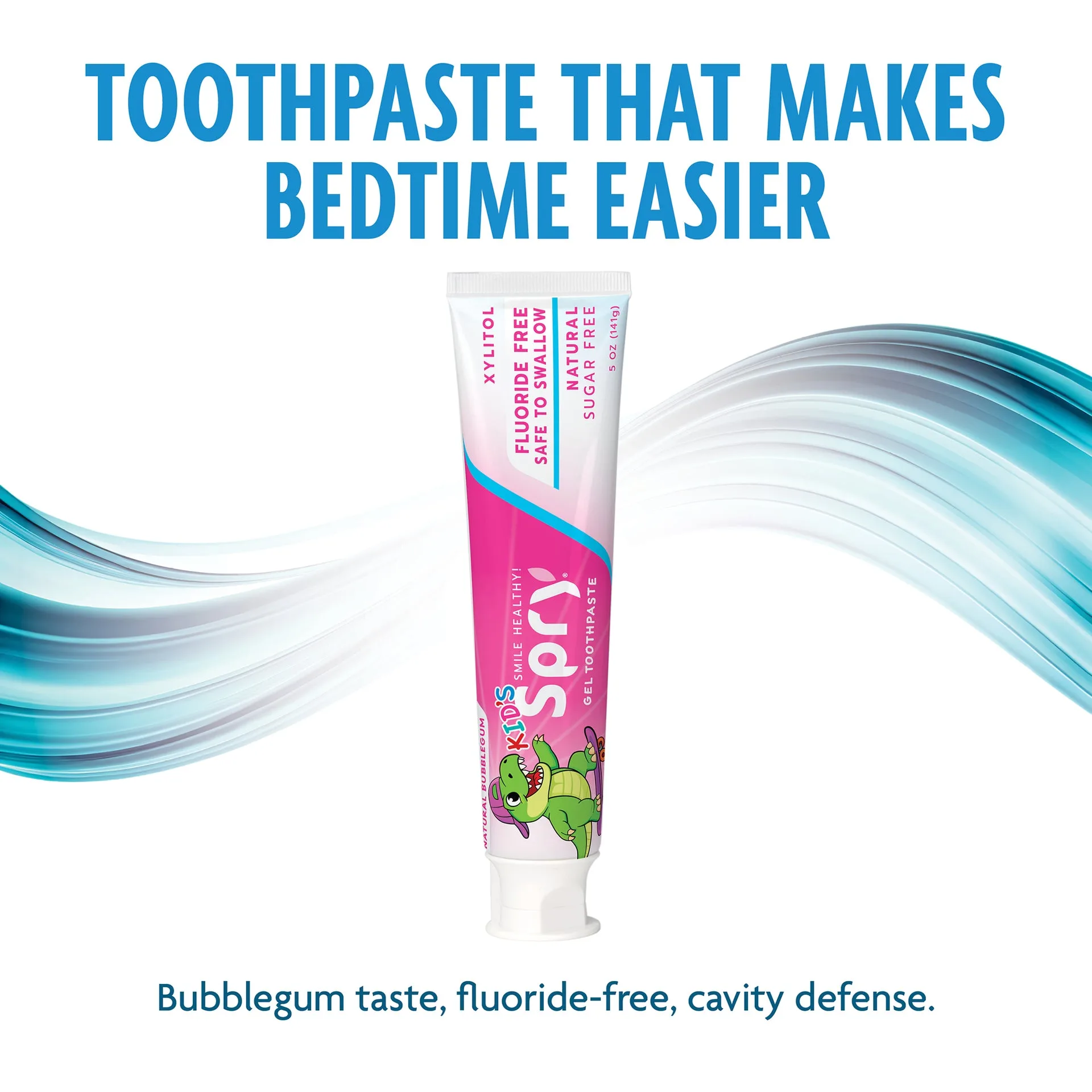
- Kid's Bubble Gum Toothpaste, Fluoride-free: Spry values using the best ingredients to provide innovative, healthy, and natural toothpastes. Our carefully created formulas provide the variety you need to take care of your teeth and gums in a way that works best for you. Whether you’re looking for toothpaste with fluoride, without fluoride, or to address a more specific concern, Spry has you covered. Good habits early on are vital for strong oral health... This toothpaste is designed for children, with a bubble gum flavor that encourages good brushing habits. Since it is fluoride-free, it is safe if swallowed, making it a practical choice for young kids.
- Tartar Control Fluoride-Free Toothpaste: Classic go-to flavors are here to freshen your breath with Spry Fluoride-Free Xylitol Toothpaste—now featuring EnamelMax, a trademark blend of ingredients designed to remineralize, strengthen tooth enamel, and reduce sensitivity. Add this to the clinically proven benefits of xylitol and you have a winning formula for outstanding oral health. Plus, Spry uses only proven, natural ingredients, while avoiding... This adult toothpaste offers fluoride-free cavity protection with added enamel support. If you want to avoid fluoride but still care about enamel strength, this formula addresses that concern with EnamelMax.
Which Toothpaste Fits You?
Best for
- Families with young children who may swallow toothpaste
- People who prefer to avoid fluoride for personal or health reasons
- Those looking for a natural alternative with clinically proven benefits
Not for
- Individuals at high risk of cavities who need the proven strength of fluoride
- People who want the most extensively researched cavity prevention available
Both fluoride and fluoride-free toothpastes can support your oral health, but they work differently. Fluoride has the longest track record for cavity prevention, while xylitol offers a natural alternative that is especially appealing for kids and those who prefer to avoid fluoride. Assess your cavity risk, your family's needs, and your ingredient preferences, and don't hesitate to ask your dentist for guidance. Whatever you choose, consistent brushing and regular dental visits remain the foundation of a healthy smile.