Quick answer
If your main goal is calming cold sensitivity, choose a fluoride-free sensitive toothpaste built around potassium nitrate. If cavity protection matters more and your teeth tolerate fluoride, choose a fluoride toothpaste with sodium fluoride. Neither formula is universally better; the right pick depends on which benefit you prioritize.
The core trade-off: nerve soothing vs. cavity protection
Sensitive teeth usually react to cold because the dental nerves are easily triggered. Potassium nitrate, found in some fluoride-free sensitive toothpastes, is used to soothe those nerves with regular use. Sodium fluoride, found in fluoride toothpastes, is included to help prevent cavities. These are different jobs, and most drugstore formulas emphasize one over the other.
That means the decision is not about which ingredient is stronger. It is about which benefit you need most right now. If you frequently wince at cold drinks, a potassium nitrate formula may be the more targeted choice. If you are more concerned about decay risk, a sodium fluoride formula may be the better daily default.
What the rest of the formula contributes
Beyond the active ingredient, both options can include supporting ingredients that affect how the paste feels and tastes. Green tea leaf extract appears in both Attitude formulas as an antioxidant agent, and flavor choices like spearmint or peppermint can influence whether you actually use the paste consistently. Consistency matters more than a single ingredient for sensitivity relief, so pick a flavor and texture you will use twice a day.
If your gums are sensitive, pay attention to how much you scrub rather than only what is in the tube. A soft-bristled brush and gentle pressure reduce irritation regardless of which toothpaste you choose.
When the label does not tell you everything
Neither product record lists a specific concentration for potassium nitrate or sodium fluoride. That absence is a real limitation: if your dentist has recommended a particular strength, check the packaging or ask before switching. For general daily use, the presence of the ingredient and your own sensitivity response are the practical guideposts.
Key trade-offs to weigh
- Sensitivity relief: Choose the fluoride-free sensitive option if cold foods and drinks regularly bother you; potassium nitrate is included specifically to soothe dental nerves over time. Give any sensitivity toothpaste a few weeks of consistent use before judging results.
- Cavity protection: Choose the fluoride option if you want sodium fluoride in your daily routine to help prevent cavities. If you switch to fluoride-free, ask your dentist whether you need additional cavity protection.
- Flavor and consistency: Spearmint versus peppermint is a small detail that decides whether you actually stick with a routine. Pick the one you will reach for twice a day.
Product facts
-
Fluoride-free Toothpaste - Sensitive -4.2 OZ.: Fluoride-free sensitive toothpaste with potassium nitrate and green tea leaf extract in a spearmint flavor. Potassium nitrate is used to soothe dental nerves with regular use, making this a targeted pick if cold sensitivity is your main complaint.
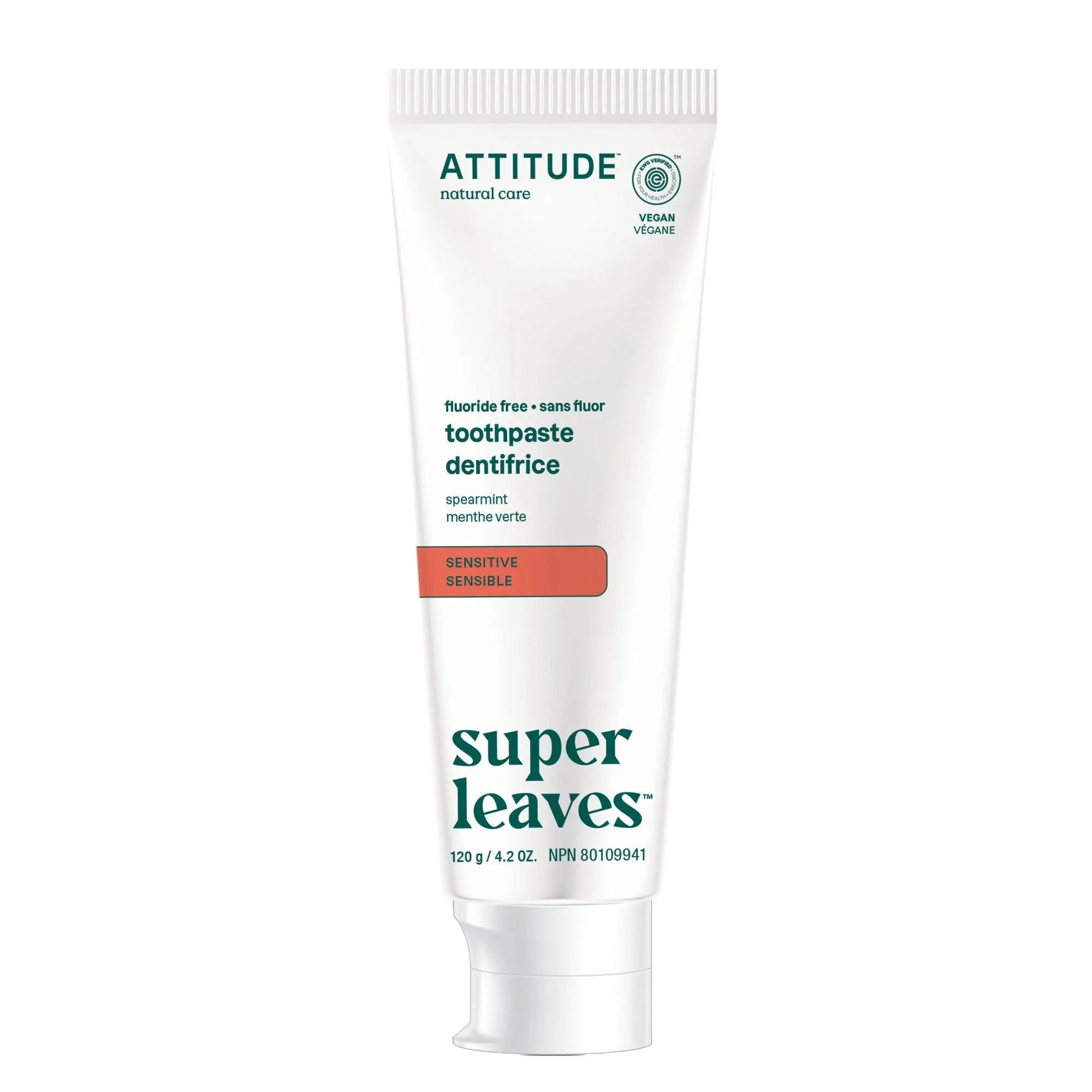
Fluoride-free Toothpaste - Sensitive -4.2 OZ.
-
Fluoride Toothpaste - Fresh Breath -4.2 OZ.: Fluoride toothpaste with sodium fluoride, green tea extract, and papaya leaf extract in a peppermint flavor. Sodium fluoride helps prevent cavities, so this is the better fit if decay protection is your priority and you prefer a mint-forward paste.
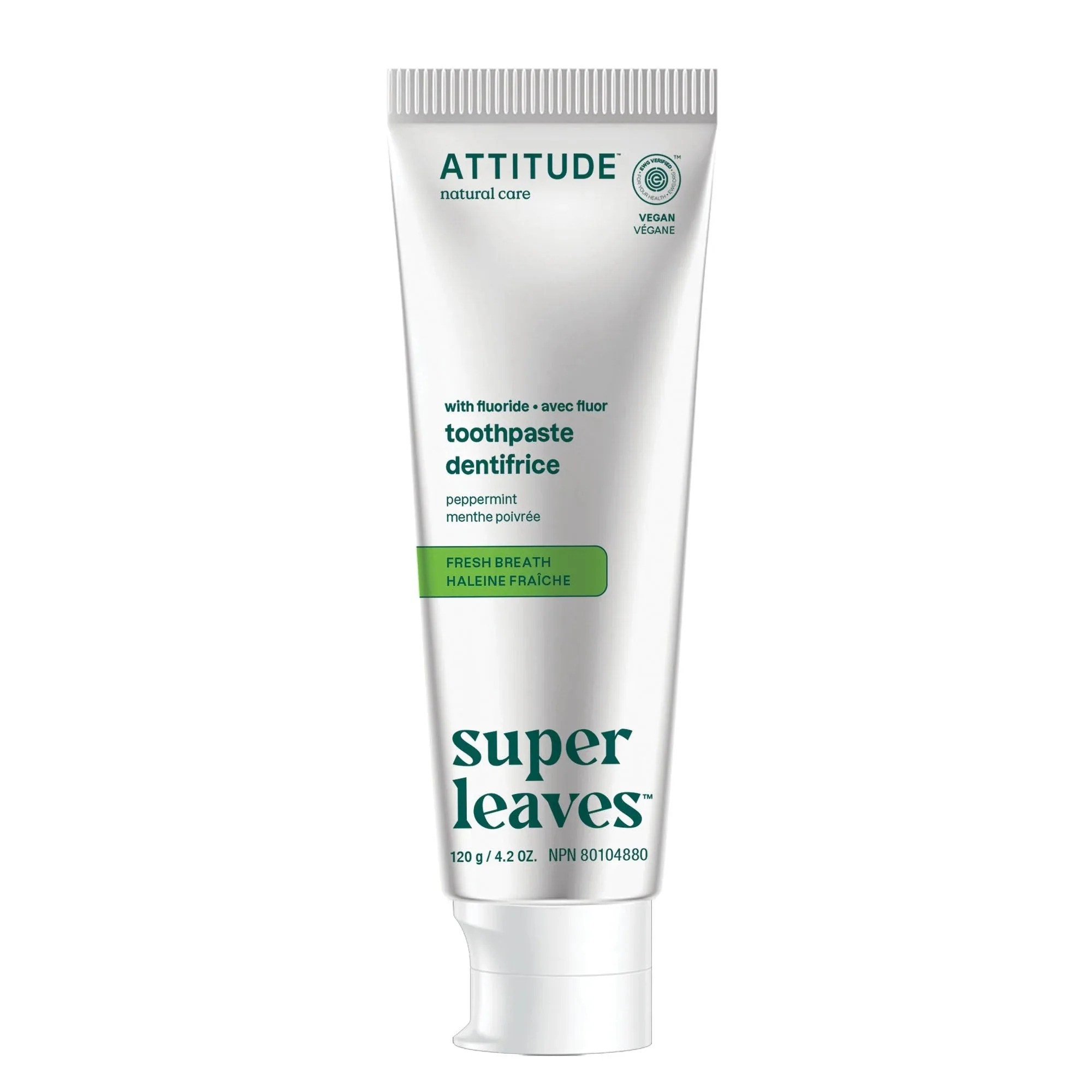
Fluoride Toothpaste - Fresh Breath -4.2 OZ.
Which should you choose?
Best for
- People whose main complaint is sharp sensitivity to cold drinks or food
- Anyone looking for a fluoride-free sensitive toothpaste with a gentle spearmint flavor
Not for
- People who specifically want sodium fluoride for cavity prevention
- Anyone advised by a dentist to use a specific fluoride concentration