Start with the missing saucer, not the plant
The Fluted Cylinder Planter is sold without a saucer, so the first decision is how you’ll protect the surface underneath. The catalog describes it as a straight-sided cylinder wrapped in narrow vertical ribs, finished in a chalky matte glaze. It’s a decorative piece, but it’s not a self-watering system, and the supplied information does not confirm drainage holes or a water reservoir. That means you should plan for the possibility of moisture reaching the base—especially after watering.
A simple approach: treat the planter as a cachepot or use a waterproof liner inside. Either way, place a tray or coaster underneath before you add soil. The catalog suggests pairing it with a tray from the saucers and more range, which is a straightforward way to catch drips without hiding the fluted profile.
What the catalog confirms about this planter
-
Fluted Cylinder Planter (No Saucer): The Fluted Cylinder Planter is a fluted planter from the indoor range, a straight-sided cylinder wrapped in narrow vertical ribs. The straight sides and fine ribs make it a decorative accent, but they don’t change the fact that you need to manage water at the base.
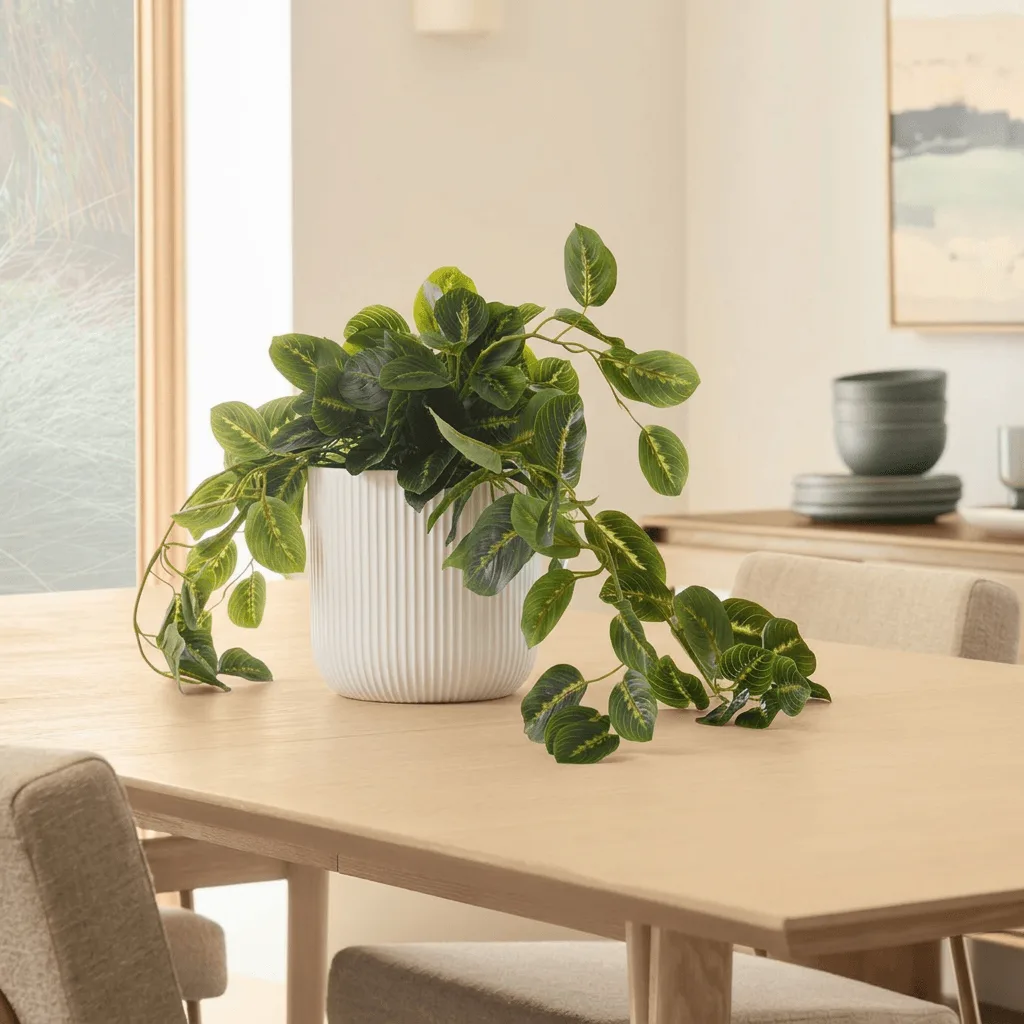
Fluted Cylinder Planter (No Saucer)
-
Fluted Cylinder Planter (No Saucer): It comes in Bright White, Pastel Green, and Pastel Lavender, all in a chalky matte finish; each ceramic cylinder planter is glazed by hand, so tone shifts piece to piece. Color choice affects how the planter reads in a room, and the hand-glazed finish means slight variation is normal—not a defect.
-
Fluted Cylinder Planter (No Saucer): Available in 11"X11.5" size, with a case-of-2 option in Pastel Lavender. The single size simplifies the decision, and the case option helps if you want a matched pair for symmetry.
A setup sequence that protects your floor
- 1. Choose a waterproof base: Before planting, set the planter on a tray, coaster, or waterproof mat. The catalog mentions pairing it with a tray from the saucers and more range, so that’s a direct fit. This step is your main defense against moisture rings on wood, tile, or carpet.
- 2. Decide between direct planting and a drop-in liner: If you plant directly, water carefully and always check for runoff. If you prefer extra insurance, use a plastic nursery pot as a liner and slip it inside—this keeps excess water contained and makes plant swaps easier. The catalog also points to drop-in planters as an option.
- 3. Pick a plant that suits the ribbed cylinder: The catalog recommends foliage that arches or spreads, since straight lines against loose leaves do the styling. It specifically names snake plant, ZZ plant, and young rubber tree as suitable indoor plant pots. These are suggestions, not strict requirements—just match the plant’s light and water needs to your room.
- 4. Place it where the flutes can catch light: The ribs hold shadow on one side and lighten across the other in daylight. A living room corner, bedroom dresser, desk, or bright hallway are all catalog-suggested spots. Avoid direct harsh sun if you want the matte finish to stay even; the supplied information doesn’t specify UV resistance, so gentle light is a safer bet.
Saucer alternatives that actually work
If you don’t want a traditional saucer, a few practical alternatives exist. A clear plastic drip tray is nearly invisible under the planter. A cork or rubber coaster adds a soft, non-slip layer and can absorb minor condensation. A shallow ceramic dish in a matching or contrasting color can look intentional. The key is that the barrier is waterproof—fabric or paper won’t protect your floor from repeated watering.
The catalog doesn’t specify whether the planter has a drainage hole, so you can’t assume water will exit only from the bottom. That uncertainty is another reason to use a liner or tray: it contains water regardless of the pot’s internal design.
Direct planting vs. drop-in liner: which fits your routine?
- Direct planting: Pros: cleaner look, no visible inner pot. Cons: repotting is messier, and you must water carefully to avoid overflow. Best if you’re comfortable with indoor watering and check moisture before each session.
- Drop-in liner: Pros: easy to swap plants, easier to water at a sink, and extra leak protection. Cons: the inner pot may be visible above the rim unless sized carefully. Best if you like to change displays or tend to water heavily.
Plant pairings and placement that suit the fluted shape
The vertical ribs add texture, so simple, architectural plants let the planter shine. Snake plant’s upright blades echo the flutes; ZZ plant’s glossy leaflets contrast nicely; a young rubber tree’s broad leaves soften the straight sides. The catalog also notes that a fluted ceramic planter groups well in twos—so a matched pair on either side of a console reads deliberate. The Pastel Lavender case of 2 makes that easy.
For a single statement, place it on a desk or dresser where you’ll see the flutes up close. In a hallway, keep it out of foot traffic and away from doors that could knock it. The planter is ceramic, so treat it as breakable even though the catalog doesn’t give a weight or drop rating.
What the supplied information leaves open
The catalog doesn’t list drainage holes, a saucer, or a water reservoir, and it doesn’t provide care instructions for the ceramic finish. That means you should avoid assuming it’s frost-proof, dishwasher-safe, or suitable for outdoor use—none of that is confirmed. For indoor setup, the safe path is to use a tray or liner, water modestly, and wipe up spills promptly. If you need a planter with a built-in saucer, this model isn’t the one; but if you love the fluted look, a separate tray solves the problem cleanly.