What FlyFit is designed to do
Alpine FlyFit earplugs are made for travel and flights. Their job is to make the pressure changes of a flight more comfortable: the filters act like a valve, allowing a gradual and constant pressure balance between the air and your middle ear instead of a sharp change. They also provide light attenuation of ambient noise, so the cabin sounds less loud.
That is the whole brief. FlyFit is a pressure-comfort and light-noise earplug, not a medical treatment. If your ear pain is severe, one-sided, or comes with hearing loss, dizziness, or fluid, treat the earplugs as comfort support and speak to a healthcare professional about the pain itself.
The filter that does the work
-
FlyFit: The filters act like a valve, ensuring a gradual and constant pressure balance between the air and your middle ear. This is the core mechanism behind FlyFit's pressure comfort. It explains why the earplug is worn through the pressure changes rather than only at the moment pain starts.
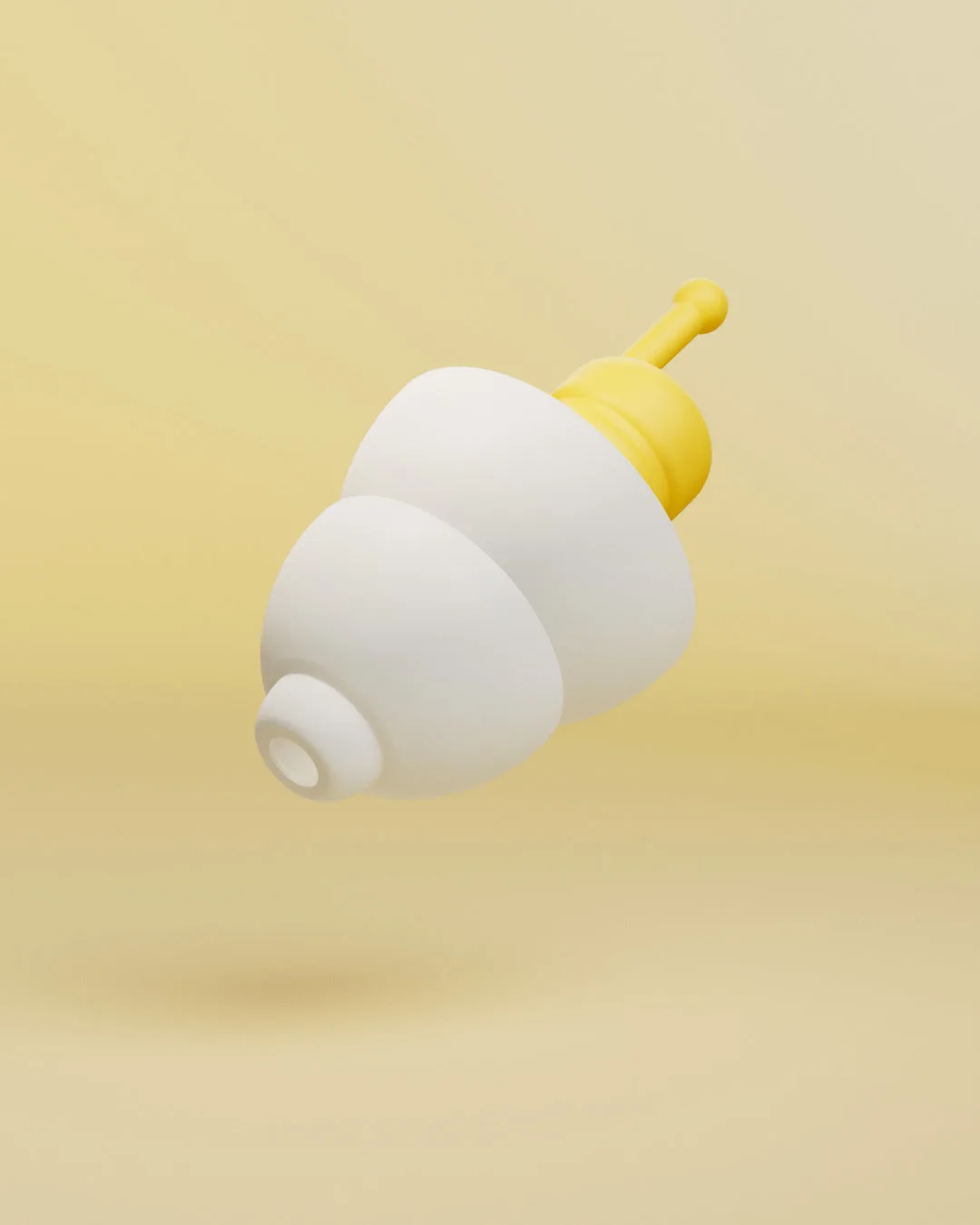
FlyFit
-
FlyFit: By wearing earplugs during your flight, the annoying pressure on the eardrum is regulated. Sets the expectation: FlyFit is intended to be worn during the flight, not just packed as an emergency item.
A practical routine for using FlyFit on a flight
- Insert before the pressure changes begin: Put the earplugs in before takeoff and keep them in through descent. The valve-like filter needs to be in place while the cabin pressure is changing so it can do its job gradually.
- Seat them so the filter sits in your ear canal: Follow the insertion guidance that comes with your FlyFit earplugs and make sure they sit securely. A loose plug lets air past the filter and defeats the gradual-balance design.
- Leave them in during descent: Descent is usually where landing ear pain shows up. Resist the urge to pull them out when you feel pressure building; the gradual balance is the point of wearing them.
- Expect light noise reduction, not silence: FlyFit provides light attenuation of ambient noise. It takes the edge off cabin noise but is not a high-attenuation earplug, so don't judge it as one.
Ear pain on landing: what FlyFit can and cannot promise
Landing is the classic moment for airplane ear pressure discomfort, and it is exactly the scenario FlyFit is designed around. The gradual pressure balance the filter provides is meant to make that transition gentler than an unprotected ear.
What the supplied information does not include is a clinical claim, a pressure rating, or a guarantee that every ear will feel pain-free. It also does not include care, cleaning, or replacement instructions. If you need those details, check the packaging or the manufacturer's documentation rather than improvising a cleaning routine. For blocked ears on a plane, FlyFit can be part of your comfort plan, but a blocked ear that does not clear is a reason to seek medical advice, not a reason to push an earplug deeper.
FlyFit vs a standard foam earplug for flights
- Pressure handling: FlyFit uses a valve-like filter for gradual pressure balance; a standard foam plug is not described that way and is aimed at blocking sound.
- Noise reduction: FlyFit offers light attenuation of ambient noise. If your main goal is maximum quiet, that is a different job than pressure comfort.
- Best use case: Choose FlyFit when flight pressure discomfort is your priority; choose a high-attenuation plug when noise is the priority.
FlyFit at a glance
- FlyFit: Alpine FlyFit earplugs are specially designed to make your travel or flight as comfortable as possible. Confirms the intended use is travel and flights, so you are buying for the right scenario.
- FlyFit: With FlyFit earplugs, you can enjoy a relaxed flight and start your vacation stress-free. A realistic summary of the benefit: a calmer flight experience, not a medical cure.