Quick answer
Choose foam craft eggs for Easter bonnets and three-dimensional projects, and peel-and-stick patches for quick, no-mess decoration on fabric or paper. If you want one craft for a mixed-age group, start with the patches for instant results, then add foam eggs for building.
The real difference: building versus decorating
Foam craft eggs are a construction material. At 4cm they are small enough for children to attach to a bonnet or arrange in a basket, and light enough that glue or tape holds them without extra support. The trade-off is that they need a surface and a fixing method, so they suit a planned session rather than a five-minute filler.
Peel-and-stick patches are a finishing material. They arrive embroidered and ready to apply, so the child's effort goes into placement rather than assembly. That makes them faster, but it also means they cannot be reshaped or built into a structure the way foam eggs can.
Mess and supervision
Patches are the lower-mess option because the adhesive is already on the back; there is no glue pot and no drying time. Foam eggs are not inherently messy, but attaching them usually requires glue, tape, or a grown-up with a low-temperature glue gun, which changes the supervision level.
For a no-mess kids crafts session, patches win on speed and cleanup. For a longer Easter craft activity ideas session where the making is the point, foam eggs give children more to do with their hands.
Seasonal fit: Valentine versus Easter
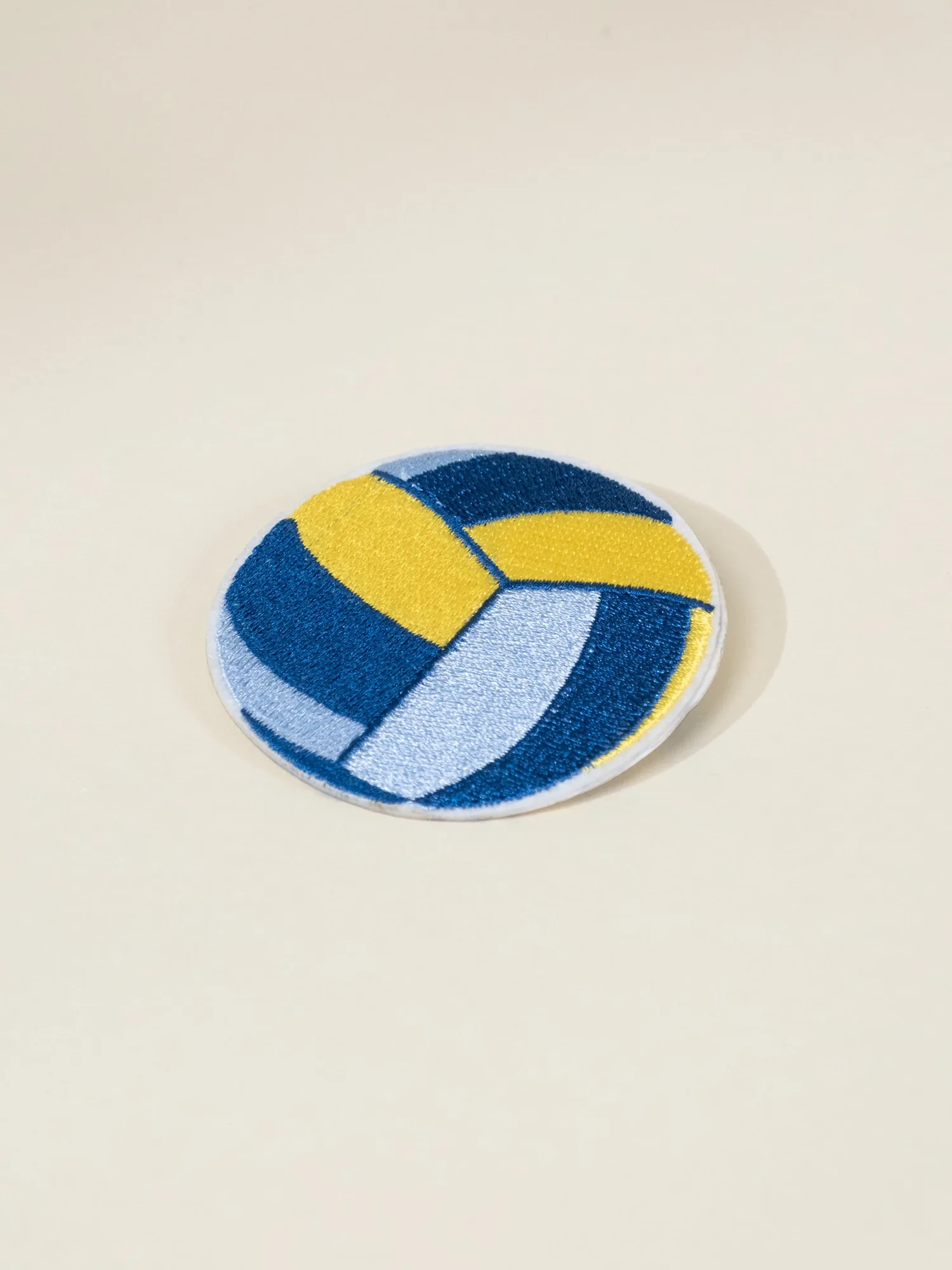
The patch set is themed for Valentine's Day, with six embroidered designs, so it fits a valentines patch craft such as cards, pencil cases, or fabric bags. Using it outside that theme is possible but the motifs will look out of place on an Easter project.
Foam eggs are shaped for Easter and work naturally on bonnets, table decorations, and egg hunts. They are not a Valentine material, so mixing the two in one project usually looks confused rather than creative.
Trade-offs to weigh before you choose
- Speed versus construction: Patches apply in seconds but cannot be built into shapes; foam eggs take longer because they need fixing and arranging, but they let children build a bonnet or basket. Pick patches for a quick win, foam eggs for a making session.
- Surface compatibility: Patches are supplied for fabric, paper, or other smooth surfaces; foam eggs are supplied for attaching to bonnets and similar crafts. Check that your chosen surface suits the product before buying.
- Age and supervision: Patches need little adult help beyond placement; foam eggs may need glue or a low-temperature glue gun, so plan for an adult to handle fixing. Match the product to the level of supervision you can provide.
- Theme lock-in: The patch set is Valentine-themed and the foam eggs are Easter-shaped, so each is best kept to its own season rather than combined.
Product facts at a glance
-
Valentines Embroided Cute Peel and Stick Patches (6pcs): Six embroidered Valentine designs with a peel-and-stick backing. Children can decorate fabric or paper immediately without glue or drying time.
Valentines Embroided Cute Peel and Stick Patches (6pcs)
Valentines Embroided Cute Peel and Stick Patches (6pcs)
-
Foam Craft Eggs - 4cm (16pk): 4cm foam eggs in a 16-pack, described as lightweight and suited to homemade Easter bonnets. The small size and low weight make them easy to attach to bonnets and other wearable crafts.
Foam Craft Eggs - 4cm (16pk)
Which should you buy?
Best for
- Parents planning a no-mess Valentine card-making session
- Teachers who need a fast decoration activity for mixed ages
- Making Easter bonnets or small Easter table decorations with foam eggs
Not for
- A project that needs a single product to cover both Valentine and Easter themes
- Children who want to build structures rather than decorate surfaces
- Anyone unwilling to use glue or adult help for attaching foam eggs