Quick answer
Choose a peanut ball if you want targeted pressure beside the spine and a stable tool for floor or wall work; choose a foam roller if you prefer broad, sweeping pressure across larger muscle groups. Many people keep both for different stages of recovery.
How the two tools apply pressure differently
A foam roller spreads force over a wider surface, which makes it easier to cover the whole back or lats in long passes. A peanut ball concentrates pressure into two rounded lobes, so you can work specific trigger points without rolling across the spine itself.
The trade-off is control versus coverage: the roller is faster for general warm-ups, while the peanut ball asks you to pause and breathe into a spot. Neither tool replaces medical advice for persistent back pain.
Spine comfort and positioning
The peanut ball's shape is designed for massage around the spine rather than directly on it, which can feel safer if you are sensitive to pressure on the vertebrae. A foam roller's flat surface can be used along the back, but you may need to adjust your position to avoid pressing directly on bony areas.
If you are new to self-massage, start with the peanut ball against a wall to control how much body weight you apply. Move to the floor once you know how much pressure feels useful.
When a foam roller is the more practical choice
A foam roller is easier to use for large muscle groups such as the lats, glutes, and thighs, and its length lets you roll both sides of the back in one session. If your main goal is a quick pre-workout warm-up or post-training flush, the roller covers more ground with less setup.
The Swirly Foam Roller's textured design adds a deeper massage feel, but texture is a preference: some people find it too intense for sore days. A smoother roller may be better if you want gentler pressure.
Decision rules for choosing your back recovery tool
- If you want to work beside the spine: Pick a peanut ball. Its double-lobe shape is built for massage around the spine, so you can target paraspinal muscles without rolling over the vertebrae. Use it against a wall first to gauge pressure.
- If you want to cover large areas quickly: Pick a foam roller. Its longer surface lets you sweep across the lats, mid-back, and glutes in fewer passes, which is handy for warm-ups and post-training routines. Choose a smoother texture if you are new to rolling.
- If you are unsure: Start with the tool that matches your main complaint: a peanut ball for pinpoint tension beside the spine, a foam roller for general tightness across the back. Add the second tool later if you find yourself wanting both. Match the tool to the job, not to the trend.
Product facts
-
Peanut Ball Back Massage - Black: Double massage ball designed for trigger points around the spine, usable on the floor or against a wall. Lets you target back tension without rolling directly over the spine, and the wall option helps you control pressure.
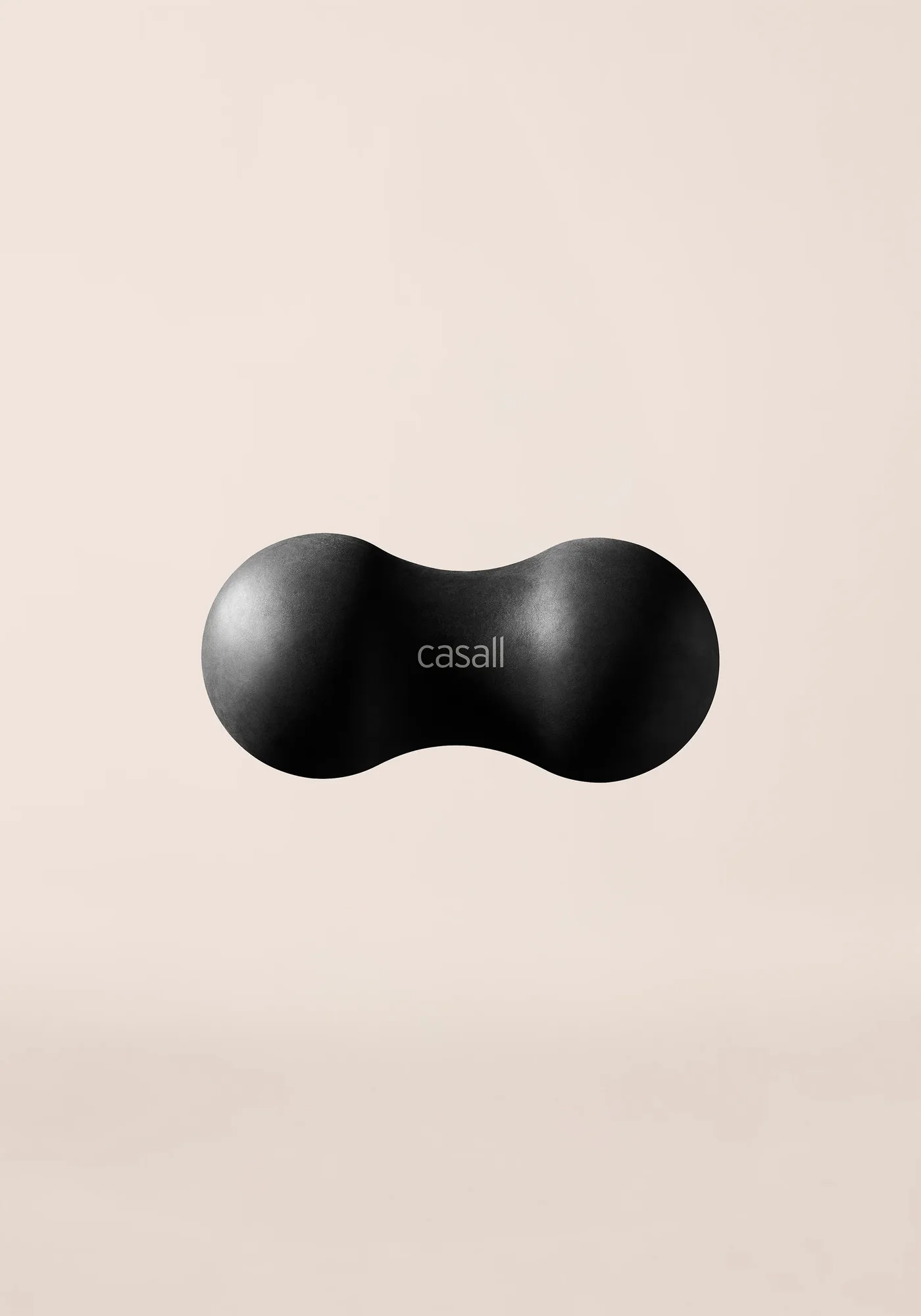
Peanut Ball Back Massage - Black
-
Swirly Foam Roller - Light pink: Swirled design intended to give muscles a deeper massage after training. Suits broad post-workout rolling when you want more intensity than a smooth surface provides.
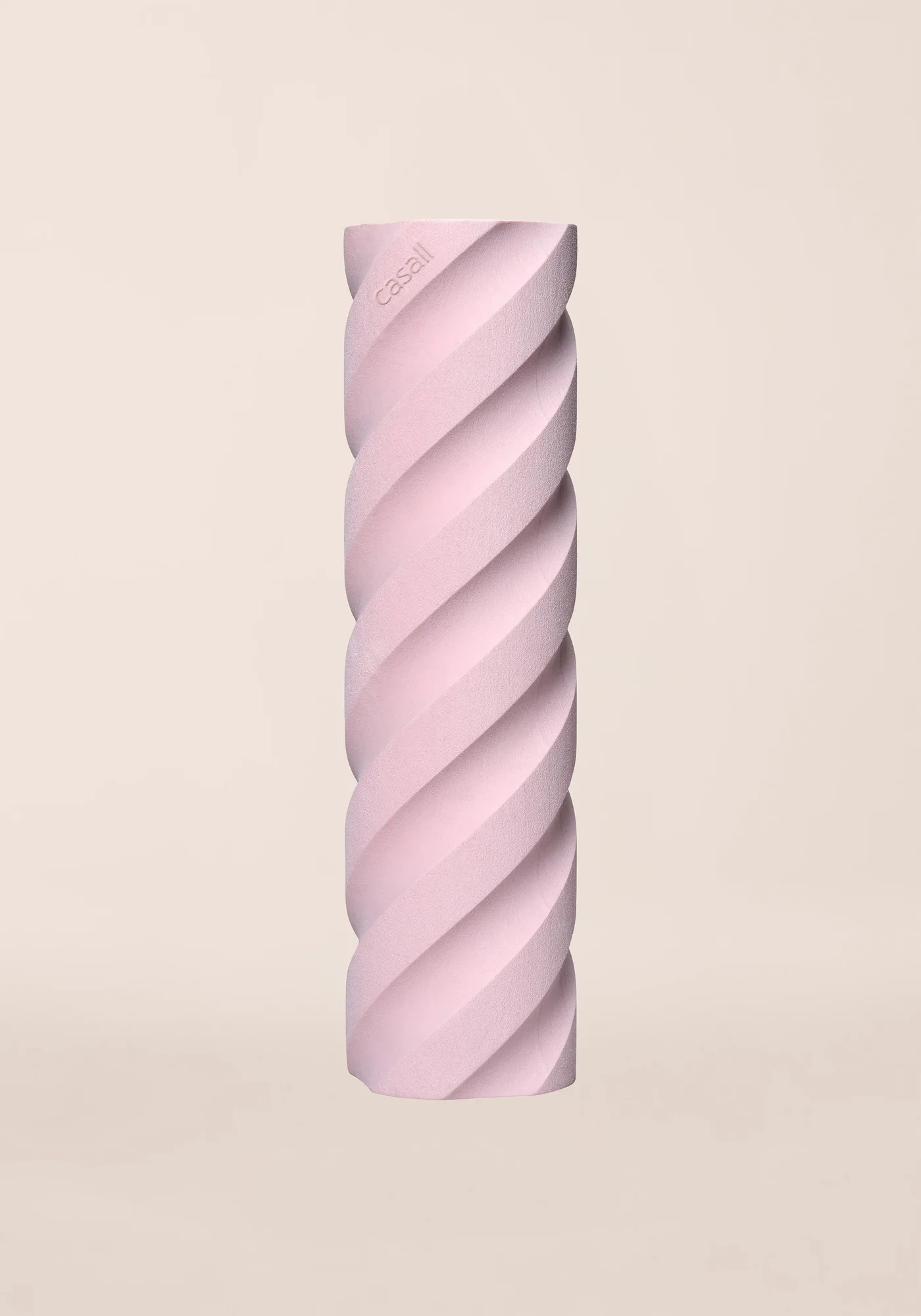
Swirly Foam Roller - Light pink
Who each tool fits
Best for
- People who want targeted pressure beside the spine and a stable tool for wall or floor use
- Runners and lifters who prefer a textured roller for broad post-training recovery
Not for
- Anyone with acute back pain or a diagnosed spine condition should consult a clinician before self-massage
- People who want one tool to cover both pinpoint and broad work may need to choose based on their priority