Start With the Space, Not the Panels
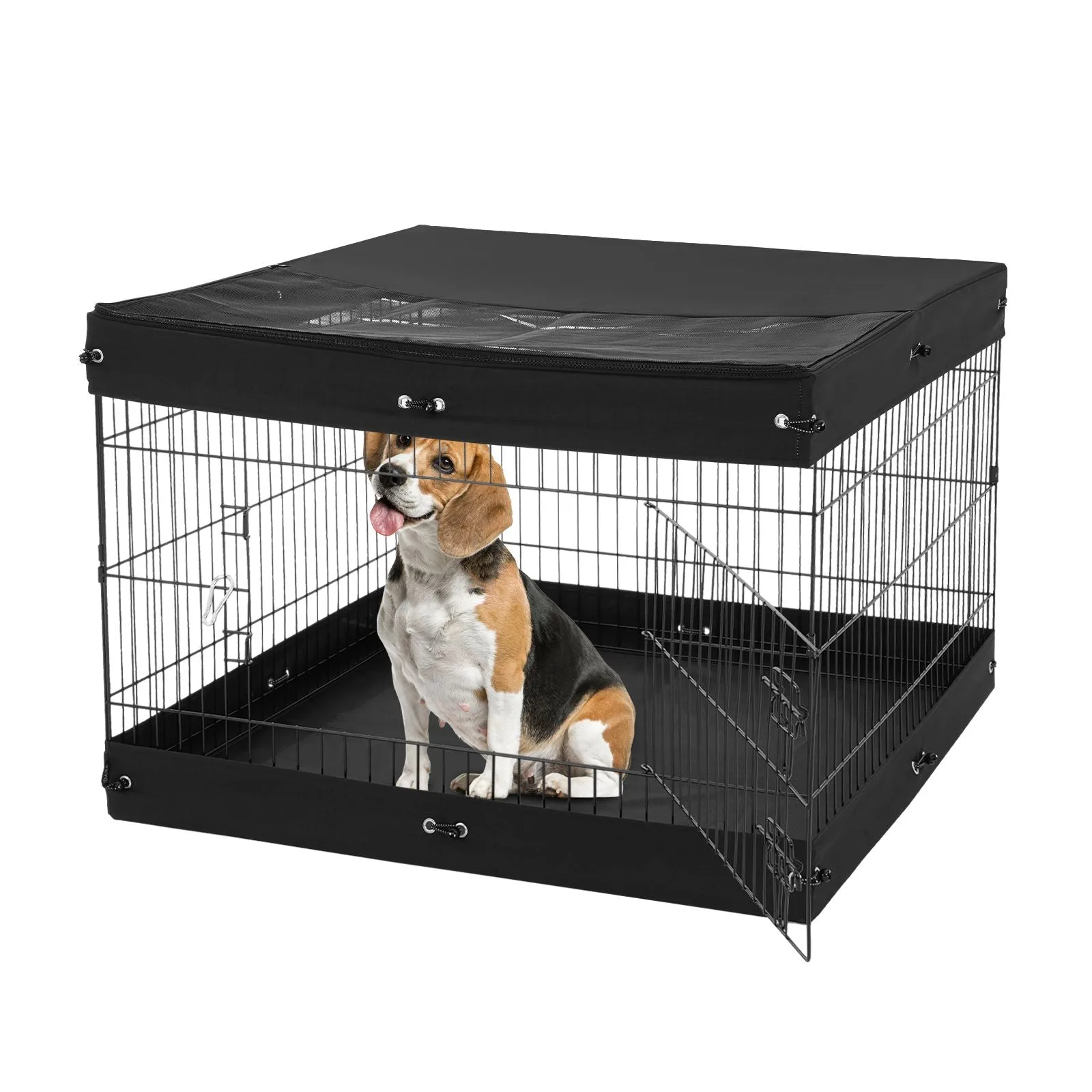
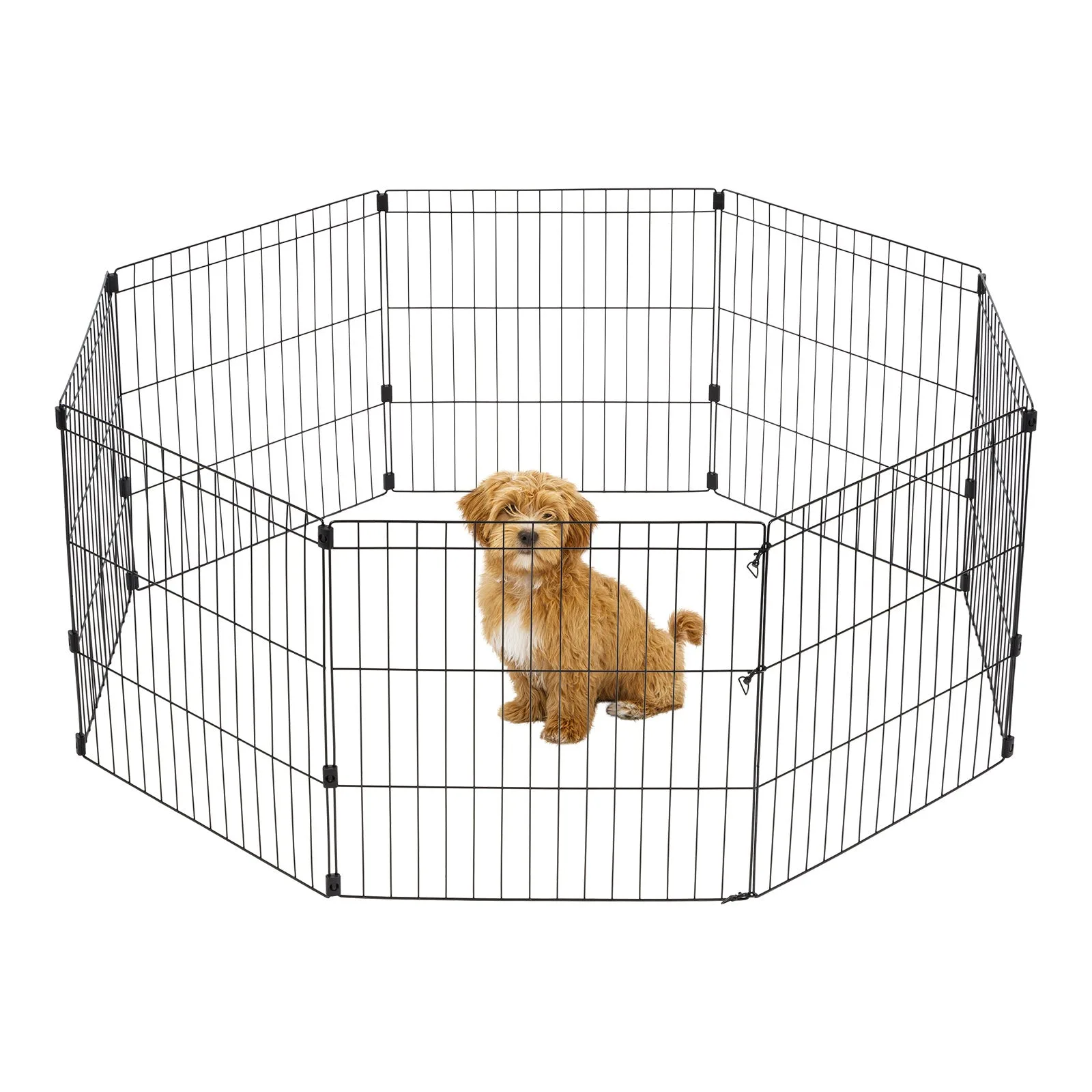
A foldable metal playpen is only as useful as the spot you put it in. Before you unfold anything, walk the room or yard and pick a level area with enough clearance for the panels to stand without pressing against furniture, walls, or garden edges. The VEVOR Dog Playpen, 8 Pcs 30 W Panels Foldable Metal Pet Exercise Pen, Dog with Door is pre-assembled for quick setup, so the main job is choosing a layout that fits your space and your pet.
Decide whether the pen is for short supervised sessions, a training corner, or a temporary boundary while you clean or host guests. That purpose tells you how much floor area you need and whether the door should face the room or a wall.
A Practical Setup Order
The supplied information confirms tool-free assembly and a five-minute installation and disassembly time. It does not provide panel-by-panel instructions, so treat these as planning steps rather than a manufacturer sequence.
- Clear and check the surface: Remove sharp objects, cords, and anything a pet could pull into the pen. Indoors, a hard floor or low-pile rug is easier to keep clean; outdoors, choose a flat, dry patch away from standing water.
- Lay out the panels before locking them: Arrange the eight panels in a shape that leaves a sensible walking path around the outside. A rectangle against a wall saves floor space; a freestanding shape works better in the middle of a room or yard.
- Position the door where you can reach it: Put the door panel on the side you will approach most often, and keep the swing area clear of furniture, steps, or planters.
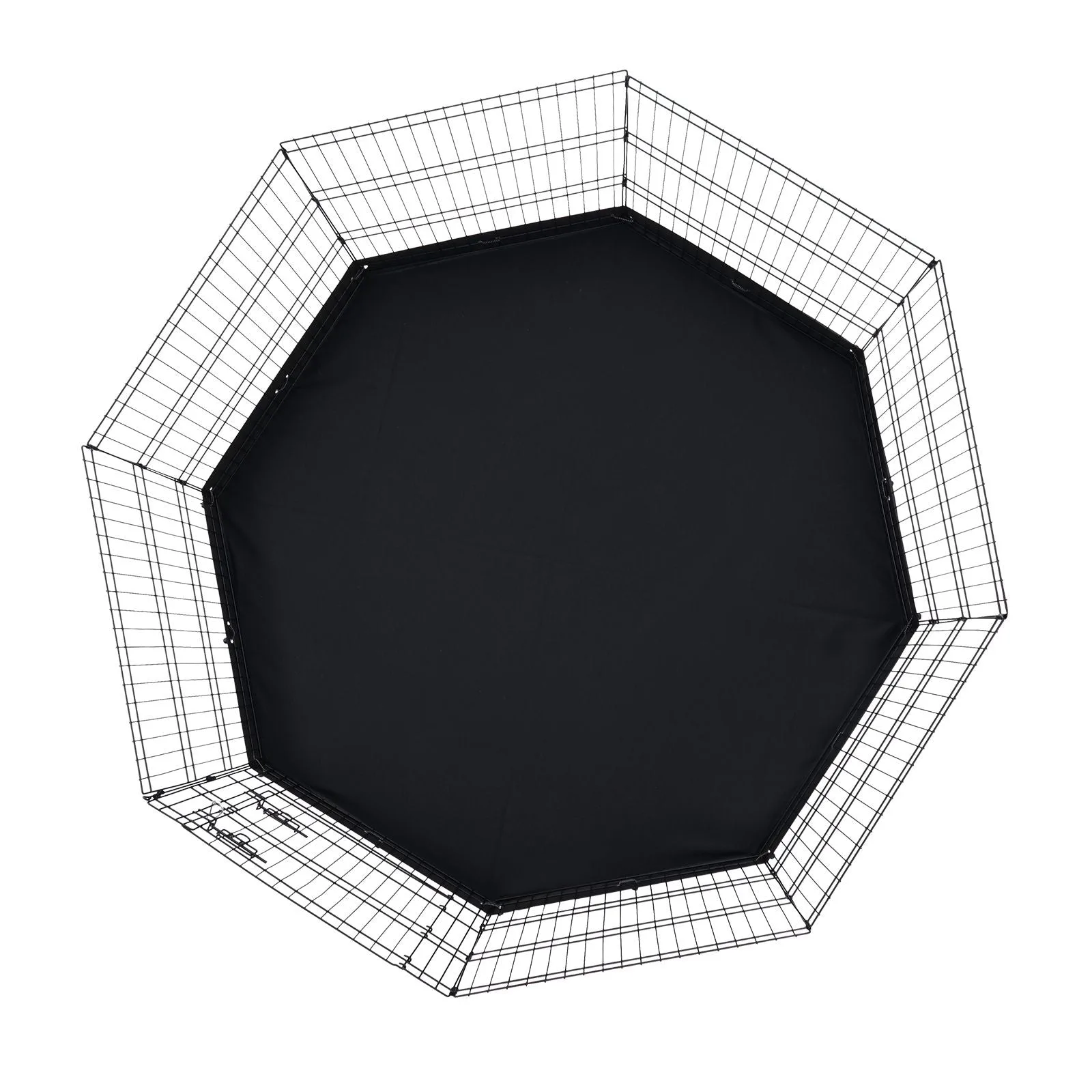
- Add the ground mat: The supplied 600D Oxford fabric mat is waterproof, easy to clean, scratch-resistant, and chew-resistant. Lay it inside the panels so the edges do not bunch under the frame.
- Do a stability check: Press gently on the corners and watch for rocking. The supplied information does not include anchoring hardware or ground stakes, so do not assume they are included; if the pen shifts on your surface, reposition it rather than forcing it.
What the Supplied Product Record Confirms
-
VEVOR Dog Playpen, 8 Pcs 30 W Panels Foldable Metal Pet Exercise Pen, Dog with Door: The playpen is pre-assembled for quick setup, and installation and disassembly take only 5 minutes with no tools required. This makes it realistic to set up for a single afternoon, move between rooms, or pack away after use.
VEVOR Dog Playpen, 8 Pcs 30 W Panels Foldable Metal Pet Exercise Pen, Dog with Door
-
VEVOR Dog Playpen, 8 Pcs 30 W Panels Foldable Metal Pet Exercise Pen, Dog with Door: The ground mat is made of 600D heavy-duty Oxford fabric and is described as waterproof, easy to clean, scratch-resistant, and chew-resistant. That matters indoors for floor protection and outdoors for damp ground, though the mat should still be dried after wet use.
-
VEVOR Dog Playpen, 8 Pcs 30 W Panels Foldable Metal Pet Exercise Pen, Dog with Door: The pen is described as lightweight and space-saving for easy portability. You can move it between a indoor corner and a yard spot without treating it as a permanent fixture.
Indoor Setup: Door Placement and Floor Protection
Indoors, the biggest risks are sliding panels, scratched floors, and a door that opens into a traffic path. Place the pen where at least one side rests near a wall or heavy furniture, but leave a gap so the panels are not wedged. The supplied ground mat protects flooring underneath the pen, and its waterproof surface makes accidents easier to wipe up.
Keep the pen away from stairs, heaters, and dangling cords. If you have young children or another pet, leave a clear route around the outside so no one steps over the panels. The door should open into open floor space, not against a sofa or doorframe.
Yard Setup: Ground Surface and Weather
Outdoors, a foldable metal playpen needs a flat, stable surface. Grass can hide uneven ground, so check for holes, roots, or slopes before you set it up. The supplied information does not confirm ground stakes or anchoring hardware, so do not rely on the pen staying fixed in wind or on a slope without checking it yourself.
Use the ground mat on damp grass or a patio to keep the pen area cleaner, and bring the pen inside when severe weather is expected. The product is described for indoor and outdoor use, but that does not mean it should be left out indefinitely.
Panel Configuration: What to Decide Before You Unfold
With eight panels, you can form different shapes, but the supplied record does not give exact dimensions for each configuration. Use these decision points rather than fixed measurements.
- Rectangle for walls and corners: A rectangular layout uses wall space efficiently and leaves a clear center. Good for a training corner or a temporary indoor boundary.
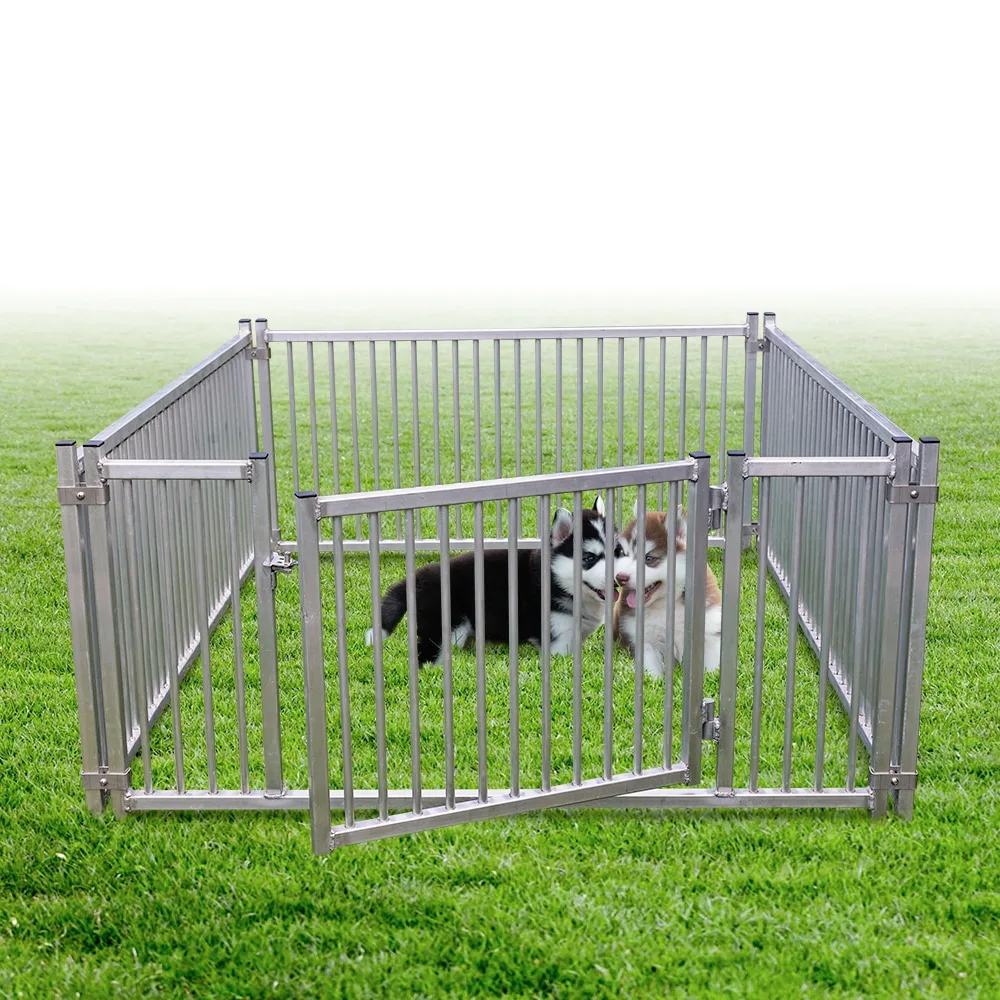
- Square or open shape for freestanding use: A freestanding shape works in the middle of a room or yard but needs more clearance around it. Check that the door still opens freely.
- Door facing your approach: Place the door on the side you naturally walk toward, and keep the latch area free of clutter.
- Leave room to step inside: If you need to reach your pet or clean the mat, plan a layout that lets you enter without lifting panels.
Fit Check: Which Pets This Pen Suits
The supplied record describes the pen as designed to grow with your pet from puppyhood to adulthood and names Border Collies, Schnauzers, and Shetlies as examples. It does not provide a weight limit, panel height, or jump-height guidance, so use your own judgment about whether your dog can climb or jump out. For strong jumpers or dogs that push hard against barriers, a taller or more rigid enclosure may be a better fit.
For cats, the same caution applies: the supplied information does not confirm cat-specific suitability, so supervise early sessions and watch for climbing attempts.
Cleaning and Daily Checkpoints
The supplied care evidence is limited to the ground mat. Keep cleaning simple and avoid inventing procedures the record does not support.
- Wipe the mat after accidents: The waterproof Oxford fabric is described as easy to clean, so wipe it down and let it dry before the next use.
- Check the mat edges: Straighten the mat if it bunches under the panels, since a raised edge can trip a pet or catch a paw.
- Inspect panel joints: Look for loose connections or bent bars before each setup. The supplied record does not include a maintenance schedule, so use a quick visual check rather than a fixed timetable.
When This Playpen Is the Wrong Choice
This foldable metal playpen is a practical option for temporary indoor boundaries, supervised outdoor time, and training sessions. It is not a substitute for a secure crate for travel, and the supplied information does not confirm it as an escape-proof enclosure for determined climbers. If you need a permanent yard fence or a pen that stays anchored in wind, look for a product with confirmed anchoring hardware and height specifications.