Quick answer
Most Foredom handpiece overheating comes from friction between the inner shaft and its sheath, not from the motor. Check for a kinked or worn sheath, confirm the inner shaft is lubricated, and reduce continuous running time. If the handpiece still gets hot after those steps, stop using it and inspect the shaft and motor connection before continuing.
Symptom check: where the heat is coming from
Before you replace anything, locate the heat. A warm motor housing after 20–30 minutes of normal use is expected. A handpiece that becomes uncomfortable to hold within a few minutes points to friction inside the sheath or a binding inner shaft. If the heat is concentrated at the handpiece tip rather than the barrel, the problem may be the accessory or bit, not the flex shaft.
Run the tool without a bit for 30 seconds. If it stays cool, the accessory is the culprit. If it heats up anyway, the issue is in the shaft, sheath, or handpiece bearing.
Cause 1: sheath drag and kinking
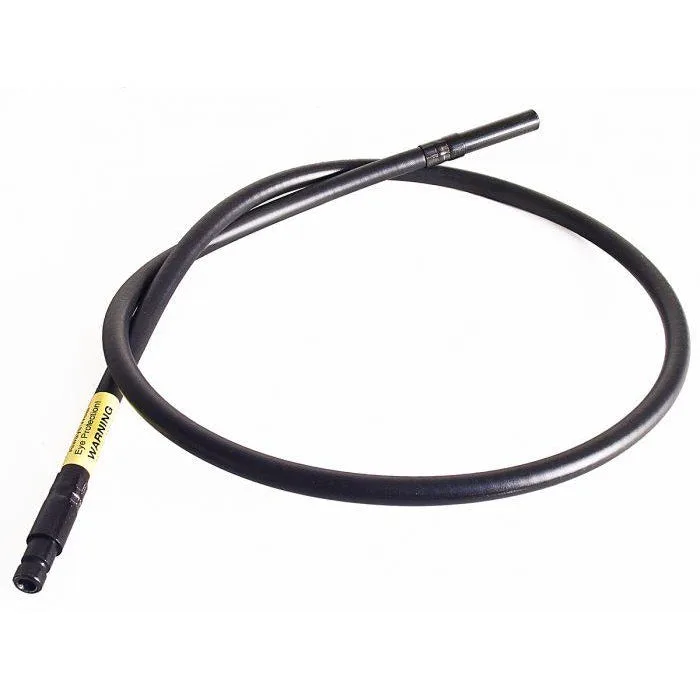
The inner shaft spins inside the sheath. If the sheath is kinked, compressed, or worn through, friction rises and heat builds along the entire cable. A neoprene sheath is more flexible than Foredom's standard sheathing material, which reduces drag in tight curves, but it still needs a gentle bend radius. Avoid sharp loops and never let the cable rest against a hot motor housing.
Inspect the full length of the sheath for flat spots, cracks, or exposed inner shaft. Any of those means replacement, not lubrication.
Cause 2: lubrication gaps
Foredom inner shafts need periodic lubrication. If the shaft runs dry, metal-on-sheath friction creates heat quickly. Use the lubricant recommended for your motor and apply it according to the manual. Over-lubricating can attract dust and cause its own drag, so follow the interval rather than adding more when heat appears.
If you cannot remember the last lubrication, that is a sign to service the shaft before running another long session.
Cause 3: hammer-action handpieces behave differently
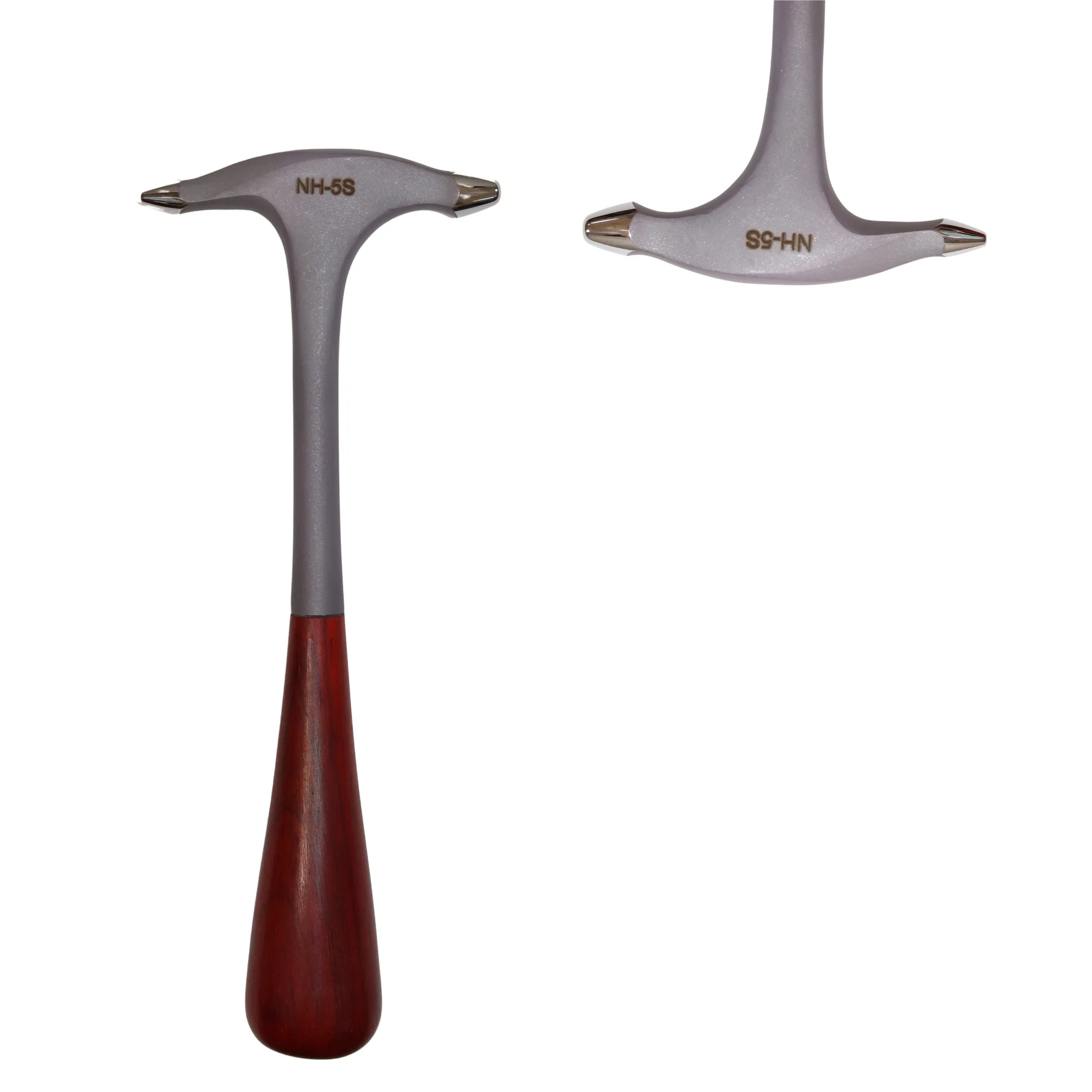
The H.15 Hammer Handpiece does not rotate. Its tip reciprocates in and out by 1/32 inch to create a hammering action, and speed is controlled through the foot pedal or a desktop speed controller. Because the motion is reciprocating rather than spinning, heat builds from repeated impact and from the force adjustment ring being set too tight for the work. Reduce the force with the knurled ring and shorten continuous runs. This handpiece is designed for TX or SR pendant motors, so confirm you are using a compatible motor before assuming the handpiece is faulty.
Corrective actions you can take today
Start with the simplest fix: reduce continuous run time and let the handpiece cool between sessions. Then check the sheath routing for kinks and confirm the inner shaft is lubricated. If the sheath is worn or the wrong type for your motor, replace it. For motors that accept it, a neoprene replacement sheath can restore flexibility and reduce drag. Always match the sheath to your motor model and use the correct inner shaft.
If heat persists after these steps, stop. Continuing to run an overheating handpiece can damage the shaft, sheath, and motor bearings.
Diagnosis: match the symptom to the fix
- Handpiece hot within 2–3 minutes, no bit installed: The inner shaft is likely dry or the sheath is kinked. Lubricate the shaft and reroute the cable with gentle curves. If heat returns immediately, replace the sheath.
- Heat only when using a bit or accessory: The accessory may be binding or too large for the material. Reduce pressure and check the bit for damage. If the bit is fine, the handpiece bearing may need service.
- H.15 hammer handpiece gets hot during texturing: Reciprocating action plus high force setting generates heat. Loosen the knurled force ring and work in shorter bursts. If heat continues, confirm you are using a TX or SR pendant motor.
- Sheath is cracked, flat-spotted, or shows exposed inner shaft: This is a replacement situation, not a lubrication one. Order a new sheath matched to your motor and inner shaft type. Do not run the tool until the sheath is replaced.
- Motor housing hot, handpiece cool: The motor may be working harder than it should due to sheath drag downstream. Fix the sheath first before assuming motor failure. If the motor still overheats with a free-running shaft, stop and service the motor.
Parts and tools that address the cause
- S-77N Sheath, Neoprene FOREDOM Replacement (Optional Sheath): Optional 36-1/4 inch neoprene outer sheath fits all motors except discontinued EE, GG, MMG, F, JJ, JB, 975, 980W, and 981W models. Use with S-93 key tip inner shafts, sold separately. A flexible neoprene sheath reduces drag-related heat, but you must confirm your motor is not on the exception list and that you have the correct inner shaft before ordering.
- H.15 Hammer Handpiece Foredom: The H.15 Hammer Handpiece reciprocates rather than rotates, with a 1/32 inch in-and-out tip movement. Speed is controlled via foot pedal or desktop speed controller, and force is adjusted by a knurled ring. For use with TX or SR pendant motors. Hammer-action heat comes from impact and force setting, not shaft speed. Adjusting the knurled ring and using a compatible TX or SR motor prevents unnecessary friction.