Quick answer
Replace the outer sheath when it is cracked, kinked, or worn through; replace the inner shaft when it is bent, frayed, or the key tip no longer seats. If the motor runs but the handpiece stalls, check both parts before buying either.
Why the sheath and shaft fail differently
The outer sheath holds the inner shaft in a fixed curve and keeps abrasive dust away from it. A sheath that is kinked or split lets the shaft whip and wear against the housing, so a worn sheath can damage a new shaft. The inner shaft carries the drive from the motor to the handpiece; its key tip engages the handpiece and wears faster if the sheath is not supporting it properly. That is why Foredom motor maintenance parts should be checked as a pair rather than replaced one at a time by guesswork.
When the standard shaft is the right choice
The S-93-NC key tip shaft is a non-conductive variant with a plastic motor connector, developed for equine dentists and similar users. If your work does not call for that non-conductive connector, a standard shaft is the usual replacement. The S-93-NC is listed for specific motors including M.SR, M.SRM, M.SRB, M.TX, M.TXM, M.TXB, and M.LX; confirm your motor model against the product listing before ordering, because the catalog does not list every motor.
The point where you should stop and check something else
If the sheath and shaft both look sound but the handpiece still stalls or heats up, stop replacing flex shaft parts. The problem may be in the handpiece, the motor, or the connection at the motor end, and a new sheath or shaft will not fix it. Likewise, if a new shaft runs rough in an old sheath, do not keep running it; replace the sheath first so the new shaft is not worn out prematurely.
Diagnose the symptom before you order
- Symptom: visible crack, split, or flat spot in the outer sheath: Likely cause: the sheath has worn through or been kinked. Corrective action: replace the outer sheath with the standard 36-1/4-inch S-77 sheath. Inspect the full length of the sheath under light; small splits near the handpiece end are easy to miss.
- Symptom: inner shaft is bent, frayed, or the key tip will not seat in the handpiece: Likely cause: flex shaft inner shaft wear or damage. Corrective action: replace the inner shaft. Use the S-93-NC only if you need the non-conductive connector and your motor is listed as compatible; otherwise use a standard shaft. Roll the old shaft on a flat surface; a wobble confirms it is bent.
- Symptom: handpiece stalls or heats up but sheath and shaft look fine: Likely cause: the problem is in the handpiece, motor, or motor connection, not the flex shaft. Corrective action: stop replacing flex shaft parts and inspect those components instead. If a new shaft still runs hot in the old sheath, replace the sheath before using the new shaft further.
Parts that fit this diagnosis
-
S-93-NC Key Tip Shaft for Most Motors, 39″ Long, Non-Conductive: 39-inch non-conductive inner shaft with a plastic motor connector, developed for equine dentists and similar applications. Choose this shaft only when you need the non-conductive connector and your motor is on the compatible list.
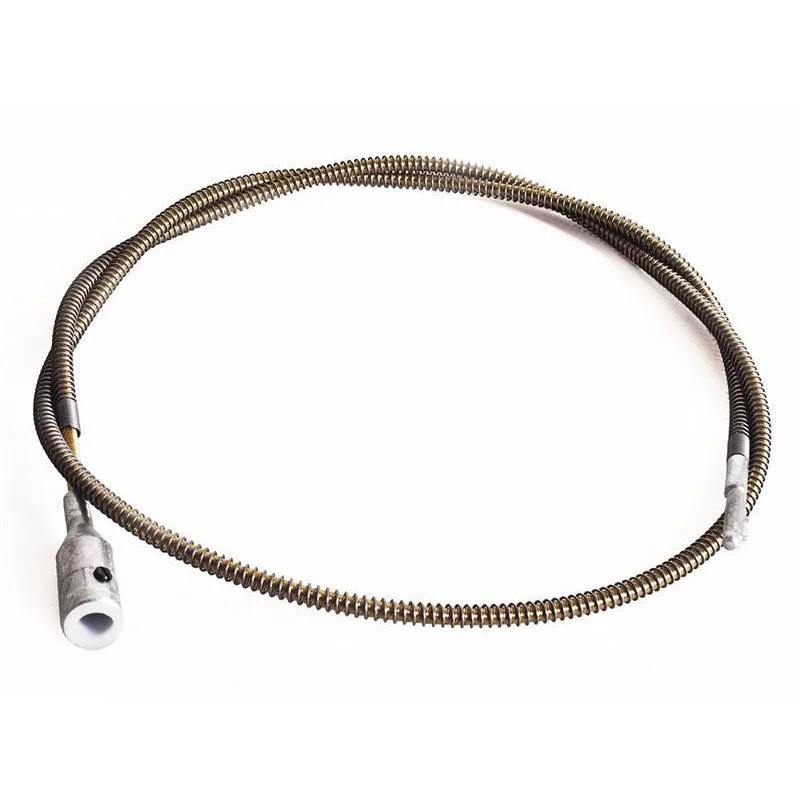
S-93-NC Key Tip Shaft for Most Motors, 39″ Long, Non-Conductive
-
S-77 Sheath for Most Motors, 36-1/4″ Long, Standard (FOREDOM Replacement): 36-1/4-inch standard outer sheath, the same sheath factory-equipped on virtually all current Foredom motors. This is the direct replacement when the outer sheath is cracked, kinked, or worn.
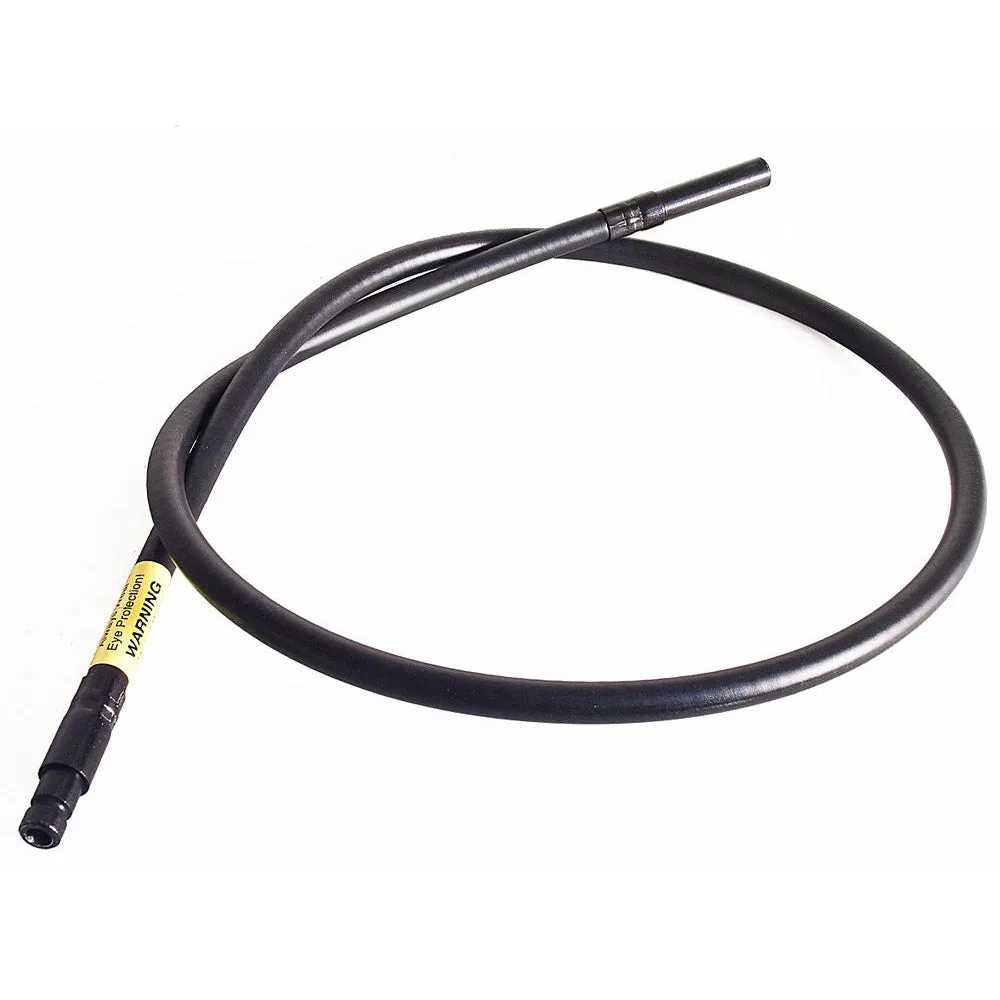
S-77 Sheath for Most Motors, 36-1/4″ Long, Standard (FOREDOM Replacement)