Quick answer
Choose forged wheels if you rock crawl, desert race, or carry heavy loads and want the highest strength-to-weight ratio, and you accept the higher price. Choose cast aluminum wheels if you mostly drive trails and streets on a tighter budget and can accept lower load capacity and more weight. Forged construction costs more, but it gives you more margin against impact and fatigue.
How Forged and Cast Wheels Are Made
Casting pours molten aluminum into a mold, so the metal cools with a grain structure that can include porosity and internal voids. Forging starts with a solid billet or puck and presses it into shape under high pressure, which aligns the grain and produces a denser, more uniform part. That difference in manufacturing is why a forged wheel can be both stronger and lighter than a cast wheel of the same size. It also explains the price gap: forging dies and presses cost far more to run than casting molds.
Strength and Weight: What Actually Changes on the Trail
A forged wheel resists bending and cracking better under hard impacts, which matters when you drop a loaded tire onto a rock ledge or clip a desert whoop at speed. Because the material is stronger, engineers can remove material elsewhere, so the wheel weighs less. Less unsprung weight helps suspension react faster and can reduce fatigue on steering and hub components over long trips. Cast wheels are not weak, but they typically need more material to hit the same load rating, so they end up heavier. If you are near the limit of your vehicle's gross axle weight rating, that extra weight eats into your payload margin.
Cost, Repairability, and Long-Term Value
Forged wheels cost more up front, and that premium buys strength and weight savings rather than features you can see. Cast wheels are cheaper to replace if you damage one, which matters for budget builds and spare-tire planning. Forged wheels can often be repaired after a bend if the damage is not too severe, but a cracked cast wheel usually gets replaced. If you plan to keep the vehicle for years and run hard trails, the cost per mile of a forged wheel can look better than the sticker price suggests. If you trade vehicles often or run easy trails, cast wheels keep more money in your pocket for tires and armor.
What to Check Before You Buy Either One
Load rating is the number that matters most, and it should be published for the exact wheel you are considering. Check the wheel's load capacity against your vehicle's gross axle weight rating, especially on a truck that tows or carries a camper. Verify bolt pattern, backspacing, and brake clearance before ordering, because a forged wheel that does not clear your calipers is not a bargain. If you run beadlocks, confirm the wheel is designed for the tire and pressure you plan to use. Also check whether the wheel uses a standard valve stem or a specialized one; some dually applications need a specific extension.
Trade-offs at a Glance
- Strength vs. price: Forged wheels resist impact and fatigue better, but cost more up front. Cast wheels cost less and are easier to replace, but may bend or crack under hard hits. Set a budget and decide how much impact protection you actually need.
- Weight vs. load capacity: A forged wheel can be lighter and still carry more load than a comparable cast wheel. That helps suspension response and payload margin. If you tow or haul near your GVWR, forged is the safer choice.
- Repairability vs. replacement: A forged wheel may be repairable after a bend, while a cracked cast wheel is usually replaced. Replacement cost is lower on cast. Consider total cost over the life of the vehicle, not just purchase price.
Product facts
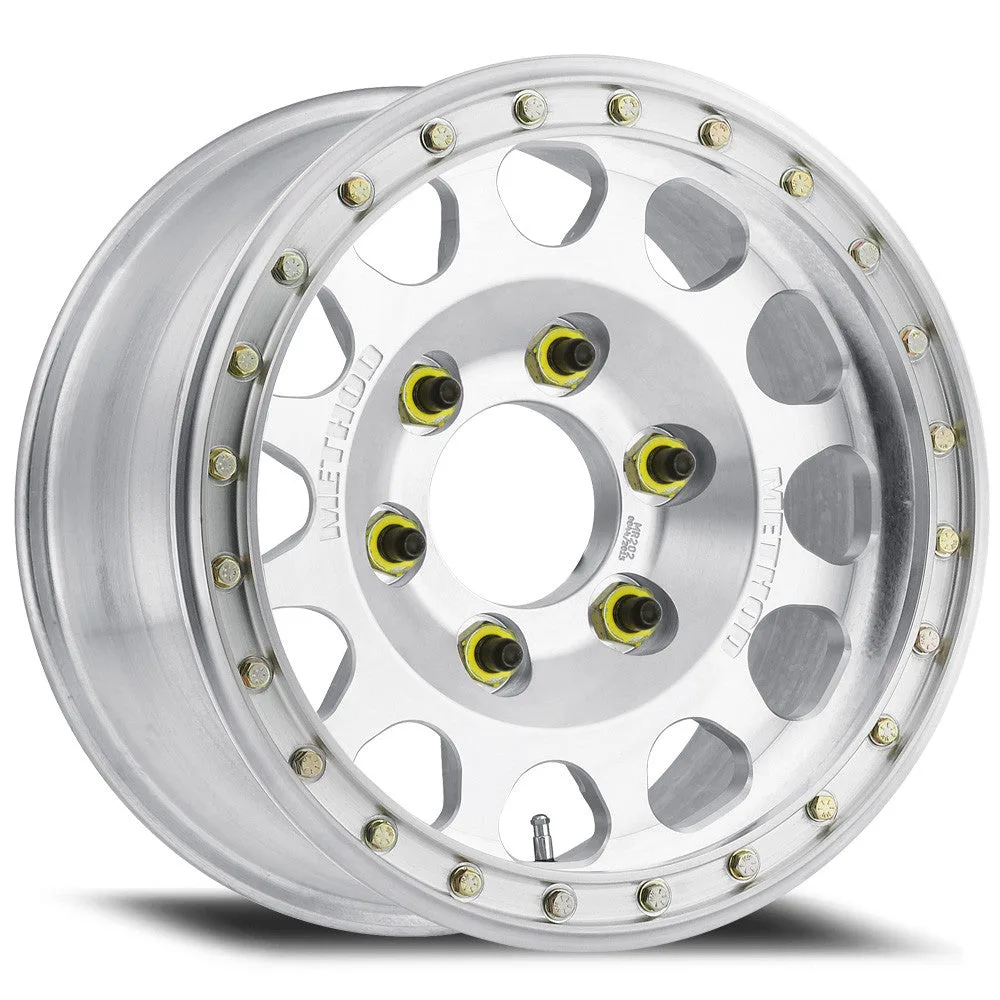
- 202 | Forged Beadlock | Machined - Raw: The 202 is a forged wheel built for rock crawling or desert racing, with high strength material properties, highest load capacities, and lowest weights. This is the forged option when you need maximum strength-to-weight and load capacity for hard use.
- Method OG Race Proven Tee - Markdown | Light Olive: Method OG Race Proven Tee is a unisex short-sleeve crew neck in 4.3oz 60/40 ringspun cotton/polyester with screen print at chest, back, and neck, and an athletic fit. A low-cost way to show brand support while your wheel budget goes toward forged hardware.
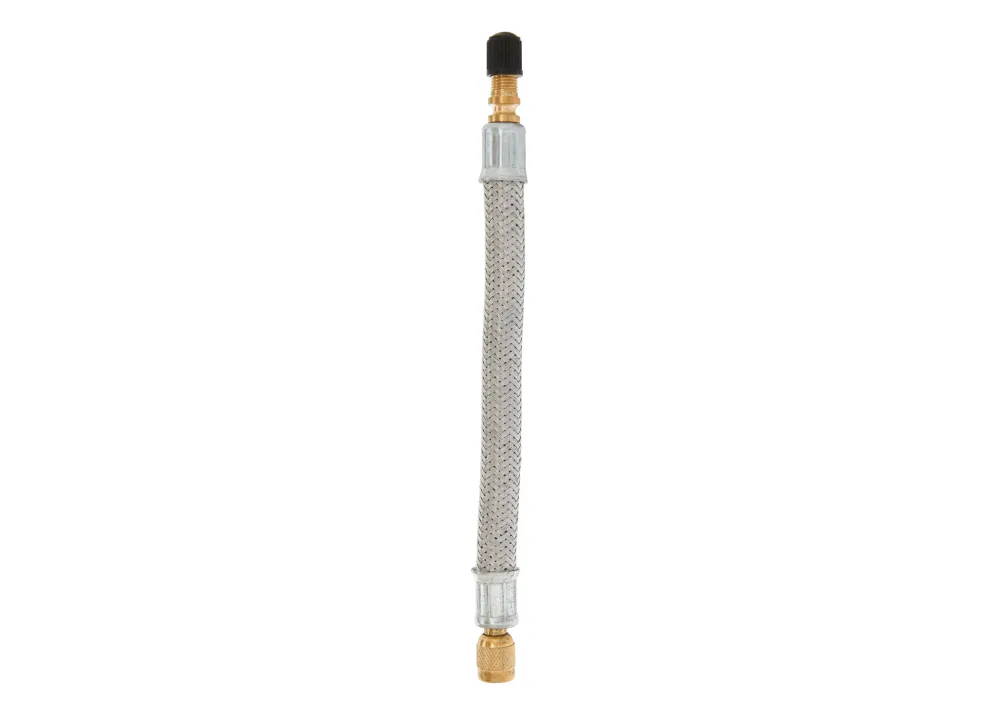
- Valve Extension | 901 Transit Dually Rear Wheel: Valve Extension for 901 Transit Dually Rear Wheel is a single extension valve for the Ford Transit, with one required per rear wheel. If you run a dually Transit with 901 series wheels, this is the correct accessory to reach the inner valve stem.
Which Should You Choose?
Choose forged if you:
- Rock crawl or desert race where impact resistance and low weight matter most
- Tow or haul heavy loads and need the highest load capacity available
- Keep vehicles long-term and want repairability after minor bends
Choose cast if you:
- Run mostly easy trails and streets on a tight budget
- Prefer lower replacement cost over maximum strength
- Do not need the weight savings or load capacity of a forged wheel