Quick answer
Choose a fountain by measuring your space first, then deciding how much sound you actually want. Indoor fountains should stay under 18 inches wide and run quietly; outdoor fountains can be larger but need a level, wind-sheltered spot with easy access to power or refilling. Match the fountain's material and style to your existing planters so the whole area feels intentional.
A fountain is one of the few garden purchases that changes both how a space looks and how it feels. The trick is narrowing the field before you fall for a finish or a shape that will not work where you plan to put it.
This guide walks through the three decisions that matter most: size, sound, and placement. It also covers how to coordinate a fountain with planters you already own, so the result looks collected rather than crowded.
Start With Size: Measure the Space, Not the Fountain
Before you shop, measure the footprint you can dedicate to a fountain and the clearance around it. A fountain needs breathing room—roughly 12 to 18 inches on all sides—so water does not splash onto walls, furniture, or electrical outlets. For indoor fountains, that usually means a tabletop or floor space at least 24 inches wide. For outdoor fountains, measure the patio or garden bed and subtract walking paths and seating areas.
Height matters as much as width. A fountain that is too tall for a balcony can block views or catch wind; one that is too short on a large patio can disappear. As a rule, the fountain's height should be about one-third to one-half the height of the surrounding plants or furniture to feel balanced. If you are unsure, go smaller rather than larger—a modest fountain that fits is more enjoyable than a dramatic one that overwhelms.
- Indoor: aim for a fountain under 18 inches wide and under 24 inches tall unless you have a dedicated floor space.
- Outdoor: measure the widest point of the fountain and add 12–18 inches of clearance on every side.
- Check weight: ceramic and stone fountains can be heavy, so confirm your surface can support them.
Decide How Much Sound You Want
Fountain sound is not one thing. A gentle trickle from a small tabletop fountain can mask traffic or office noise without dominating a room. A larger outdoor fountain with a wide spillway or a bubbler creates a fuller, more continuous sound that can cover street noise but may make conversation harder on a small patio. Listen to samples or visit a showroom if you can, and think about when you will use the fountain most—morning coffee, evening dinners, or background while you work.
The sound also depends on water volume and drop height. More water and a taller drop generally mean more sound. If you want a calm indoor fountain, look for a recirculating design with a low pump setting or an adjustable flow. For outdoor use, a fountain with a wider basin and a lower, broader spill tends to produce a steadier sound than a narrow, high spout.
- Indoor: choose a fountain with an adjustable pump or a low-flow design so you can dial the sound down.
- Outdoor: if you host often, place the fountain at least 6 feet from seating so conversation stays easy.
- Test the sound at different water levels—some fountains get louder as the basin drops.
Placement Factors That Make or Break a Fountain
Placement is where most fountain plans succeed or fail. Outdoors, wind is the biggest enemy: a fountain in a breezy spot will lose water to evaporation and spray, and the sound will become erratic. Look for a spot sheltered by a wall, fence, or dense planting, and avoid placing a fountain directly under trees that drop leaves or sap. You also need a power source for the pump—unless you choose a solar model—and a way to refill the basin without dragging a hose through the house.
Indoors, placement is about light, traffic, and moisture. Keep fountains out of direct sun, which encourages algae and evaporation, and away from high-traffic paths where they can be bumped. A fountain near a plant grouping works well because the humidity benefits nearby foliage, but avoid placing it directly against a wall or on a surface that water can damage. If you have pets or small children, secure the cord and consider a fountain with a covered reservoir.
- Outdoors: choose a spot with partial shade and wind protection; avoid low spots where water pools.
- Indoors: keep the fountain at least a few inches from walls and use a tray or mat to catch splashes.
- Check access: you will need to refill and clean the fountain regularly, so do not tuck it behind heavy furniture.
Coordinate With Planters for a Cohesive Look
A fountain rarely stands alone. Most people place it near planters, and the relationship between the two can make the whole area feel designed or accidental. The easiest approach is to repeat one element—color, texture, or shape—between the fountain and the planters. For example, a fountain with a rough, volcanic glaze pairs naturally with planters that share that cratered finish, while a smooth ceramic fountain looks better with clean-lined pots.
Scale is the other half of coordination. A large fountain next to tiny pots looks unbalanced; a small fountain beside a massive planter gets lost. Aim for planters that are roughly one-half to two-thirds the height of the fountain, or cluster several smaller planters to create a visual base. If you already own planters, bring a photo of them when shopping, or order a fountain finish that matches your existing palette.
- Repeat a finish or color between fountain and planters to tie the grouping together.
- Use planters to frame the fountain, not block it—leave the front and sides open.
- If you cannot match finishes, match the scale and keep colors neutral.
Decision rules for buying a fountain
- If your space is under 50 square feet: Choose a tabletop or small floor fountain under 18 inches wide. Measure the clearance around it and keep it at least 12 inches from walls. Smaller fountains are easier to place and less likely to overwhelm a compact balcony or room.
- If you want a fountain for background sound: Pick a model with an adjustable pump and a low, broad spill. Avoid tall, narrow spouts that create a sharp, splashing sound. You can always turn the flow down, but you cannot make a loud fountain quieter without modifying it.
- If you are placing the fountain outdoors: Choose a wind-sheltered spot with partial shade and a nearby power source or solar panel. Plan for refilling and cleaning access. Wind and sun cause most fountain problems, so placement matters more than the model you choose.
- If you already own planters: Bring a photo or a sample of your planter finish when shopping. Match the fountain's texture or color to one element in the planters. Coordination is easier than starting over, and it makes the whole area look intentional.
Product facts to know
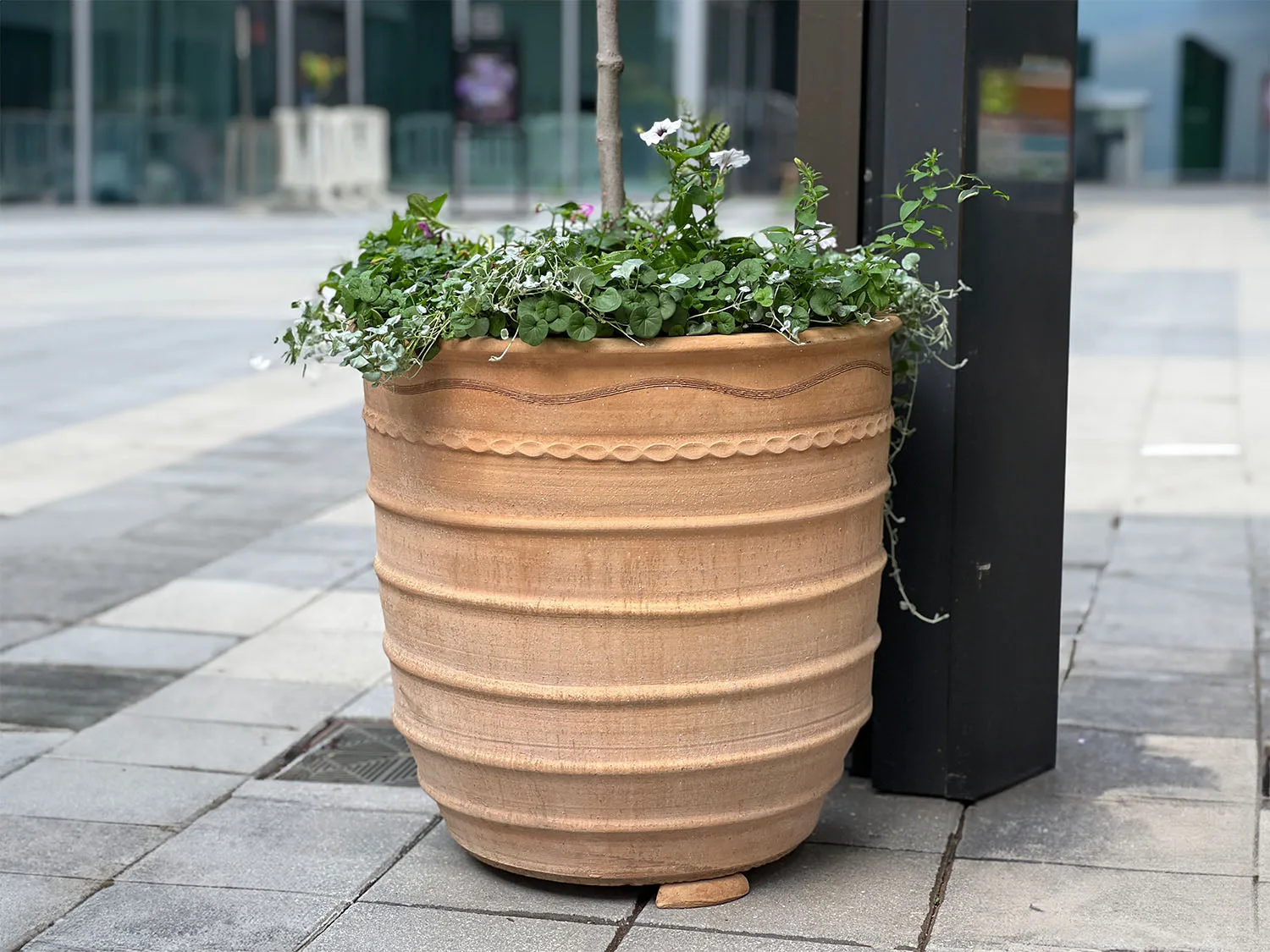
- AMPHORA POT: The AMPHORA POT from PLANTATOREM is a ceramic planter suited to both outdoor and indoor settings, part of the Tuscan Sun Collection, with an aged color assortment and a size of 6.0" x 7.0". Its weathered, decorative look works well beside a fountain with a natural or antique finish, and its dual indoor/outdoor use means you can move it if you rearrange your fountain area.
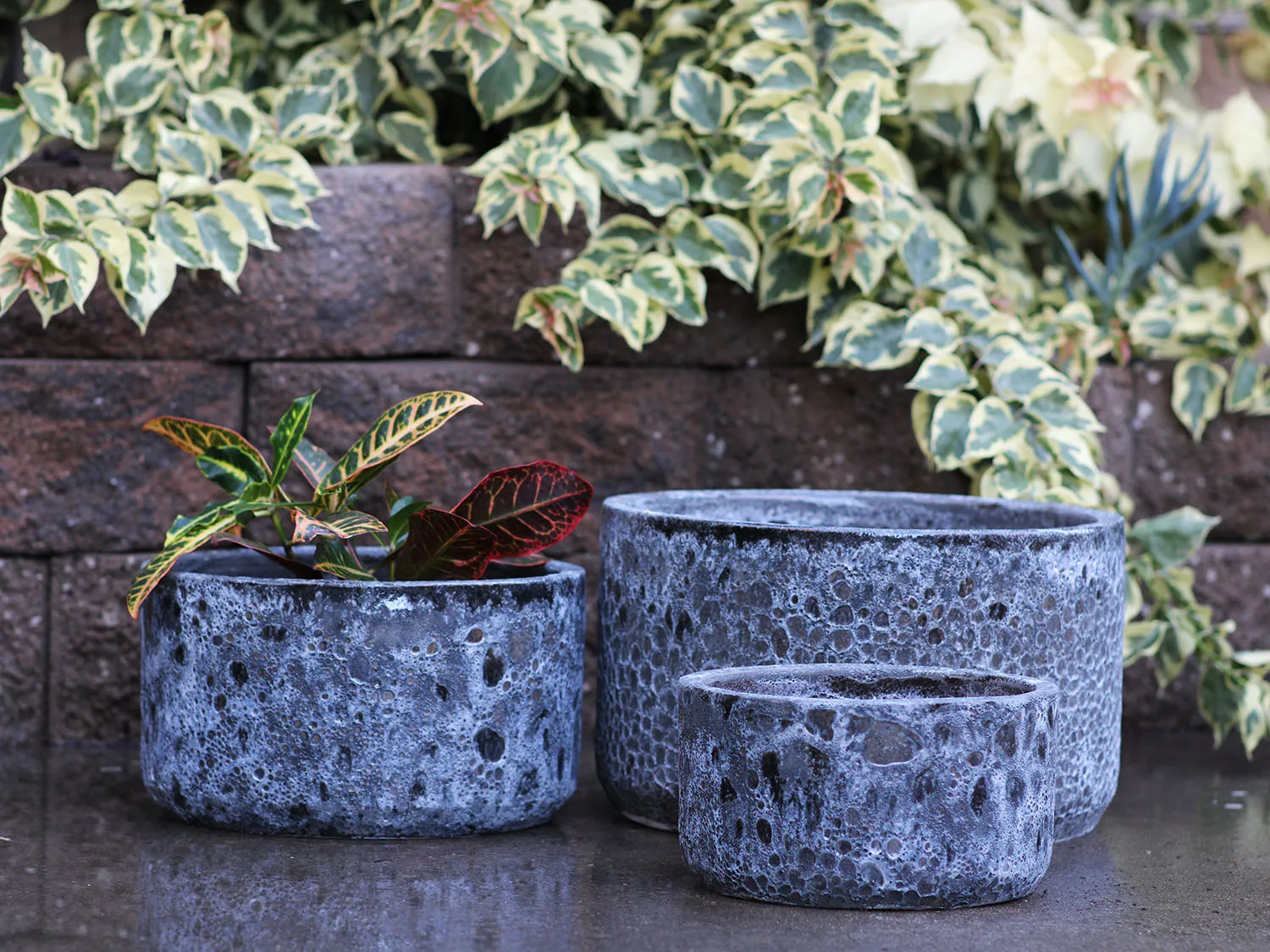
- Redondo Low Mid Planter By Plantatorem: The Redondo Low Mid Planter is a ceramic set of 3 from the Chelsea Gardener collection, finished in a cratered black glaze that resembles volcanic rock, with a reactive glaze that creates pits and craters. The bold, textured surface pairs naturally with fountains that have rough or stone-like finishes, and the set of 3 gives you flexibility to arrange around a fountain without buying multiple sizes.
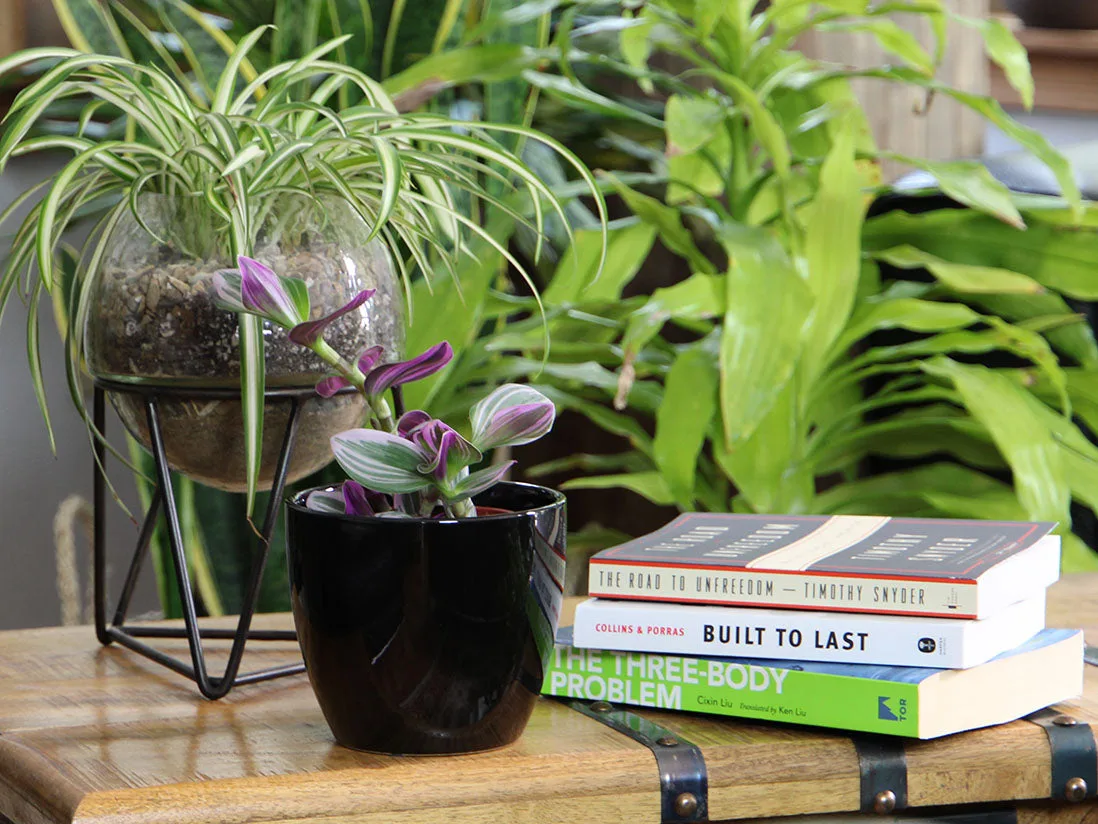
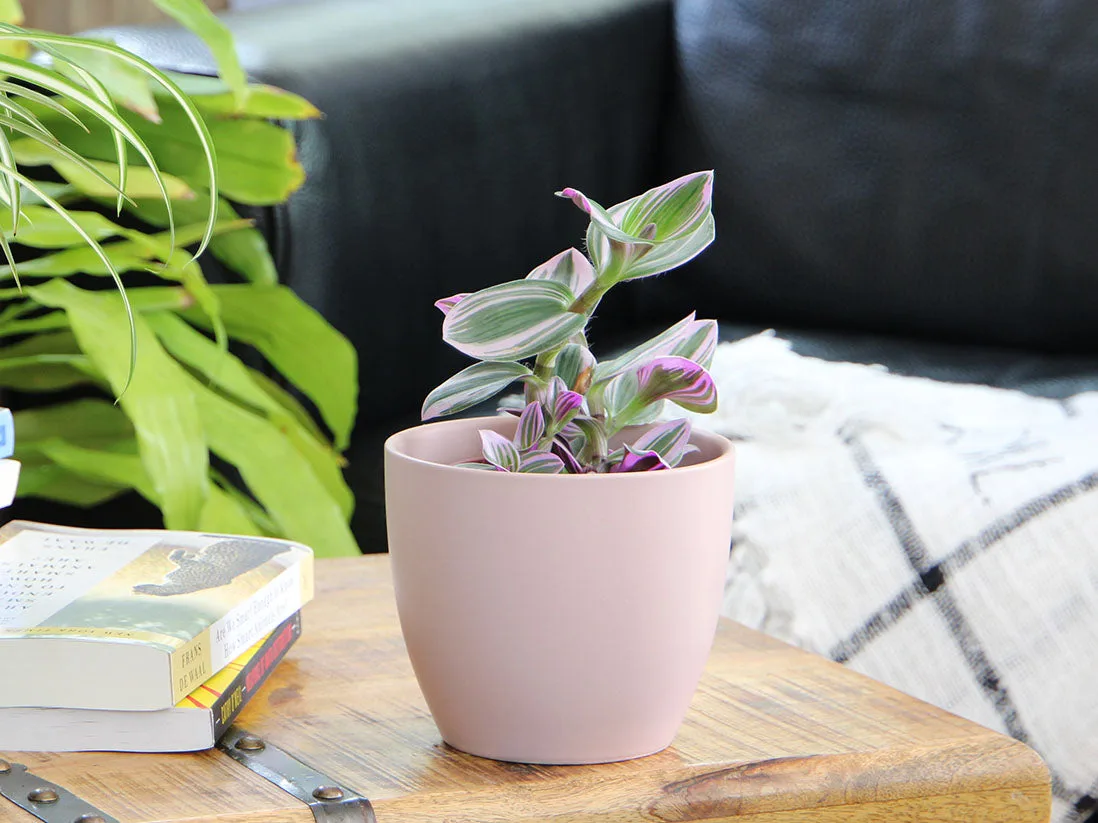
- https://plantatoremez.com/products/peace-lily-cache-pot-case-of-12-1d7fd5b7d495ef78d9a1c035-2580439https://plantatoremez.com/products/peace-lily-cache-pot-case-of-2-da4d2eab37d3eb43d85a71ac-2580448Peace Lily Cache Pot By Plantatorem: The Peace Lily Cache Pot by Plantatorem is a ceramic drop-in planter designed for indoor use, available in a single pot or as a case of 4, with glossy and matte finishes in several colors. If you are placing an indoor fountain, this cache pot's clean lines and color options let you coordinate with the fountain without repotting, and the case of 4 helps you create a balanced grouping around a tabletop fountain.
Who this fountain buying approach is for
Best for
- Balcony and patio owners who need a fountain that fits a defined footprint without blocking walkways.
- Indoor gardeners who want gentle water sound and a focal point that works with existing planters.
- Shoppers who want to coordinate a fountain with ceramic planters rather than buy a standalone piece.
Not for
- Buyers who want a large, dramatic water feature and are willing to run dedicated plumbing and power.
- Anyone who cannot commit to regular refilling and cleaning, since all fountains need maintenance.
- Spaces with no access to power and no sunlight for a solar pump.
Buying a fountain comes down to three practical checks: measure your space, decide how much sound you want, and choose a spot you can actually maintain. When the fountain and your planters share a finish or a scale, the result feels deliberate. Start with the smallest fountain that meets your needs—you can always add a second one later.