Quick answer
Fragrance sensitivity is a real reaction, but it is not the same as a true allergy. If you have reacted to perfume before, patch test any new scent on your inner forearm for 24 to 48 hours before wearing it widely. Start with a 2 ml sample so you can test without committing to a full bottle.
What fragrance sensitivity actually feels like
Fragrance sensitivity symptoms usually show up where the product touches your skin: redness, itching, a burning or stinging feeling, or small bumps. Some people also notice sneezing, a runny nose, or a headache when they breathe in a strong scent, even if their skin is fine. A true fragrance allergy is an immune reaction and can be more severe, sometimes causing a rash that spreads or blisters. If you have trouble breathing, swelling, or a reaction that spreads beyond the application site, stop using the product and seek medical advice. Most everyday reactions are irritation rather than allergy, which is why a patch test matters before you decide a scent is off-limits.
How to patch test a perfume sample the right way
A patch test is not the same as spraying a scent on your wrist and seeing how it smells. Apply a small amount of the fragrance to a quarter-sized area of clean, dry skin on your inner forearm. Cover it loosely with a bandage if you tend to scratch, and leave it undisturbed for 24 hours. Check for redness, itching, or bumps. If nothing happens, repeat on the same spot for another 24 hours, because some reactions are delayed. Only after a clean 48-hour test should you wear the scent on your neck or wrists. A 2 ml sample gives you enough for two or three patch tests, which is why sampling first is smarter than buying a full bottle.
Fragrance-free vs. scented laundry: what the labels mean
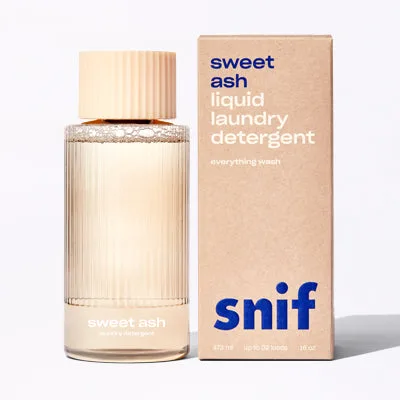
Fragrance-free and unscented are not interchangeable on laundry products. Fragrance-free means no fragrance ingredients were added, while unscented may contain a masking fragrance to cover the natural smell of the formula. If your skin reacts to scent, fragrance-free is the safer choice for detergent, dryer sheets, and fabric softener. But your perfume or body mist can still clash with lingering laundry scent. If you are sensitive, wash your clothes in a fragrance-free detergent and skip dryer sheets, then apply your fragrance to skin rather than clothing. That way you control exactly what touches your skin and how much you wear.
Body mist vs. perfume sensitivity: which is gentler?
Body mists usually contain a lower concentration of fragrance oils than perfumes, so they can feel gentler on sensitive skin and are easier to control. That does not make them hypoallergenic; a reaction depends on the specific ingredients, not just the strength. If you are sensitive, start with a body mist applied to a small area, or dilute your usual perfume by spraying it into an unscented lotion before applying. Avoid layering multiple scented products on the same day, because the combined load can trigger irritation even when each product alone is fine. Keep a note of which scents caused a reaction so you can spot patterns in the ingredient list.
Choosing safe fragrance for sensitive skin
There is no universal safe fragrance for sensitive skin, because sensitivity is personal. The practical approach is to test one new scent at a time, keep the application area small, and avoid trying a new perfume on the same day as a new lotion or detergent. Alcohol-based perfumes can sting broken or dry skin, so apply to healthy, moisturized skin. If you already know you react to certain florals or musks, look for simpler compositions and sample first. A sample set lets you test several scents over a few weeks without opening full bottles, which is cheaper and less wasteful than guessing.
Fragrance sensitivity FAQ
Can you be allergic to perfume?
Yes, but true perfume allergy is less common than irritation. An allergy involves your immune system and can cause a spreading rash, blisters, or swelling. Irritation stays mostly where you sprayed and feels like itching, redness, or stinging. If you have swelling or trouble breathing, get medical help. Patch test first, and treat any spreading reaction as a reason to stop and seek advice.
How long should a patch test stay on?
Apply a small amount to your inner forearm and leave it for 24 hours, then reapply to the same spot for another 24 hours. Check for redness, itching, or bumps at each stage. Do not wash the area during the test. A clean 48-hour test is your green light to wear the scent more widely.
Is body mist safer than perfume for sensitive skin?
Body mists typically have a lower fragrance concentration, so they may be less likely to irritate, but they are not automatically hypoallergenic. The specific ingredients matter more than the format. Test any new mist the same way you would a perfume. Lower concentration can help, but your own patch test is the only reliable check.
What does fragrance-free mean on laundry products?
Fragrance-free means no fragrance ingredients were added. Unscented may still contain a masking fragrance. If scent bothers your skin, choose fragrance-free detergent and skip dryer sheets so your clothes do not compete with your perfume. Read the label carefully; fragrance-free and unscented are not the same.
Where should I apply fragrance if I have sensitive skin?
Apply to healthy, moisturized skin on your inner forearm first, then move to your neck or wrists only after a clean patch test. Avoid broken or freshly shaved skin, and do not layer multiple scented products on the same day. One new scent at a time makes it easier to identify what caused a reaction.
Products that help you test before you commit
- Only Sunshine Fragrance Sample: Only Sunshine Fragrance Sample is a 2 ml fragrance sample with a tropical scent and a warm ocean breeze feel, designed for personal fragrance evaluation and available as a free sample option. A 2 ml sample gives you enough to patch test on your forearm for 24 to 48 hours before wearing it on your neck or wrists, so you can check for sensitivity without buying a full bottle.
- Super Secret Sample Set: Super Secret Sample Set includes six 2 ml fragrance samples featuring a selection of experimental scents from the Secret Menu. Testing six different scents one at a time over several weeks helps you identify which notes or formulas your skin tolerates, rather than guessing from a full-size purchase.