The label is a starting point, not a guarantee
When you compare free range eggs with regular eggs, the first thing to separate is the label from the evidence behind it. 'Free range' generally signals that hens had outdoor access, but the specific standards vary by producer and region. The label alone does not tell you the flock size, the amount of outdoor space per bird, or the diet.
That is why a useful comparison starts with what a specific product actually states. For regular eggs, the carton often gives little beyond grade and size. For free range eggs, the producer may describe living conditions and feed. The gap between those two levels of detail is where your buying decision lives.
What Dibeen free range eggs actually claim
Dibeen Free Range Eggs come with a short but specific description: hens roam freely outdoors, breathe fresh air, and feed on greens and vegetables. The record also states that garlic and vinegar are added to their feed to support immunity. These are producer claims, not independently verified test results, so treat them as the brand's account of its own practices.
The same record makes nutritional claims: more vitamin D, lower cholesterol, and higher anti-inflammatory fatty acids compared with regular eggs. No lab figures or comparison baseline are supplied, so the honest reading is that these are stated advantages rather than measured differences you can check on the carton.
Catalog evidence for the free range option
-
Dibeen Free Range Eggs: Dibeen free range eggs are described as coming from hens that roam freely outdoors, breathe fresh air, and feed on greens and vegetables. This is the core free range claim you are comparing against a regular egg carton that typically gives no living-condition detail.
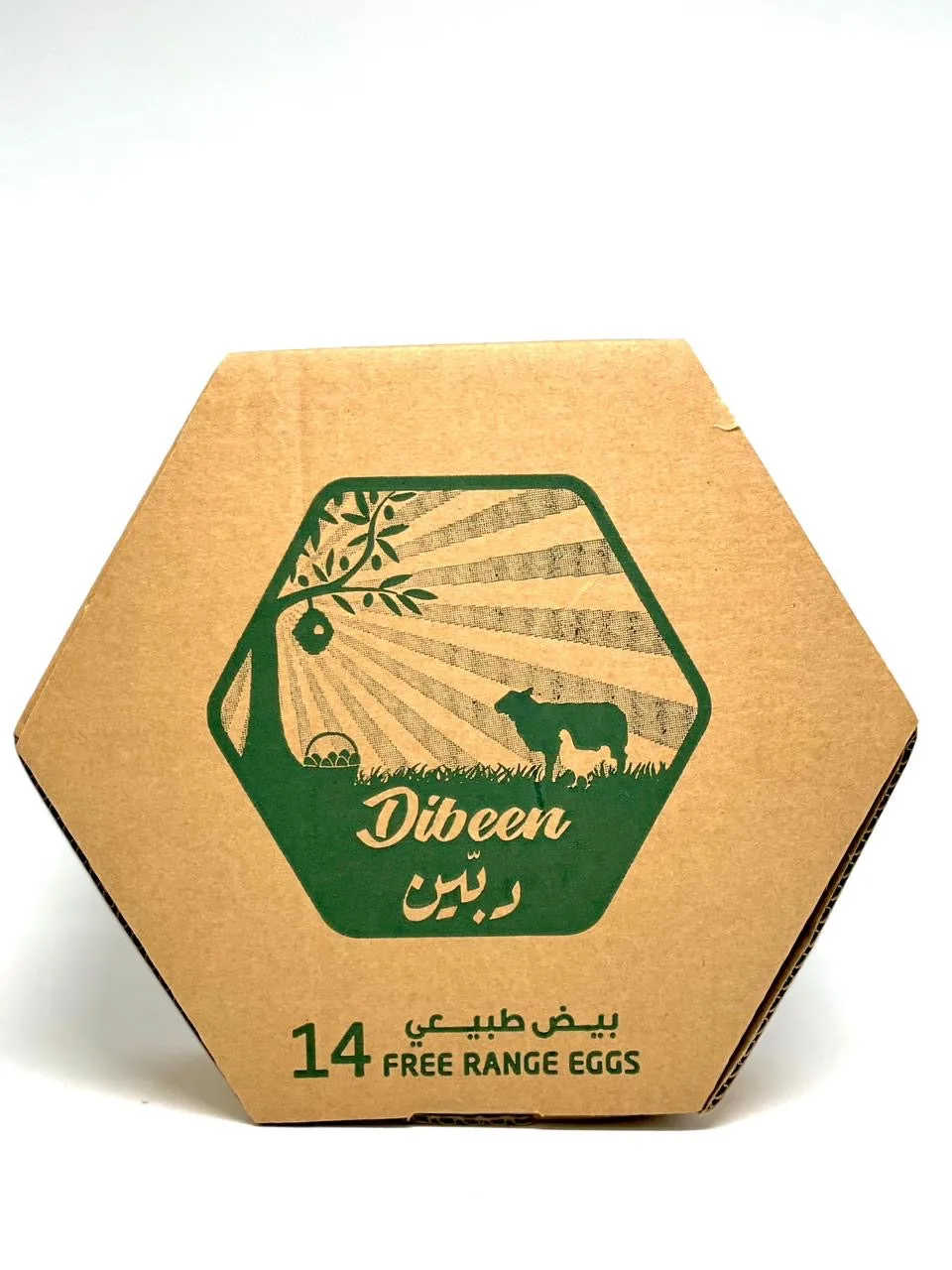
Dibeen Free Range Eggs
-
Dibeen Free Range Eggs: The producer states that garlic and vinegar are added to the hens' feed to support immunity. Feed detail is one of the few concrete differences a free range label can add; regular egg packaging rarely discloses feed additives.
-
Dibeen Free Range Eggs: The catalog lists higher vitamin D, lower cholesterol, and higher anti-inflammatory fatty acids as nutritional differences. These are the claims most shoppers use to justify paying more, but they are stated without lab values, so weigh them as marketing until you see independent testing.
Where the two options genuinely differ
The comparison below sticks to what the supplied record supports. Anything not stated for Dibeen is marked as unconfirmed rather than assumed absent from all free range eggs.
- Living conditions: Dibeen states outdoor roaming, fresh air, and a greens-and-vegetables diet. A regular egg carton in this catalog gives no comparable statement, so you cannot verify the contrast from packaging alone.
- Feed additives: Dibeen names garlic and vinegar in the feed. Regular eggs have no supplied feed detail, which means the difference is documented on one side only.
- Nutritional claims: Dibeen lists more vitamin D, lower cholesterol, and higher anti-inflammatory fatty acids. No numbers or test methods are supplied, so the size of any difference is unknown.
- Price and pack size: Dibeen is listed at USD 3.69 against a catalog comparison price of USD 5.50, in 14-egg and 20-egg packs. Regular eggs have no supplied price or pack data here, so cost per egg cannot be calculated fairly.
Pasture raised vs free range: a distinction worth knowing
Shoppers often use 'pasture raised' and 'free range' interchangeably, but the terms are not identical in most markets. Pasture raised usually implies a largely outdoor life on grass, while free range can mean outdoor access for part of the day. The Dibeen record describes free outdoor roaming and a greens-and-vegetables diet, which sits closer to the pasture raised idea, but the record does not use that term or define space per bird.
If a pasture raised claim matters to you, ask the producer for its standard rather than assuming the two labels are equivalent. The supplied information does not confirm a pasture raised certification for Dibeen.
How to choose between them at the shelf
- 1. Read the living-condition line first: If the carton says nothing about how hens live, you are comparing an unstated regular egg against a stated free range claim. Decide whether that transparency alone is worth the price difference to you.
- 2. Separate feed claims from nutrition claims: Dibeen names garlic and vinegar in the feed and lists vitamin D, cholesterol, and fatty acid differences. Ask whether the nutrition numbers are tested or estimated before you treat them as a health reason to switch.
- 3. Check the pack size against your usage: Dibeen comes in 14-egg and 20-egg packs. A larger pack only saves money if you will use the eggs before they pass their best; otherwise the cheaper carton becomes the expensive one.
- 4. Compare like with like on price: The catalog shows USD 3.69 against a comparison price of USD 5.50 for Dibeen. Without a regular egg price in the same record, calculate cost per egg from the pack you actually see rather than assuming free range is always the pricier option.
What the record does not tell you
The supplied information does not include a certification body, outdoor space per hen, flock size, or independent lab results for the nutritional claims. It also does not give storage instructions or a use-by period. Those gaps are decision limits, not proof that the product lacks such details. If any of them are essential to your choice, ask W-qameh or the producer directly before buying.
For many households, the practical answer is simpler: buy the free range carton when the stated living conditions and feed detail are the reason you are shopping, and buy regular eggs when price and familiarity matter more. Neither choice is wrong; the point is to know which claims you are paying for.