When it comes to feeding your dog a high-quality, minimally processed diet, freeze-dried raw and air-dried dog food are two of the most popular options on the market. Both preserve nutrients better than traditional kibble, but they differ in texture, preparation, and cost. If you're wondering which is better for your pup, this guide breaks down the key differences to help you make an informed decision.
Whether you're a seasoned raw feeder or just exploring gentler alternatives to processed kibble, understanding the nuances between freeze-dried raw and air-dried food can transform your dog's health and mealtime routine.
What Is Freeze-Dried Raw Dog Food?
Freeze-dried raw dog food starts with fresh, raw ingredients—typically muscle meat, organs, bone, and sometimes fruits and vegetables. The food is flash-frozen and then placed in a vacuum chamber where the water is removed through sublimation. This process preserves the nutritional integrity of the raw ingredients without heat, so enzymes, vitamins, and amino acids remain intact.
Because no heat is used, freeze-dried raw is considered a true raw diet. You can feed it as is (crumbled over kibble) or rehydrate it with water to create a moist, meaty meal. Many dogs find the texture and taste irresistible, making it an excellent choice for picky eaters or dogs with food sensitivities.
- Retains maximum nutritional value since no cooking or high heat is involved.
- Requires rehydration before feeding to ensure proper hydration and digestion.
- Typically more expensive than air-dried due to the energy-intensive freeze-drying process.
What Is Air-Dried Dog Food?
Air-dried dog food is made by slowly drying fresh ingredients at low temperatures over several hours or days. This gentle dehydration removes moisture without cooking the food, preserving many of the natural nutrients. The result is a shelf-stable, chewy, jerky-like texture that dogs love.
Unlike freeze-dried raw, air-dried food is ready to serve straight from the bag—no rehydration needed. It's less brittle and easier to handle, and it often contains fewer added preservatives because the drying process itself acts as a natural preservative. For pet parents who want a convenient, nutrient-dense option without the mess of raw, air-dried is a fantastic middle ground.
- No rehydration required—just scoop and serve for ultimate convenience.
- Gentle drying preserves nutrients but may degrade a few heat-sensitive vitamins compared to freeze-drying.
- Generally more affordable than freeze-dried raw while still offering high-quality ingredients.
Key Differences: Freeze-Dried Raw vs. Air-Dried
The main differences lie in processing method, texture, preparation, and cost. Freeze-dried raw uses sublimation (freezing then vacuum-drying), while air-dried uses low-temperature dehydration. Freeze-dried food is light, porous, and crumbly; air-dried food is chewy and dense. Freeze-dried must be rehydrated before feeding to avoid dehydration and digestive issues, whereas air-dried can be fed as is.
Nutritionally, both are excellent, but freeze-dried raw may retain slightly more heat-sensitive enzymes and probiotics. Air-dried food often has a longer shelf life once opened because the lower moisture content inhibits bacterial growth. Cost-wise, freeze-dried raw is typically 20–40% more expensive per pound than air-dried.
- Freeze-dried: crumbly, must rehydrate, higher nutrient retention, higher price point.
- Air-dried: chewy, no prep needed, slightly less nutrient retention, more budget-friendly.
- Both are superior to traditional kibble in terms of ingredient quality and digestibility.
Which One Should You Choose for Your Dog?
The best choice depends on your dog's specific needs and your lifestyle. If your dog has a sensitive stomach or requires a fully raw diet for health reasons, freeze-dried raw is the gold standard. It's also ideal for dogs who need extra moisture in their diet, as rehydration adds water that supports kidney and urinary health.
If you travel frequently, have multiple dogs, or want a no-fuss feeding routine, air-dried is a practical and nutritious option. It's also great for dogs who prefer a chewier texture or for pet parents who want to avoid handling raw meat. Many owners rotate between both types to give their dogs variety and balanced nutrition.
- For picky eaters or dogs with allergies: try freeze-dried raw for its potent aroma and pure ingredients.
- For busy owners or travel: air-dried offers convenience without sacrificing quality.
- Always transition gradually over 7–10 days to avoid digestive upset.
How to Incorporate These Foods into Your Dog's Diet
Whether you choose freeze-dried raw or air-dried, it's important to feed the correct portion based on your dog's weight and activity level. Most brands provide feeding guidelines on the package. Start by replacing 25% of your dog's current food with the new diet, then increase by 25% every few days.
You can also use these foods as meal toppers or treats. Crumbled freeze-dried raw over kibble adds flavor and moisture, while air-dried pieces make excellent training rewards. For dogs with dental issues, the softer texture of air-dried may be easier to chew than freeze-dried chunks.
- Store both types in a cool, dry place; freeze-dried raw should be kept in an airtight container after opening.
- Always provide fresh water when feeding air-dried food, as it contains low moisture.
- Consult your veterinarian before making a major diet change, especially for dogs with health conditions.
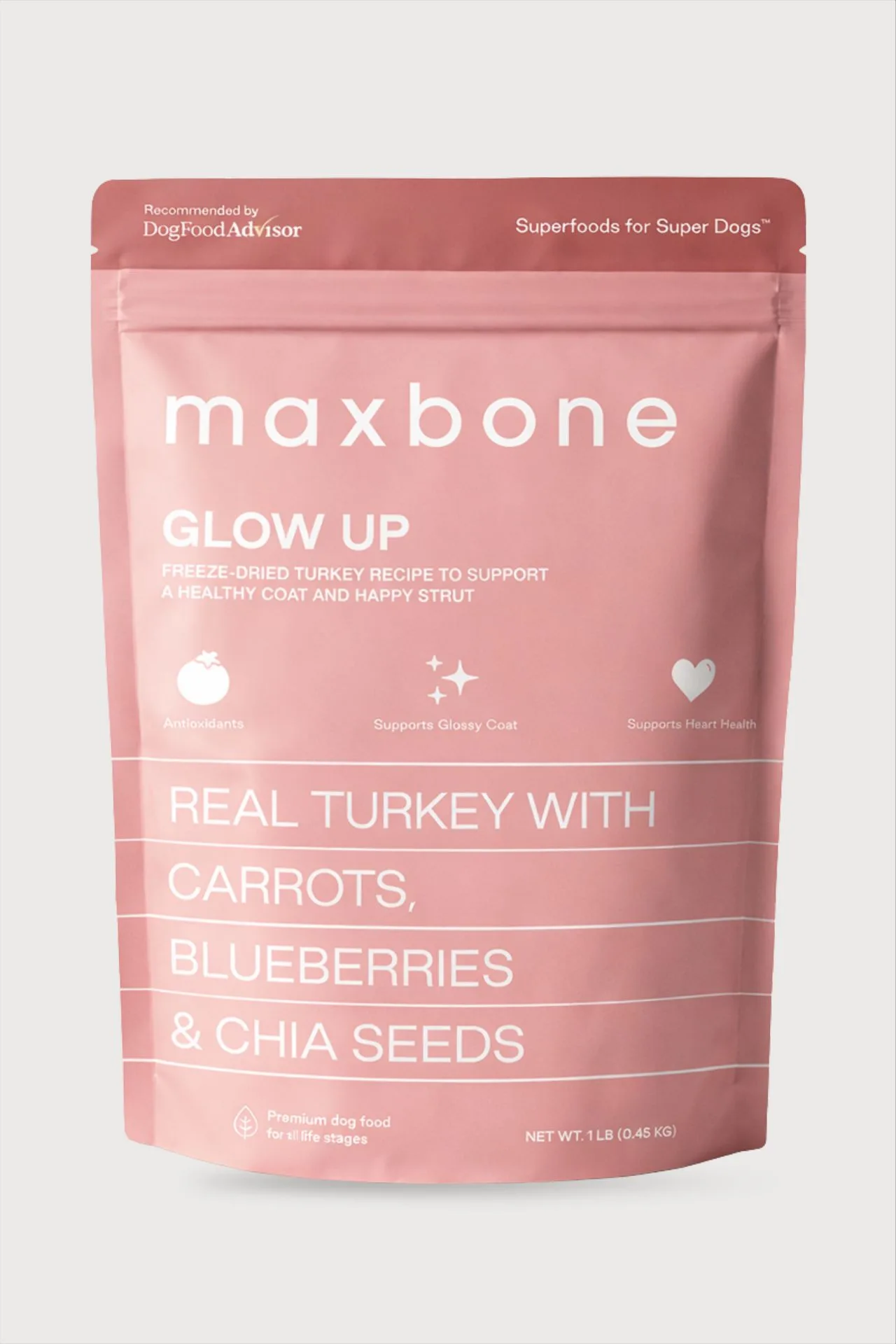
Choosing between freeze-dried raw and air-dried dog food doesn't have to be overwhelming. Both offer exceptional nutrition compared to standard kibble, and the right pick depends on your dog's preferences, your budget, and your daily routine. For a convenient, nutrient-packed option that's ready to serve, consider trying the air-dried formulas available at Maxbone—your pup will thank you for the upgrade.