Choosing the right dog food format can feel overwhelming with so many options on the market. Fresh, frozen, and shelf-stable dog food each offer unique benefits, from convenience to nutritional density. Understanding the differences helps you make an informed decision that supports your dog's health and fits your lifestyle.
In this comprehensive comparison, we break down the key factors: ingredient quality, processing methods, shelf life, cost, and palatability. Whether you're a busy pet parent or a nutrition-focused enthusiast, you'll find the perfect match for your pup.
What Is Fresh Dog Food?
Fresh dog food is minimally processed and typically refrigerated or frozen to preserve nutrients. It often contains whole ingredients like meat, vegetables, and grains, cooked gently to retain vitamins and enzymes. Brands like Open Farm offer fresh options such as the Goodbowl Harvest Chicken Freshly Crafted Roll for Dogs, which is made with humanely raised chicken and organic vegetables.
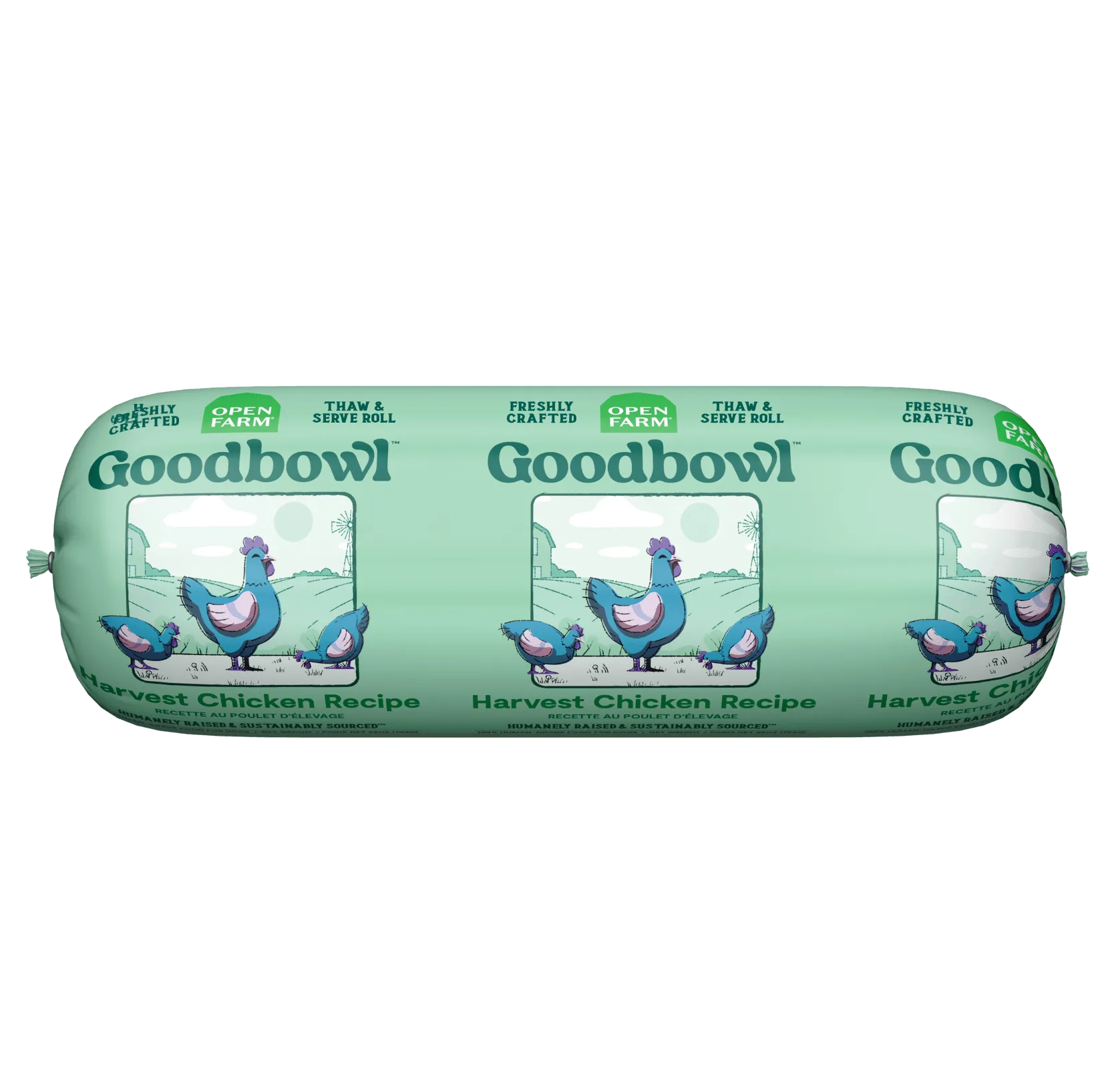
Goodbowl Harvest Chicken Freshly Crafted Roll for Dogs
The main advantage of fresh food is high digestibility and moisture content, which supports hydration and kidney health. However, it requires refrigeration and has a shorter shelf life, usually 5–7 days after opening. It's ideal for dogs with sensitive stomachs or picky eaters who thrive on real-food textures.
- Tip: Transition slowly over 7–10 days when switching to fresh food to avoid digestive upset.
What Is Frozen Dog Food?
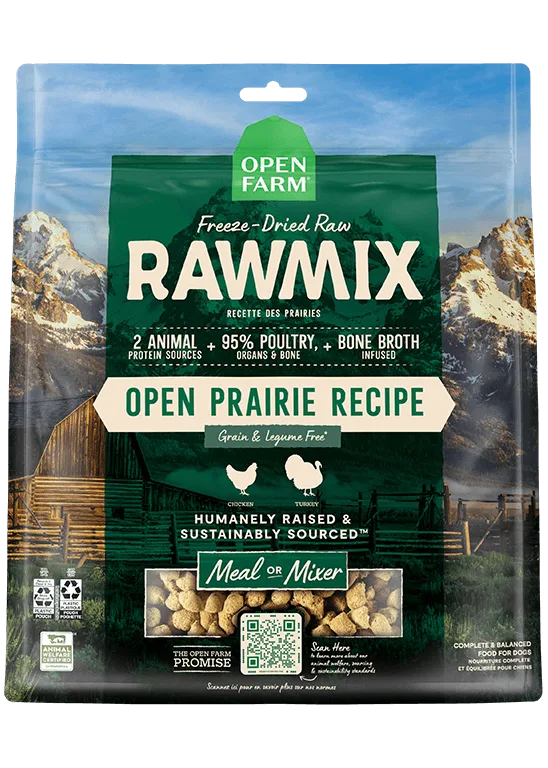
Frozen dog food is similar to fresh but is stored at freezing temperatures to extend shelf life without preservatives. It includes raw or gently cooked formulas that lock in nutrients. Open Farm's RawMix Plus Bundle for Dogs combines freeze-dried raw with high-quality kibble, offering the benefits of raw feeding with added convenience.
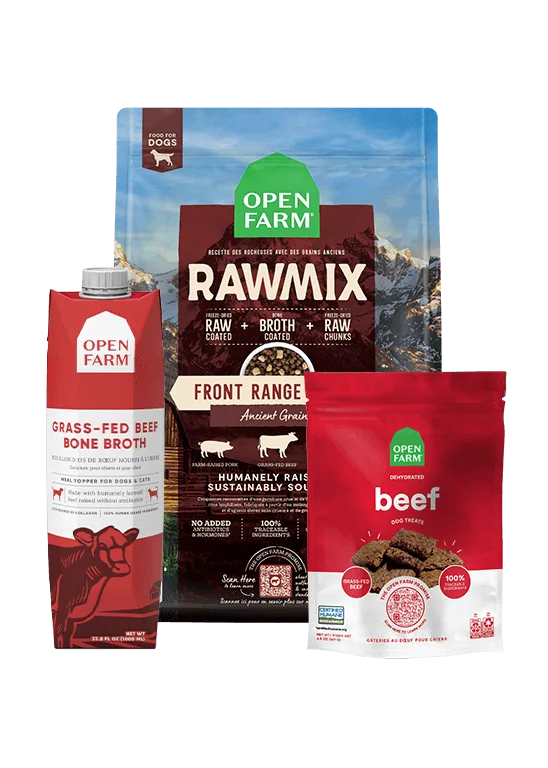
RawMix Plus Bundle for Dogs
Frozen food is excellent for pet parents who want the nutritional integrity of raw diets without daily trips to the store. It must be thawed before serving, which requires planning. Many dogs love the taste and texture, and it can improve coat condition, energy levels, and dental health.
- Tip: Thaw frozen food in the refrigerator overnight to maintain safety and nutrient quality.
What Is Shelf-Stable Dog Food?
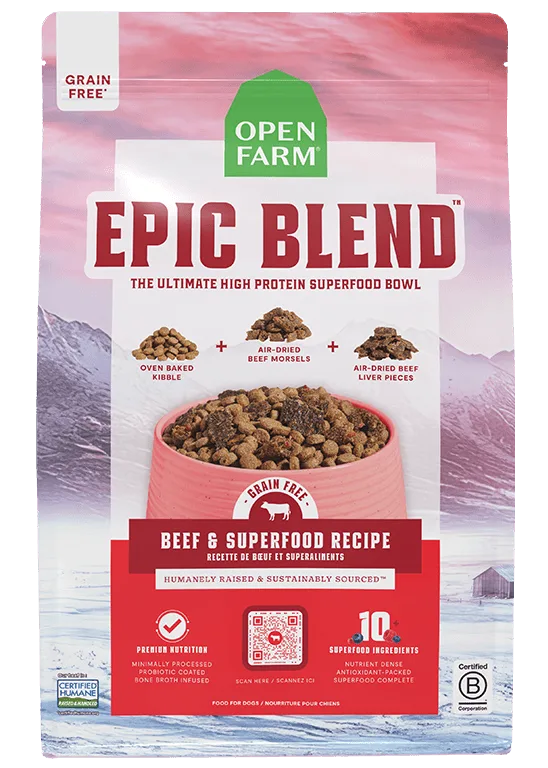
Shelf-stable dog food includes dry kibble, canned wet food, and freeze-dried or dehydrated options that don't require refrigeration until opened. It's the most convenient choice for travel, storage, and portion control. Open Farm's Epic Blend Chicken & Superfood Dry Dog Food is a shelf-stable option packed with nutrient-dense superfoods like pumpkin and kale.
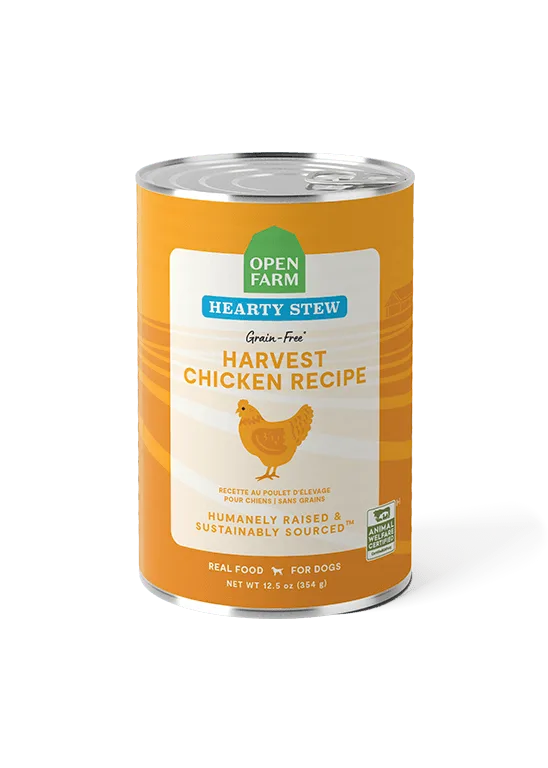
Dry kibble is cost-effective and helps reduce tartar buildup, while canned food offers high moisture for hydration. Freeze-dried raw options combine convenience with raw nutrition. Shelf-stable food has a long shelf life, making it ideal for bulk buying and emergency preparedness.
- Tip: Store dry kibble in an airtight container in a cool, dry place to preserve freshness and prevent spoilage.
Key Comparison: Fresh vs. Frozen vs. Shelf-Stable
To help you decide, here's a side-by-side comparison of the three formats across important factors:
When comparing nutrient retention, fresh and frozen foods typically retain more natural vitamins and enzymes because they are minimally processed. Shelf-stable foods often undergo higher heat or pressure treatments, which can degrade some nutrients, though many brands add synthetic vitamins to compensate.
Convenience is a major differentiator. Shelf-stable food wins for ease of storage and travel, while fresh and frozen require refrigeration and planning. Cost also varies: shelf-stable is generally the most affordable per serving, while fresh and frozen are premium options. Palatability tends to be highest with fresh and frozen, as dogs often prefer the taste and texture of minimally processed ingredients.
How to Choose the Right Format for Your Dog
Consider your dog's age, health, and preferences. Puppies and active dogs may benefit from the higher protein and moisture in fresh or frozen food. Senior dogs or those with dental issues might prefer soft fresh or canned options. For picky eaters, variety packs like the Goodbowl Variety Pack for Dogs offer multiple flavors and textures to keep mealtime exciting.
Your lifestyle matters too. If you travel frequently or have limited fridge space, shelf-stable options are practical. If you enjoy meal prep and want to prioritize whole-food nutrition, fresh or frozen formats are worth the extra effort. Always consult your veterinarian before making a major diet change.
- Tip: Rotate between formats occasionally to provide nutritional diversity and prevent food boredom.
The Role of Supplements in Any Diet
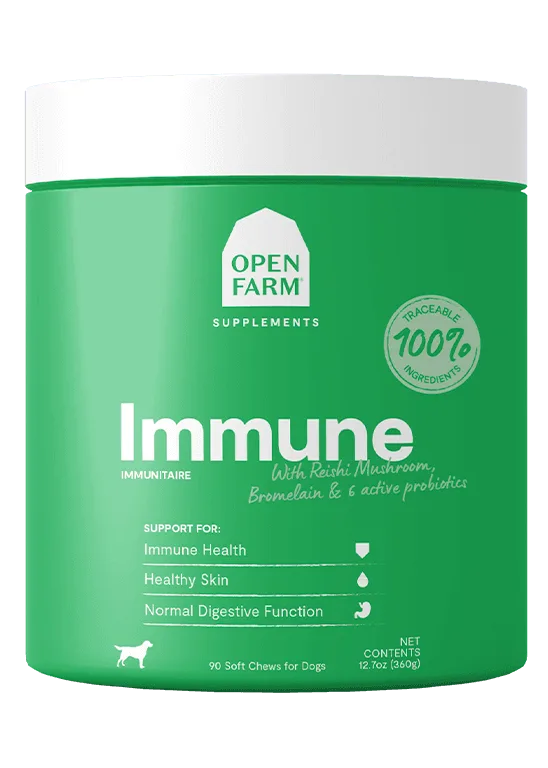
Regardless of the food format you choose, supplements can fill nutritional gaps. For example, the Multi+ Supplement Chews for Dogs provide a blend of probiotics, omega-3s, and joint support to complement any diet. Adding a supplement can help ensure your dog gets balanced nutrition, especially when feeding shelf-stable food that may lack some natural enzymes.
Always introduce supplements gradually and follow dosage instructions. Pairing a high-quality base food with targeted supplements creates a complete and personalized nutrition plan for your pup.
Ultimately, the best dog food format depends on your dog's unique needs and your daily routine. Fresh, frozen, and shelf-stable options each have distinct advantages, and many pet parents find success by mixing formats. Explore Open Farm's range of fresh, frozen, and shelf-stable recipes to discover what your pup loves most.