Two fritz-kola classics, two different layering jobs
The fritz-kola hoodie 'classic' mit stick and the fritz-kola 'classic' shirt share a logo language, but they solve different problems. The hoodie is a pullover layer made from pure organic cotton, while the shirt is a lighter piece you can wear on its own or under something else. If you are deciding between them—or planning to wear both—the useful question is not which one is better, but which one earns a place in your rotation.
This guide sticks to what the catalog confirms: the hoodie's material, its unisex cut, the available sizes, and the two model measurements supplied for fit reference. Where the catalog is silent—such as exact fabric weight or care instructions—I will flag that as a limitation rather than guess.
What the catalog confirms about the hoodie
-
fritz-kola hoodie 'classic' mit stick: The hoodie is unisex and made from pure organic cotton. Unisex cut means the sizing is not split into men's and women's charts, so you can use the model references below as your main guide.
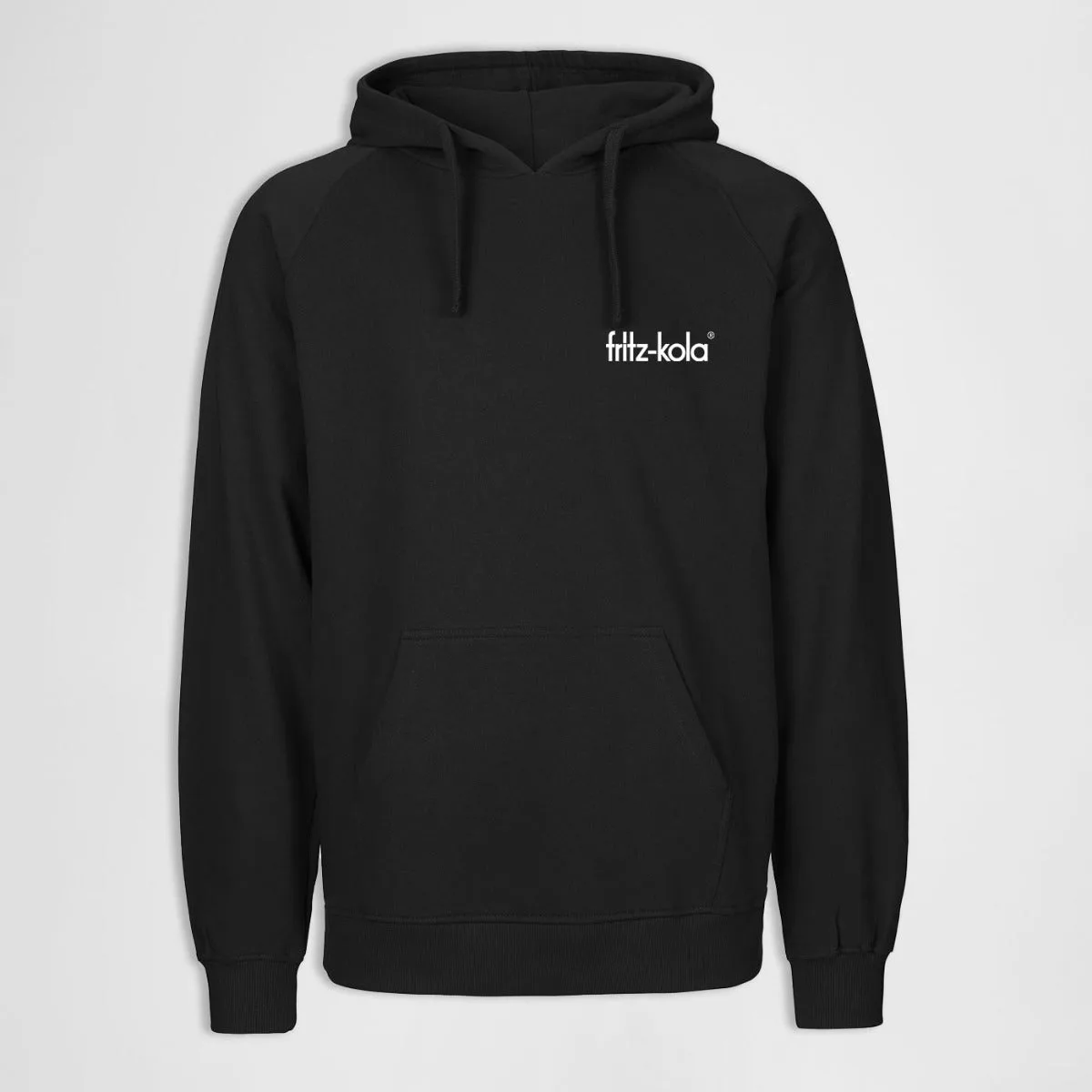
fritz-kola hoodie 'classic' mit stick
-
fritz-kola hoodie 'classic' mit stick: Sizes available: S, M, L, XL, XXL, XXXL, and 4XL. The range extends well beyond standard sizes, which matters if you are layering over other garments or prefer a roomier fit.
-
fritz-kola hoodie 'classic' mit stick: Male model Simon is 1.73 m tall and wears size L; female model Mümmi is 1.63 m tall and wears size M. These are the only fit references supplied. Use them to estimate how the hoodie drapes on a similar height, but remember that build and personal preference also affect fit.
-
fritz-kola hoodie 'classic' mit stick: The catalog price is USD 33.93, compared with a catalog comparison price of USD 49.90. Price is part of the buying decision, but treat it as catalog information rather than a live store promise.
How to use the model measurements for sizing
The hoodie's fit reference is unusually specific: Simon at 1.73 m wears L, and Mümmi at 1.63 m wears M. That gives you two anchor points. If you are close to Simon's height and want a standard fit, L is the catalog's own example. If you are closer to Mümmi's height, M is the reference. Neither model's build is described, so these are starting points, not guarantees.
For layering, think about what will go underneath. A hoodie worn over a shirt needs a little room through the body and shoulders. If you are between sizes and plan to layer, the catalog's size range up to 4XL gives you room to size up—but the catalog does not supply garment measurements, so you cannot calculate the exact difference. That is a real limitation: use the model references and your own experience with unisex organic cotton hoodies as your guide.
Hoodie vs shirt: which layer does what
The catalog does not provide a fabric weight or thickness for either garment, so I cannot tell you which is objectively warmer. What it does confirm is that the hoodie is a pullover made of organic cotton—a structure that naturally lends itself to layering. The shirt, by contrast, is the lighter piece in the pair.
- fritz-kola hoodie 'classic' mit stick: Unisex, pure organic cotton, sizes S–4XL. Best used as an outer or mid layer when you want the stick logo visible and a bit of warmth. The catalog's 'Betonschuhe' joke is a hint that this is a statement piece, not a performance shell.
- fritz-kola 'classic' shirt: A lighter shirt that works as a base layer under the hoodie or on its own in milder weather. The catalog does not list its material or care details here, so check the shirt's own product page before relying on it for warmth or washing.
Building a shirt-and-hoodie combination that works
A shirt under a hoodie can look intentional or bulky depending on how you handle the collar and hem. These steps use only what the catalog supports—no invented styling rules.
- Start with the shirt as your base: Choose the shirt in your usual size. The catalog does not give shirt measurements, so use its own sizing guidance rather than guessing from the hoodie.
- Pick the hoodie size for the layer you want: If you want the hoodie to sit over the shirt without pulling, use the model references: L for a Simon-like 1.73 m frame, M for a Mümmi-like 1.63 m frame. Size up if you are between sizes and plan to layer.
- Let the hoodie be the outer statement: The 'classic' hoodie's stick logo is the focal point. Keep the shirt simple so the logo reads clearly, and avoid adding another loud layer on top.
- Check the hem and cuffs: The catalog does not describe ribbing or hem length, so try the combination on before committing. If the shirt hem hangs far below the hoodie, that is a fit choice—not a defect.
Cold-weather use: what the catalog does and does not tell you
The hoodie is pure organic cotton, which is a comfortable natural fiber, but the catalog does not state a fabric weight or thermal rating. That means you should not treat it as a guaranteed cold-weather layer on its own. For genuinely cold days, the sensible approach is to use it as a mid layer under a jacket, with the shirt underneath if you want another thin layer.
The catalog also does not include care instructions for the hoodie. It does not confirm whether the stick logo is embroidered, printed, or applied another way, so I cannot give you logo-specific washing advice. Check the care label on the garment when it arrives, and follow that over any general advice.
The honest trade-off before you buy
The hoodie's strengths are clear from the catalog: unisex sizing across S–4XL, pure organic cotton, and a price that sits below its comparison price. The trade-offs are equally clear: the catalog gives you only two model height references and no garment measurements, fabric weight, or care details. If you need precise sizing or a guaranteed warm layer, that missing information is a genuine limitation—not something to paper over.
If you already own the 'classic' shirt and want a matching outer layer, the hoodie is the natural companion. If you are choosing one piece for mild weather, the shirt is the lighter, more versatile option. Either way, use the model references as your starting point and treat the catalog's silence on care and weight as a reason to check the physical label, not as a reason to assume the worst.