What the iron bottom actually does
On a front basket, the base plate is the part that carries the load. A steel bottom spreads weight across the basket instead of letting it concentrate in one spot, and it keeps the sides from flexing outward when you ride over rough pavement. That is why the material of the base matters more than the look of the basket.
The Jasion Ebike Front Basket Iron Bottom is built around this idea. The catalog describes a rack-mounted front basket with steel encasing and hardware for extra stability, and notes that mounting over the front wheels creates a balanced payload. In practice, that means the iron bottom is doing structural work, not just finishing work.
What the Jasion basket gives you
-
Jasion Ebike Front Basket Iron Bottom: Rack-mounted front basket with steel encasing and hardware for extra stability. The steel base and hardware are the parts that resist sag and flex, so they are the first things to inspect as the basket ages.
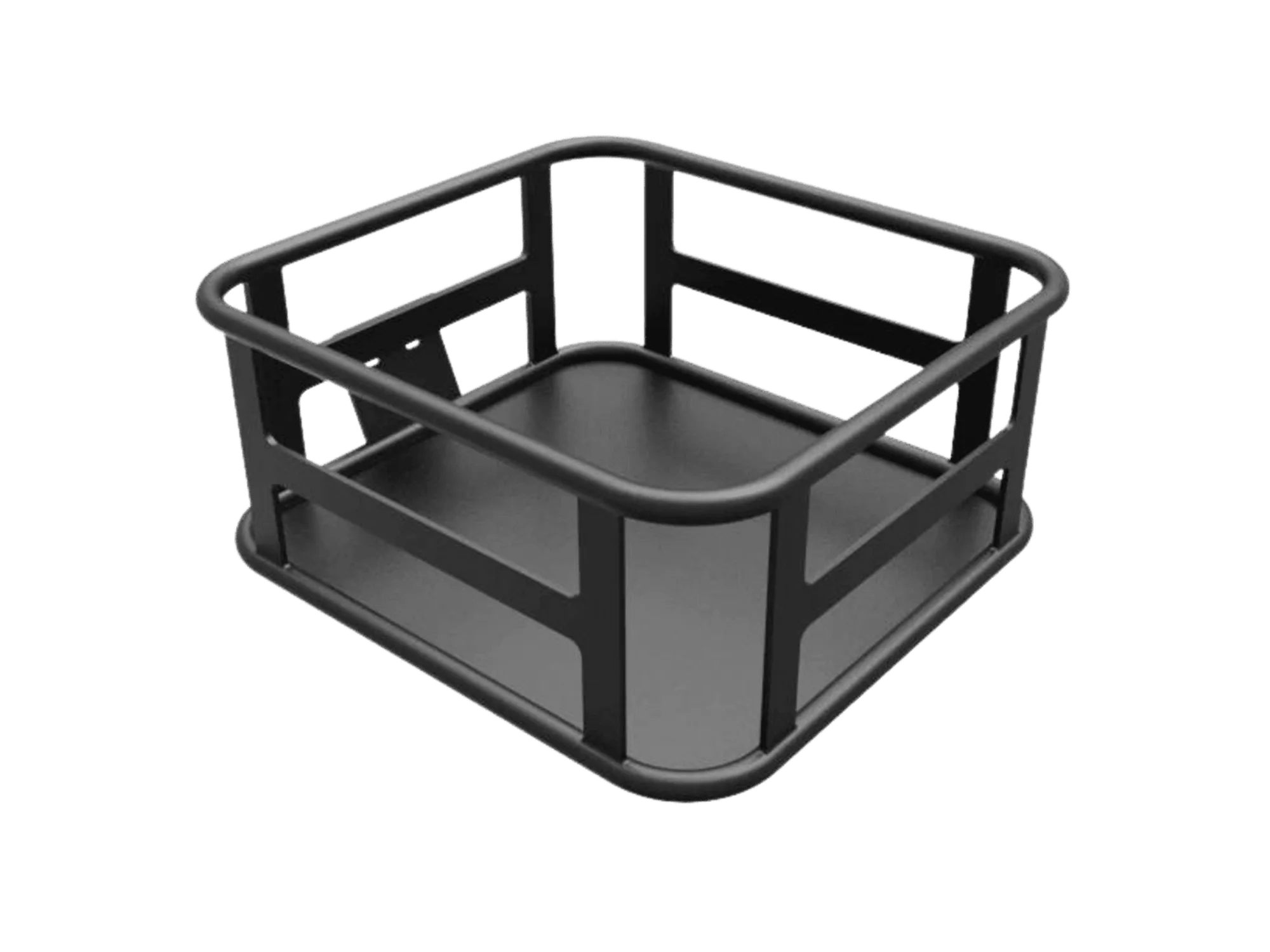
Jasion Ebike Front Basket Iron Bottom
-
Jasion Ebike Front Basket Iron Bottom: Mounted over the front wheels for balanced payload. A basket that sits over the front wheel keeps weight centered, which reduces the leverage that can bend a weak base over time.
-
Jasion Ebike Front Basket Iron Bottom: Attaches with a few pieces of hardware included in the purchase. If you are replacing a base or reinstalling the basket, the included hardware means you are not hunting for separate mounting pieces.
Signs the base plate is the problem
Before you blame the whole basket, check whether the base is the part that has actually changed. These are the observations that point to the iron bottom rather than to the rack or the mounting hardware.
- The bottom sags in the middle: A base that dips under load, even when the basket is empty, suggests the plate has lost its shape. Compare it to how the basket sat when new.
- The sides bow outward when loaded: If the basket walls spread apart as you add weight, the base is no longer holding the lower edge square.
- The basket rocks or rattles at the mount: Loose hardware can mimic a weak base. Tighten and inspect the included mounting pieces first, then recheck whether the bottom still flexes.
- The base surface is visibly deformed or cracked: Physical distortion of the steel bottom is the clearest signal that the base, not the rack, needs attention.
Why a sagging basket is worth fixing
A sagging base changes how the basket carries weight. Instead of the load sitting flat, it pools toward the lowest point, which puts uneven stress on the mounting hardware and can make the basket feel unstable over bumps. Because the Jasion basket is designed to mount over the front wheel for balance, a deformed bottom works against that balance.
This is also why a basket base replacement is often more sensible than replacing the entire basket. If the rack, the sides and the hardware are sound, the base is the part that has failed. The catalog lists the basket as a single product with a standard option, so check what is actually worn before assuming you need a whole new unit.
Repair the base or replace the basket?
Use the condition of the other parts to decide. The iron bottom is one component; the rest of the basket has its own wear pattern.
- Replace the base only: Choose this when the rack mount is solid, the sides are straight, and the included hardware is intact. The failure is isolated to the bottom plate.
- Replace the whole basket: Choose this when the sides are bent, the mounting points are damaged, or the hardware is missing. At that point the base is not the only weak part.
- Fix the mounting first: If the basket only rattles but the bottom looks flat, the issue may be loose hardware rather than the base. Recheck the mount before buying anything.
What the catalog does not tell you
The supplied product record lists a size of 324*303*146(inch) and describes the steel construction, but it does not include a separate base-plate-only listing, a replacement schedule, or a load rating. That means you should not expect the catalog to tell you exactly when to replace the bottom. Instead, use the physical checks above and treat the size figure as the basket's overall dimension, not as a guaranteed fit for every bike or rack.
It is also worth being precise about what the basket is for. The catalog describes it as a practical carry-along basket with steel encasing and hardware for stability. It does not claim a specific weight capacity, so avoid treating it as a heavy-cargo solution until you have confirmed that with the manufacturer.
A short inspection routine before you order parts
Run this check when the basket starts to feel different, or once a season if you carry loads regularly.
- Empty the basket and look at the bottom line: Sight along the base from the side. A flat base should look flat; a sagging one will show a dip.
- Press down gently in the center: A base that flexes easily under light hand pressure is a candidate for replacement.
- Check the mounting hardware: Confirm the included pieces are present and snug. Loose hardware is a separate problem from a weak base.
- Compare the sides to the base: If the sides are straight but the bottom is deformed, the base is the part to address. If both are distorted, plan for a full basket replacement.
When to stop diagnosing and replace
If the base is visibly bent, cracks at a bend, or the basket no longer sits level even after you have checked the mount, stop trying to correct it by tightening things. At that point the iron bottom has done its job and the basket needs attention. The Jasion Ebike Front Basket Iron Bottom is the reference point for what a steel-based front basket should look like, so compare your worn unit against those features: steel encasing, included hardware, and a rack-mounted design that sits over the front wheel.
One honest limitation: the catalog does not publish a replacement interval or a separate base-plate part number. If you need a base-only replacement, confirm availability with the seller rather than assuming the basket is sold in pieces.