Quick answer
Yes, you need both a front and rear bike light for safe riding at any time of day. A front light lets you see the road and be seen from ahead, while a rear light alerts drivers and cyclists behind you.
Why both lights matter for safety
A front light alone leaves you invisible from behind, especially in traffic or low light. A rear light alone doesn't help you see obstacles ahead. Together, they create a 360-degree visibility bubble that reduces the chance of collisions from either direction.
Many regions legally require a white front light and a red rear light after dark. Even where not mandated, using both is the simplest way to stay visible to all road users.
Trade-offs when choosing a set
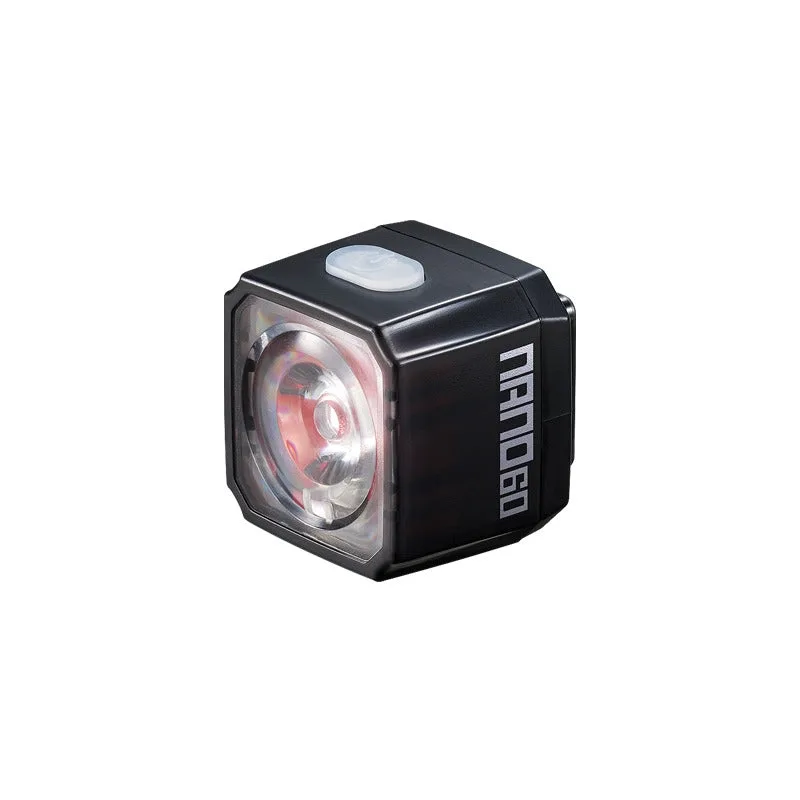
Budget and battery life are the main trade-offs. A high-lumen front light like the Cateye AMPP 2200 costs more but offers long runtime and extreme brightness for dark trails. A compact rear light like the Cateye NANO60 USB-C is affordable and easy to mount, but its small battery may need more frequent charging on long rides.
If you ride mainly in the city, a moderate front light (e.g., Blackburn Dayblazer 550) paired with a reliable rear light balances cost and visibility. For night touring or off-road, invest in a powerful front light and a rear light with a long-lasting flash mode.
Frequently asked questions about front vs rear bike lights
Do I really need both a front and rear light?
Yes. A front light helps you see the path and alerts traffic ahead. A rear light makes you visible to vehicles and cyclists approaching from behind. Riding with only one leaves a blind spot that increases accident risk.
Can I use a rear light as a front light?
No. Rear lights are designed with red lenses and wide-angle optics for rear visibility. They are not bright enough to illuminate the road ahead and may be illegal. Always use a white front light and a red rear light.
What lumens do I need for a front light?
For city riding, 200-600 lumens is usually enough. For unlit paths or trails, look for 800 lumens or more. The Blackburn Dayblazer 550 (550 lumens) suits urban commutes, while the Cateye AMPP 2200 (2200 lumens) handles dark roads and trails. Match your front light's brightness to your typical riding environment.
How bright should a rear light be?
Rear lights are measured in lumens but visibility depends more on lens design and flash patterns. A rear light with 20-60 lumens and good daytime visibility technology, like the Cateye NANO60's OptiCube lens, is effective for most conditions.
Do I need lights during the day?
Yes. Daytime running modes on front and rear lights significantly increase your visibility to drivers, especially in overcast or shaded conditions. Many modern lights, including the Blackburn Dayblazer 550, include a dedicated daytime flash mode. Use lights even in daylight for an extra safety margin.
Product highlights for your set
-
Blackburn Dayblazer 550 Front Light: The Blackburn Dayblazer 550 Front Light offers 550 lumens with a USB-C plug and a Blitz Daytime Running Mode for high visibility. This is a strong all-rounder for commuters who need to see and be seen without spending a lot.
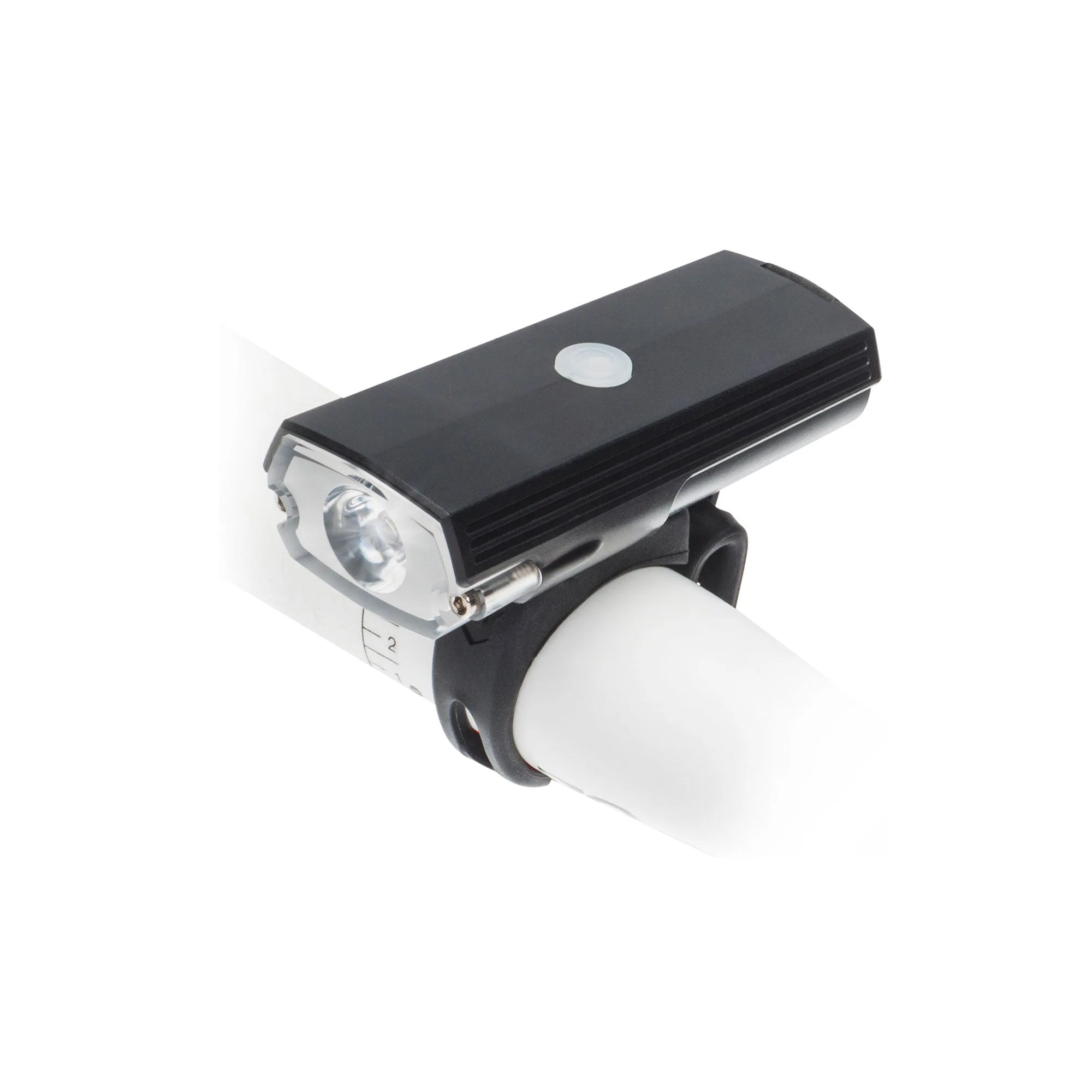
Blackburn Dayblazer 550 Front Light
-
Cateye AMPP 2200 Front Light: The Cateye AMPP 2200 Front Light features a 2200-lumen ultra-boost mode, aluminum construction, and an Enduro mode that runs up to 12 hours. Choose this if you ride in very dark conditions or need maximum brightness and durability for long adventures.
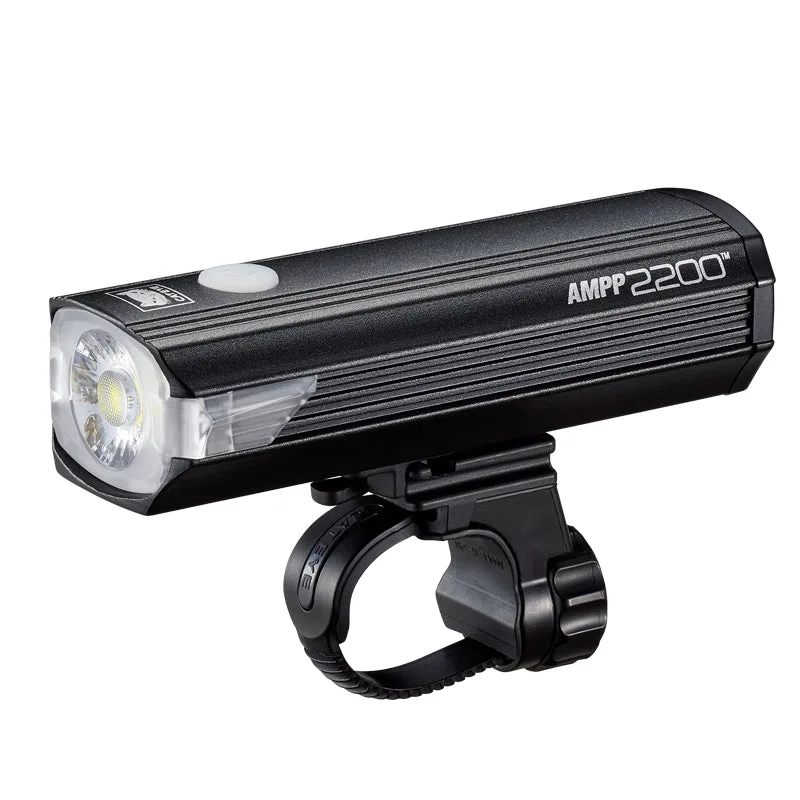
Cateye AMPP 2200 Front Light
-
Cateye NANO60 USB-C Rear Light: The Cateye NANO60 USB-C Rear Light uses OptiCube lens technology for daytime visibility and fits aero seat posts with the included bracket. Its compact size and universal mount compatibility make it an easy, low-profile rear light for any bike.