For decades, cereal has been the default quick breakfast poured into a bowl with milk. It’s fast, shelf-stable, and requires almost no effort. But as our mornings get busier and our nutritional standards rise, many are asking: does cereal really deliver the protein, satiety, and energy we need to power through the day? Enter frozen breakfast—a category that has evolved far beyond frozen waffles and pancakes. Today, options like Jimmy Dean’s hearty sandwiches, burritos, and breakfast bowls offer a balanced, protein-rich alternative that can be ready in minutes. In this article, we’ll compare frozen breakfast vs cereal across key factors: nutrition, convenience, taste, and cost. By the end, you’ll know which option deserves a spot in your morning routine.
We’ll also look at specific products from Jimmy Dean that make frozen breakfast a standout choice for busy professionals, families, and anyone seeking a more satisfying start to the day. Whether you’re a cereal loyalist or a frozen food skeptic, this breakfast comparison nutrition guide will help you make an informed decision.
Nutritional Showdown: Protein, Sugar, and Satiety
When comparing frozen breakfast vs cereal, protein content is often the deciding factor. Most cereals, even those labeled as healthy, contain 2–5 grams of protein per serving—and that’s if you stick to the recommended portion size, which is usually much smaller than what people actually pour. Pair that with milk, and you’re still looking at only 8–12 grams of protein. Meanwhile, a single Jimmy Dean Sausage, Egg and Cheese Blueberry Griddle Cake Sandwiches packs around 16 grams of protein, thanks to real eggs, sausage, and cheese. That extra protein helps keep you full until lunch, reducing mid-morning cravings and snacking.
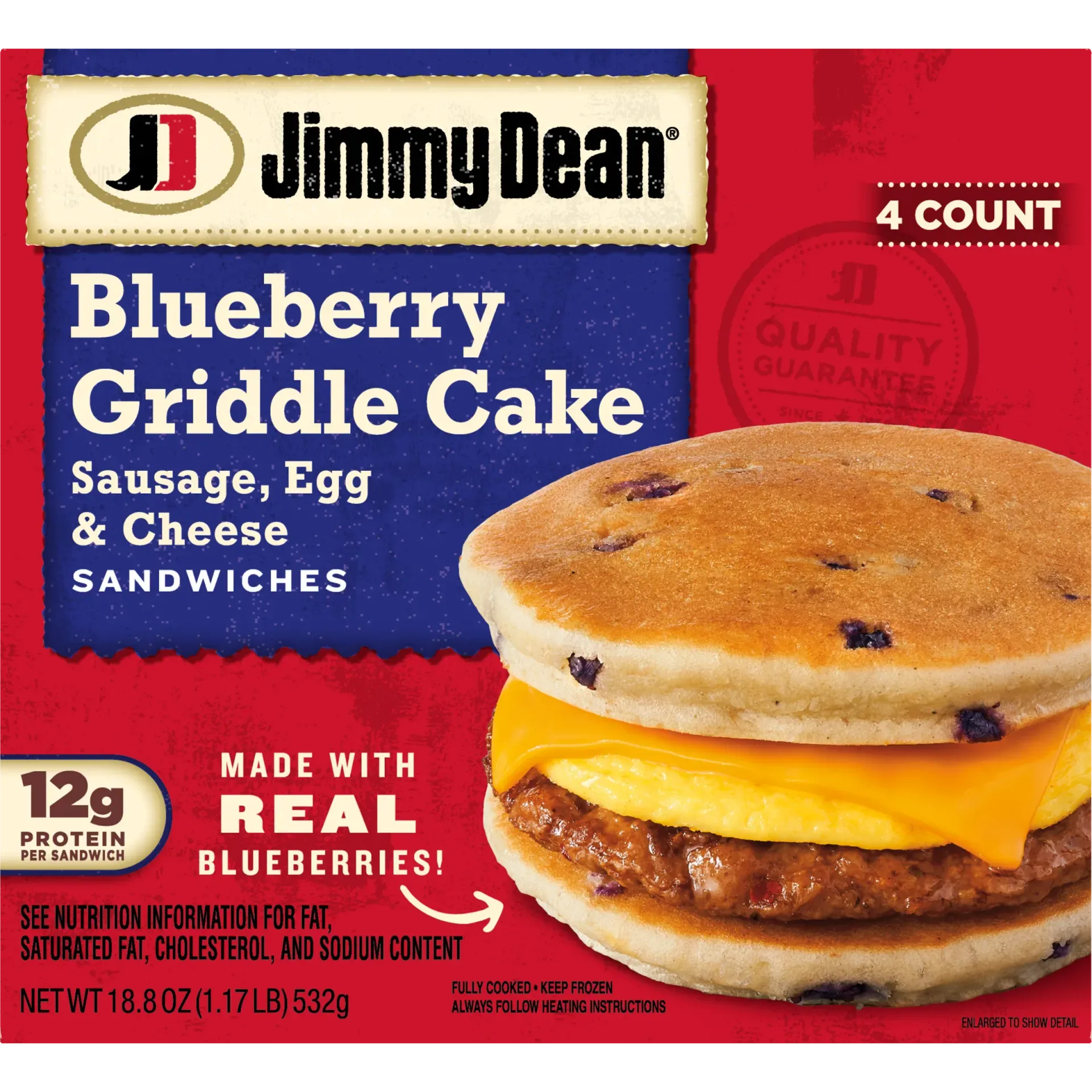
Sausage, Egg and Cheese Blueberry Griddle Cake Sandwiches
Sugar is another critical factor. Many popular cereals contain 10–15 grams of added sugar per serving, sometimes more. Frozen breakfast sandwiches and bowls, on the other hand, often contain less than 10 grams of total sugar, with most of it coming naturally from ingredients like cheese or milk. For example, the Jimmy Dean Meat Lovers Breakfast Burritos deliver a savory, low-sugar option with a robust protein and fat profile that stabilizes blood sugar. When you consider fiber, some cereals do have an edge, but pairing a frozen breakfast with a piece of fruit or a handful of nuts easily closes that gap. Overall, the breakfast comparison nutrition data tilts in favor of frozen options for those seeking sustained energy.
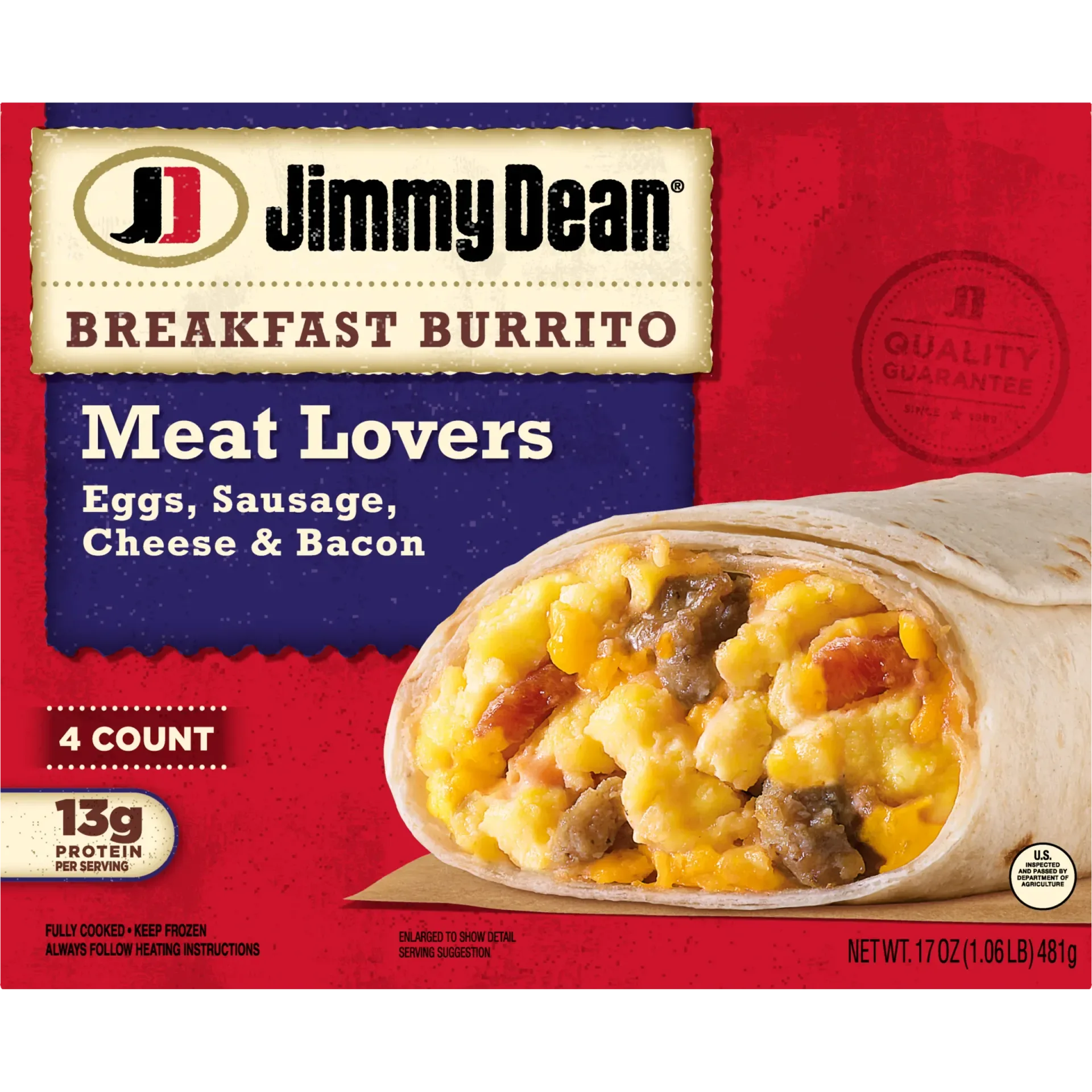
Meat Lovers Breakfast Burritos
- Tip: Look for frozen breakfast products with at least 15g protein and under 10g sugar for optimal satiety.
Convenience: From Fridge to Table in Minutes
Cereal is undeniably fast: pour, add milk, eat. But frozen breakfast has closed the convenience gap dramatically. Most Jimmy Dean products are fully cooked and require only 1–3 minutes in the microwave or 8–10 minutes in the oven. That’s barely longer than it takes to pour a bowl of cereal and add milk. Plus, frozen breakfast eliminates the need for milk—a common pantry item that can run out unexpectedly. With frozen, you always have a complete meal ready to go, no extra ingredients required.
Another convenience advantage: frozen breakfast is portable. Cereal is messy to eat on the go, but a sandwich or breakfast bowl can be wrapped in a napkin and eaten in the car or at your desk. The Jimmy Dean Sausage, Egg and Cheese Maple Griddle Cake Sandwiches are a perfect example—they’re designed to be handheld and travel-friendly. For those who meal prep, frozen breakfast also stores easily in the freezer for weeks, unlike cereal boxes that can go stale. In the frozen breakfast vs cereal debate, convenience is now nearly a tie, with frozen pulling ahead for portability and completeness.
- Tip: Keep a few Jimmy Dean sandwiches in your work freezer for a backup breakfast that beats vending machine options.
Taste and Variety: Beyond the Same Old Bowl
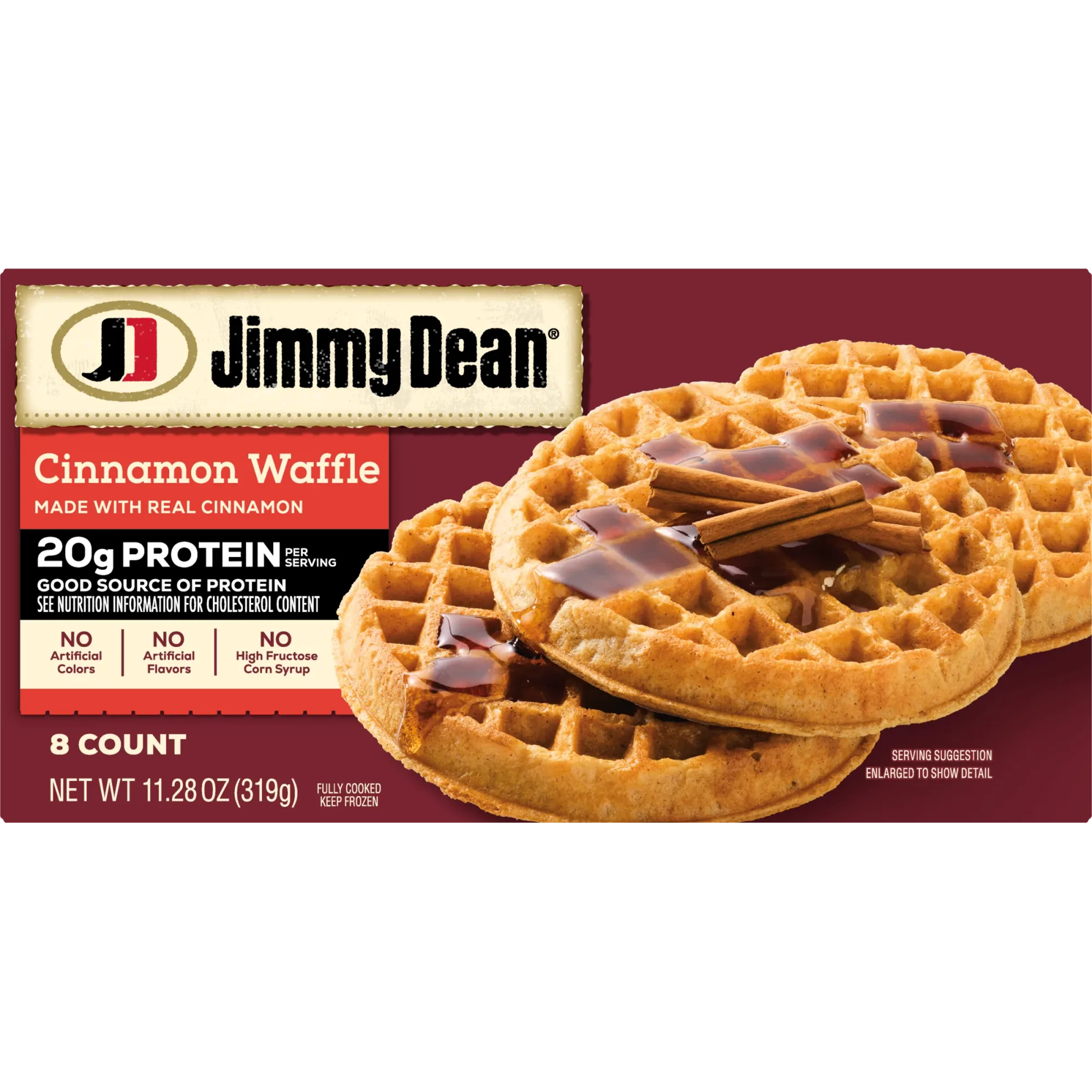
Cereal comes in countless flavors, but let’s be honest—after a while, every bowl tastes similar. Frozen breakfast offers a much wider spectrum of savory and sweet options. From the smoky, spicy kick of Jimmy Dean Fully Cooked Spicy Pork Sausage Patties to the hearty, all-in-one comfort of the Bacon Breakfast Bowl, frozen breakfast delivers real food textures and flavors. You get actual eggs, cheese, meat, and vegetables, not just processed flakes or puffs. The variety extends to dietary needs too: Jimmy Dean’s Delights Turkey Sausage & Veggie Breakfast Wraps offer a lighter, veggie-forward option, while the Blueberry Protein Waffles provide a sweet but protein-packed start.
Taste satisfaction also affects how long you feel full. A bowl of cereal often leaves you hungry an hour later, leading to a mid-morning snack. A frozen breakfast, with its combination of protein, fat, and complex carbs, keeps your appetite in check. For anyone who has experienced the dreaded 10 a.m. energy slump, switching from cereal to a Jimmy Dean breakfast bowl can be a game-changer. The frozen breakfast vs cereal taste test clearly favors the savory, satisfying depth of frozen options.
- Tip: Try alternating sweet and savory frozen breakfasts throughout the week to keep your mornings exciting.
Cost Comparison: Is Frozen Breakfast More Expensive?
At first glance, cereal seems cheaper. A box of cereal costs around $3–5 and provides 8–12 servings, making it roughly $0.30–0.50 per bowl. Frozen breakfast sandwiches or bowls typically cost $2–4 per serving. However, the true cost of cereal includes the milk (about $0.20–0.30 per serving) and the fact that many people eat double the recommended serving size. Plus, cereal’s low satiety often leads to additional snacks, increasing your daily food spending. When you factor in the nutritional value and the fact that one frozen breakfast can replace both a cereal bowl and a mid-morning snack, the price difference narrows significantly.
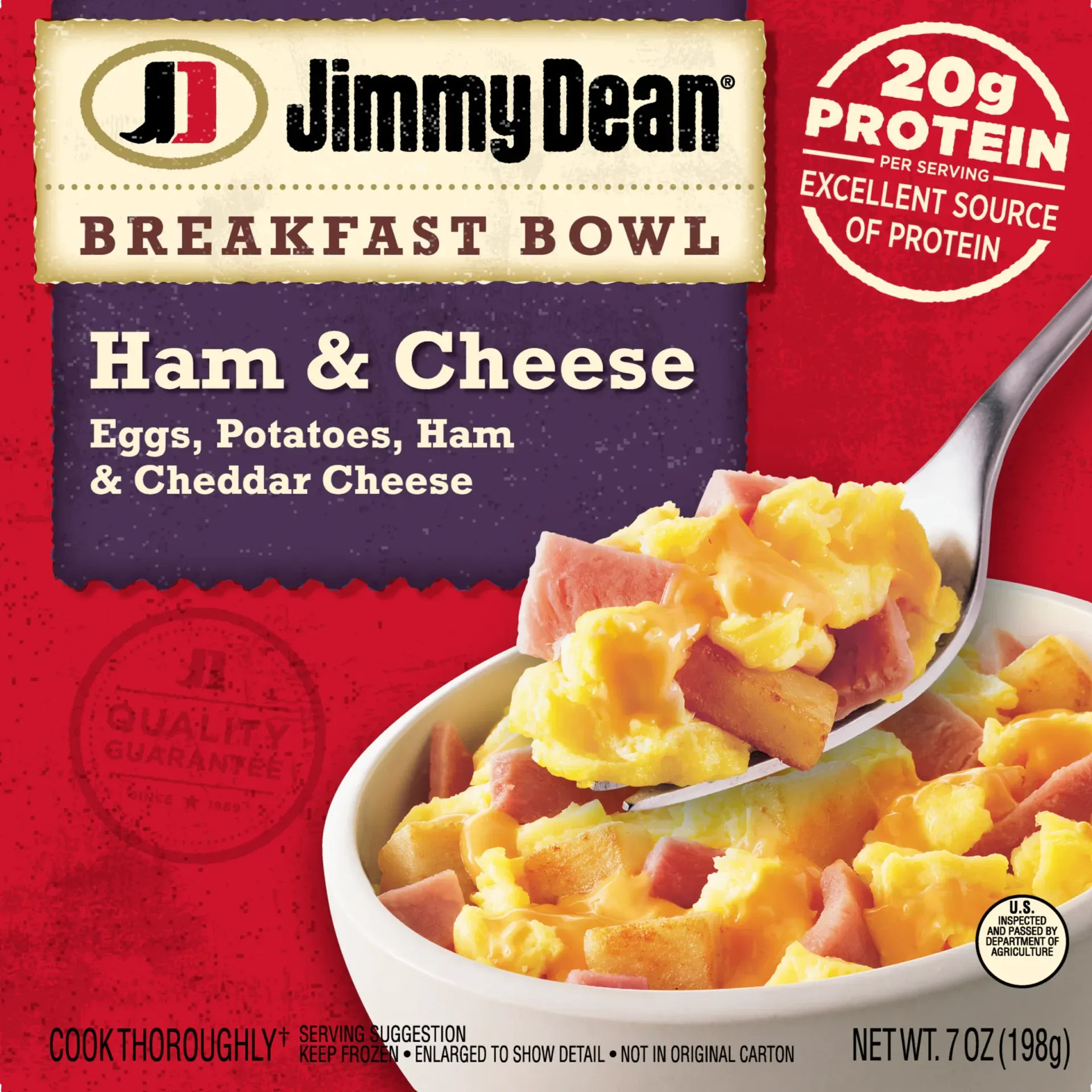
Jimmy Dean products, such as the Sausage Skillets or the Ham & Cheese Breakfast Bowl, offer a complete meal in one package. Buying in bulk or using coupons can bring the per-serving cost down further. For families, frozen breakfast also reduces food waste—no half-eaten cereal boxes going stale, no milk spoiling. In the frozen breakfast vs cereal cost analysis, frozen breakfast offers better value for your nutritional dollar, especially if you prioritize protein and satiety.
- Tip: Stock up on frozen breakfast when it’s on sale; it stores well and saves you from expensive coffee shop breakfasts.
When you weigh nutrition, convenience, taste, and cost, frozen breakfast emerges as the clear winner over cereal for most people. It delivers more protein, less sugar, and longer-lasting energy, all in a format that’s just as quick to prepare. Whether you’re rushing out the door or sitting down for a slow morning, Jimmy Dean’s lineup of sandwiches, burritos, bowls, and waffles offers something for every palate and lifestyle. If you’re ready to upgrade your morning meal, explore the Sausage, Egg and Cheese Blueberry Griddle Cake Sandwiches for a sweet-savory start that cereal simply can’t match.